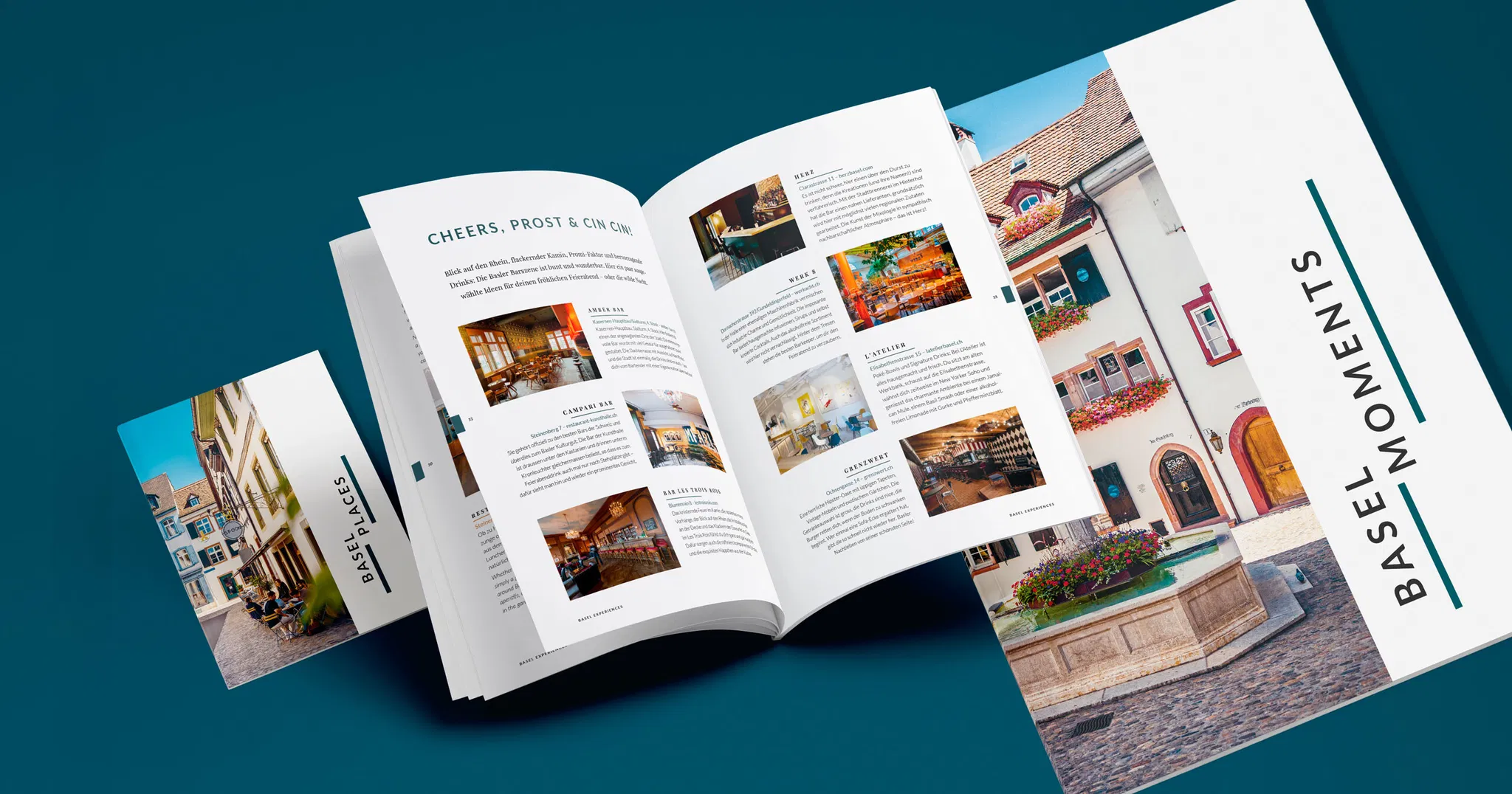
There is no better way to delve into Basel’s history than to pull on a pair of comfortable gym shoes and take a walk through the city. Since 2017, the road name signs of around a thousand streets in Basel, have included short explanations of where the name came from. This required a huge amount of research, in which Basel’s local historian André Salvisberg played a leading role. He is a walking encyclopaedia on everything to do with Basel, and he accompanies my walk through the city with fascinating anecdotes.
The city expands
It was a long road travelled till the city was signposted with street signs bearing not just the names of the roads, but an explanation of them too. Like most medieval cities, Basel was, for a long time, enclosed by a city wall. The network of roads and alleys it protected was typically twisted, narrow, full of bends – like a maze. Although the roadways already had names, they were not official, but rather popular designations bestowed upon them by the general populace. Then, around 1860, when the city was bursting at the seams and its inhabitants, who now numbered around 50,000 were suffering from a shortage of space, intolerable hygienic conditions and the stress of overpopulation, the city council decided to demolish the city walls and expand the perimeter of the city. As part of this process, for the very first time, a commission was established with the purpose of planning the city anew – and with establishing official names for the roads. Nowadays this responsibility falls to the Nomenclature Commission, of which André Salvisberg is a member.
“Every street name can tell a story. Perhaps not always on its own, but in connection with other street names.”
“By the way, the earliest documented road name in Basel is the Eisengasse (Iron Alley)," is the first thing Salvisberg tells me with infectious enthusiasm, right at the start of our tour of the city. The record of its name dates back to the 12th century. Generally speaking, almost all the roads as we know them today have retained their old names. One of the few exceptions is the road now known as General Guisan Street. “It used to be called Militärstrasse (Military Street) a name given during an era of excessive nationalism, around nineteen-hundred, when the army was still thoroughly embedded in the very heart of society.” is how Salvisberg explains it to me. “General Guisan, was commander-in-chief of the army, guided Switzerland through the Second World War and became a national hero, so Military Street was renamed after this worthy new namesake.”
Each road name is a history lesson in itself
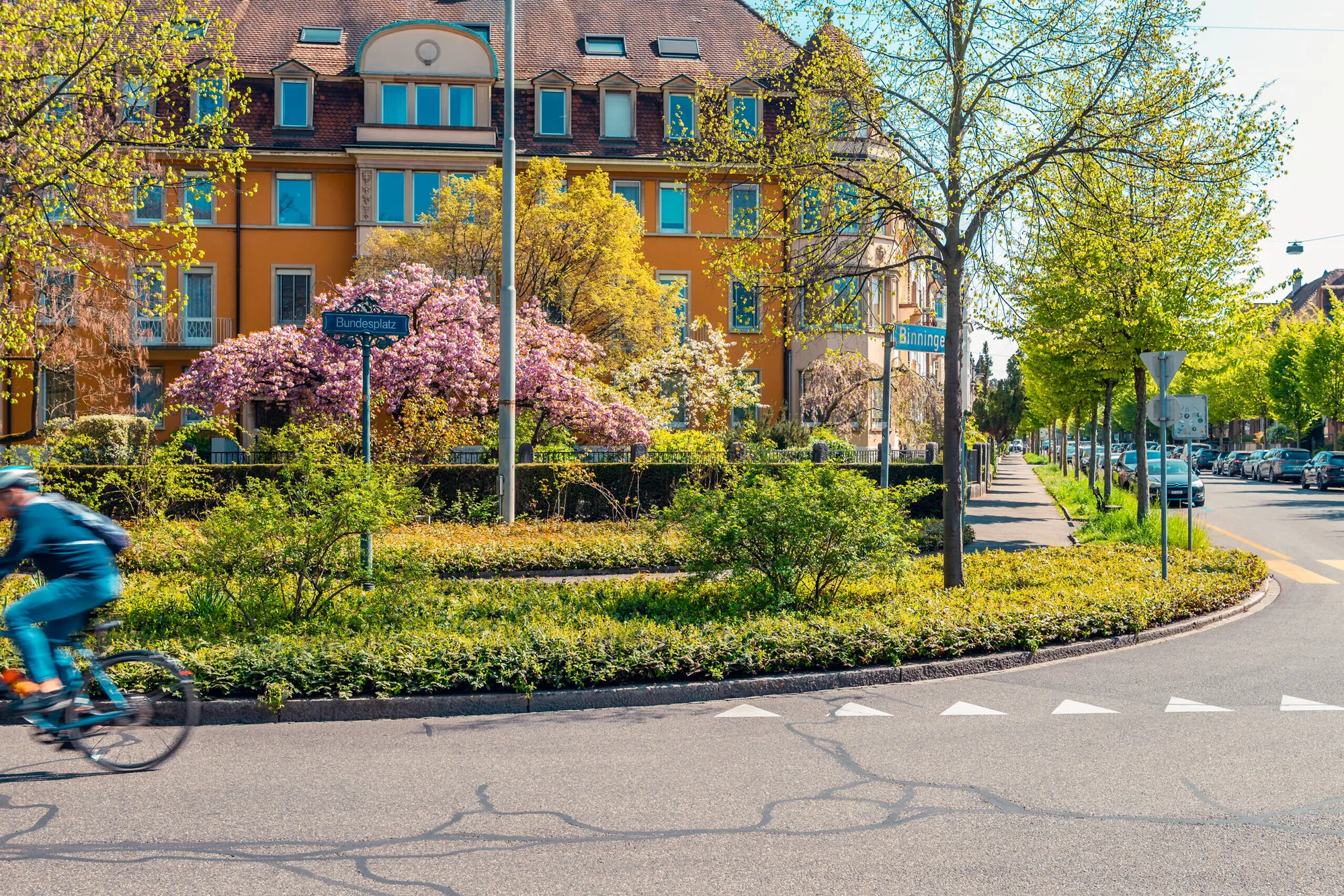
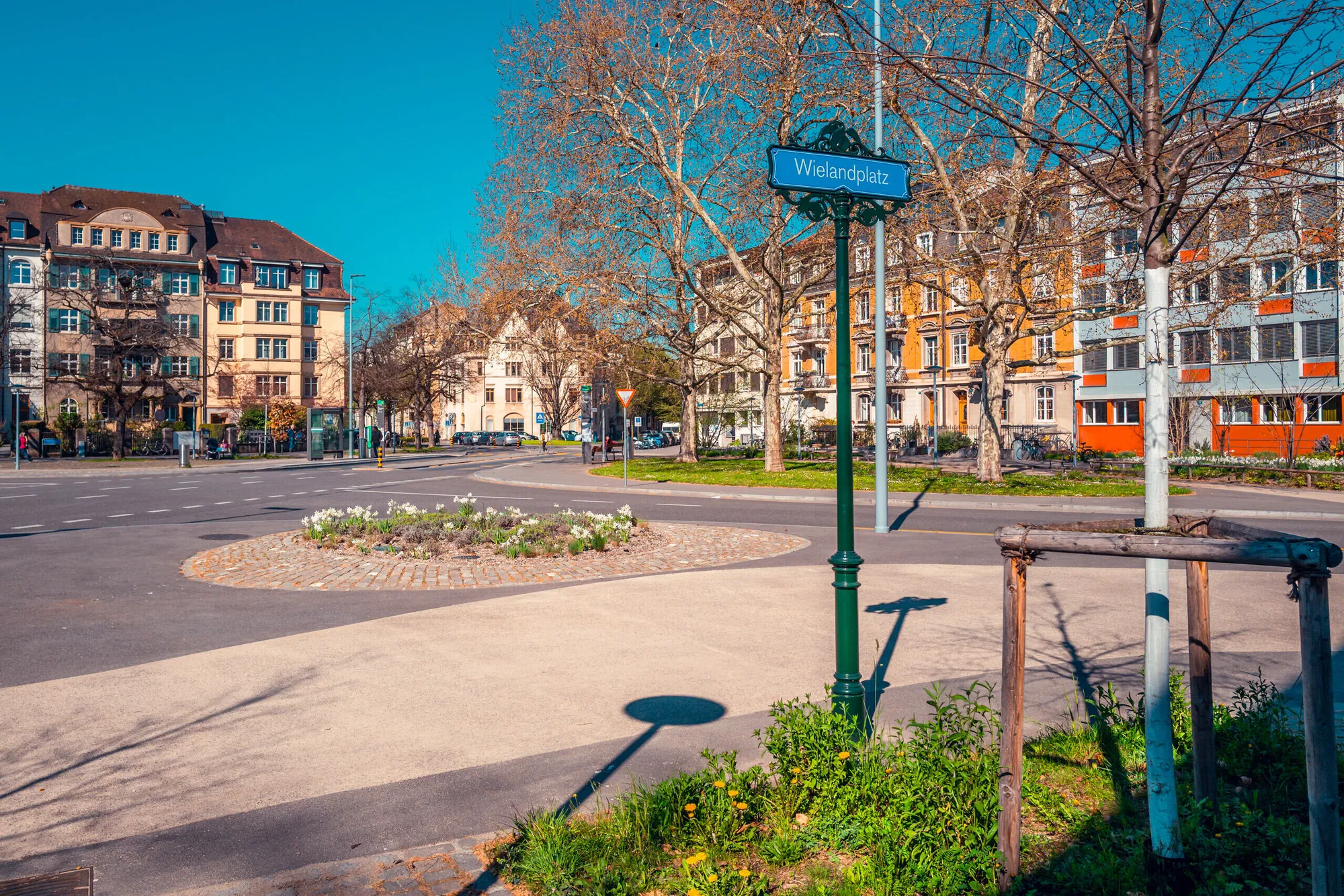
Once you start paying attention to the brief explanations below the names on the road signs, you will not be able to stop. Basel’s road names are taken from geographical features, striking places in the natural landscape, are a testimony to a tangible strain of local patriotism, a great deal of national pride and a dash of global culture – and none of them are random choices. The Bundesplatz (Confederation Square) was named in 1901 to commemorate the 400-year anniversary of Basel joining the Swiss Confederation, the Wielandplatz (Wieland Square) was named in honour of an influential Basel family of lawyers, politicians, and army officers and the Fischerweg (fisherman’s path) was the way to the fishing spots just down below along the Rhine. The Picassoplatz (Picasso Square) was named as a tribute to the world-famous painter, who played a significant role in Basel’s development as a cultural capital and who donated four of his paintings to the city’s art museum, the Kunstmuseum Basel. The Mittlere Strasse (Middle Street) on the other hand, refers quite simply to the central road of the three original thoroughfares leading into the historical centre of the city: because the Mittlere Strasse transects the axis between the Spalentor (Palisade Gate) and the St. Johanns Tor (St. John’s Gate) at its midpoint.
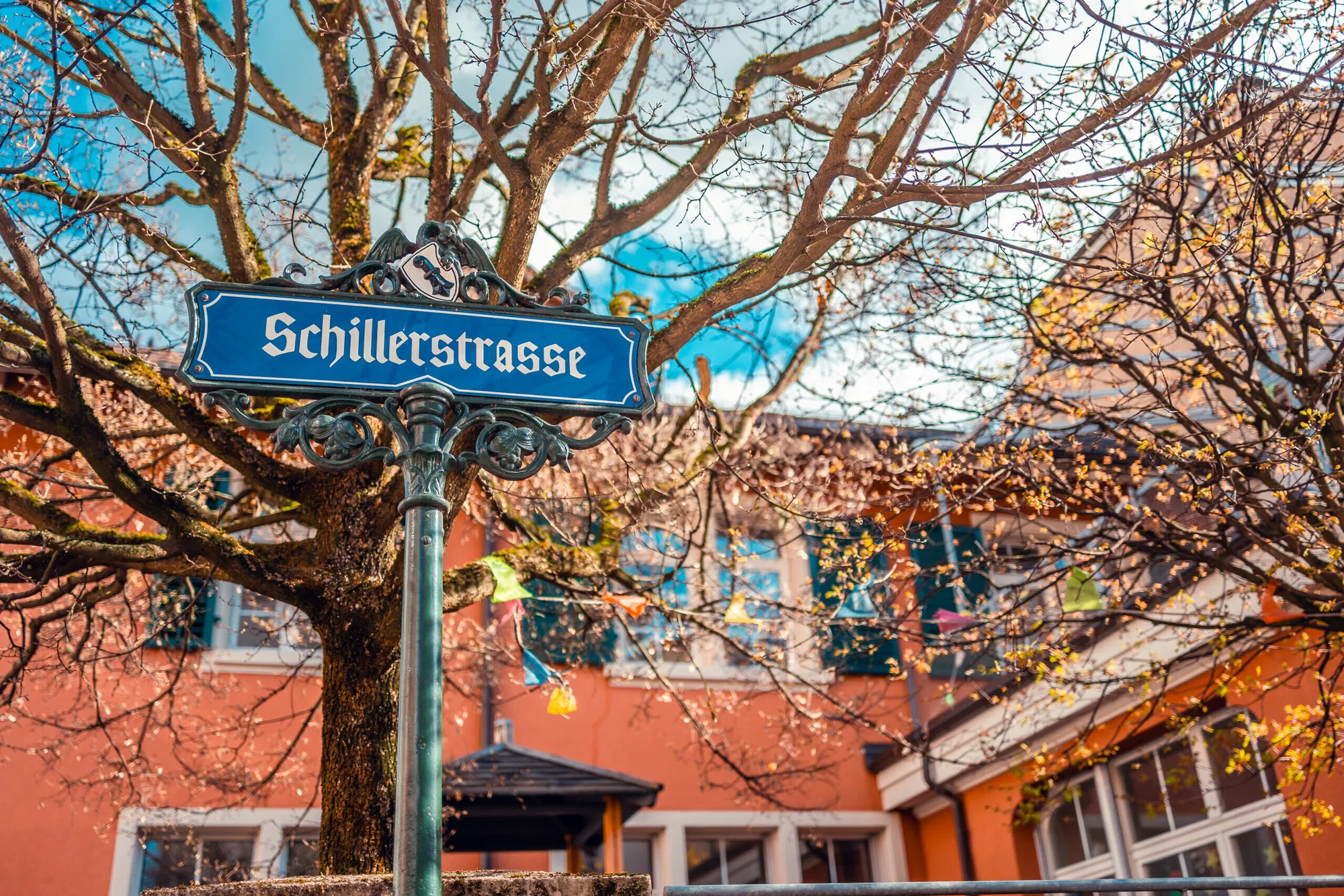
“Each road name offers some kind of historical information;” Salvisberg explains enthusiastically and then adds: “Perhaps not always in and of itself, but in conjunction with other road names.” We are now in the Gundeldingen quarter, the “Gundeli” and are perusing the historical road sign for the Schillerstrasse. Friedrich Schiller – was he from Basel? “No, but," Salvisberg explains, "the Schillerstrasse part of an ensemble of street names. The next road and neighbouring square, the Tellstrasse and the Tellplatz are named after the Swiss national hero William Tell. Friedrich Schiller wrote a play about Tell while Ludwig Uhland – after whom the Uhlandstrasse was named – dedicated a ballad to Tell.” Together they form a self-contained mini-network of interrelated road names, each of them honouring the hero with the crossbow and serving as an expression of Basel’s pride in Switzerland as a nation.
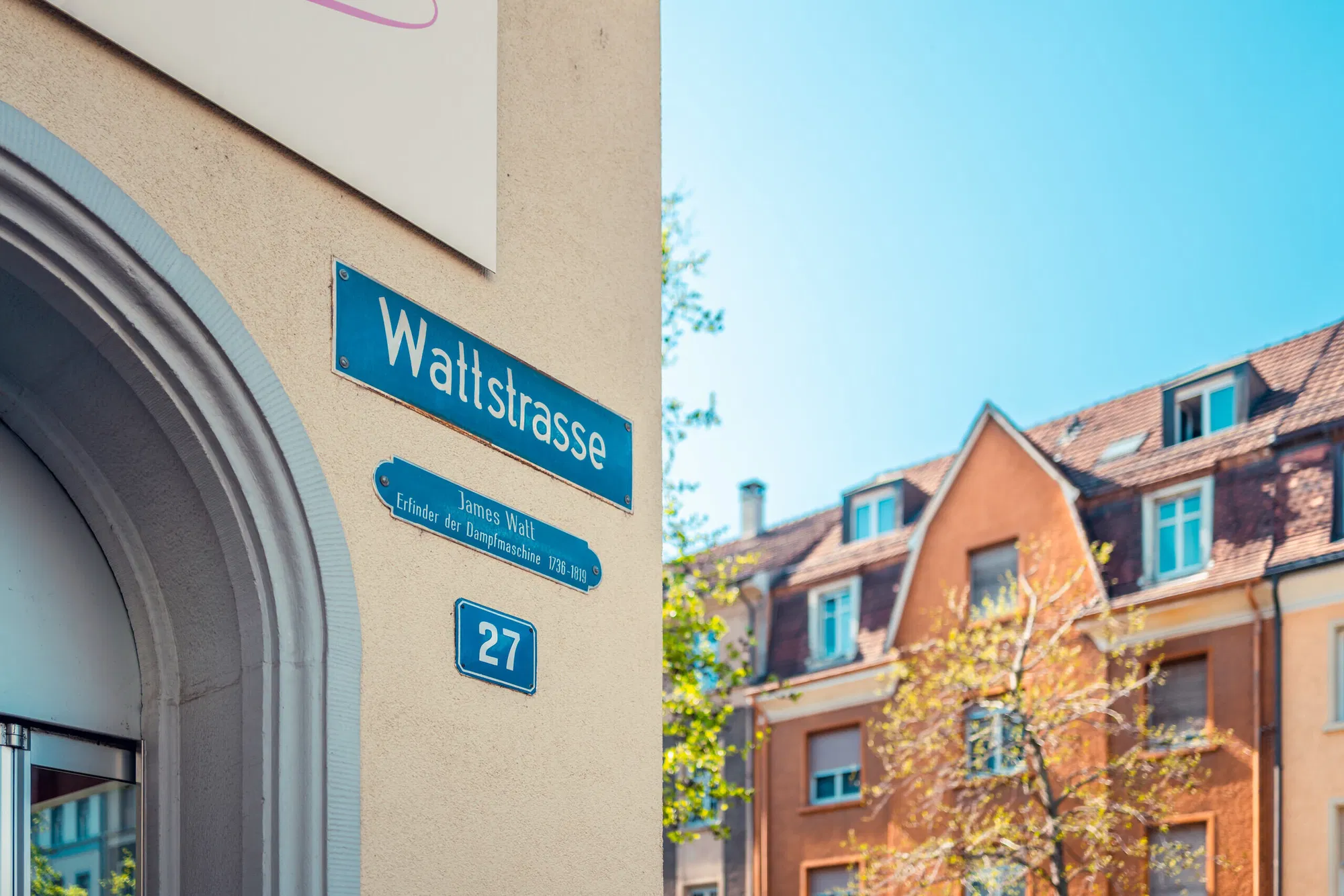
If you look carefully, there are equally fascinating stories to be found in every quarter of Basel. The Iselin quarter includes a network of streets named after places over the border in the Alsace, e.g. Colmar, Strasbourg and Hegenheim (Colmarerstrasse, Hegenheimerstrasse, Strassburgerallee); the alleyways in the old town refer to ancient crafts and the trade guilds that operated there, Gerbergasse (tanneries), Schneidergasse (tailors), Hutgasse (milliners); while the St. Johann quarter harks back to its past as an important manufacturing area with fascinating energy-packed names such as Watt, light and gas (Wattstrasse, Lichtstrasse, Gasstrasse).
Feel at home
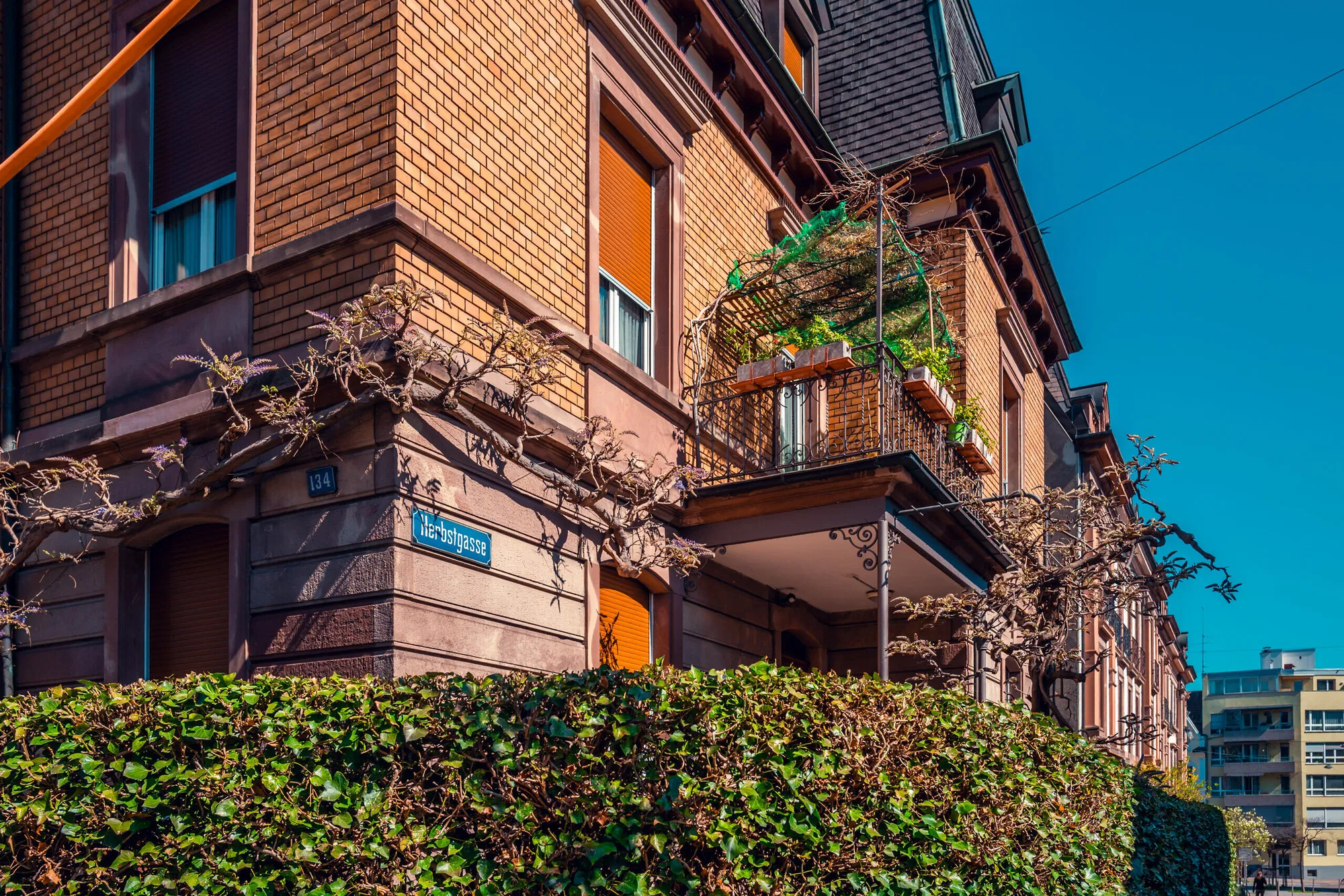
At the end of my tour through Basel I have a completely new image of the city in my head. No doubt about it: if you spend some time studying Basel’s road names, you will understand much more about the city. In addition to the most obvious landmarks, like the cathedral and the Rhine, there are also plenty of smaller details to be found in the streets that are a pleasure to discover and make the town so fascinating. Small details, such as the fact that the road sign for the Elftausendjungfern-Gässlein (St. Ursula’s ‘eleven thousand holy virgins’ alleyway is deliberately hung so high, to save it from being stolen again, because it is such an unusual name for a road. Other surprising details, for example that there is no road named for Spring, but that the quartet of seasons, autumn, winter, and summer (Herbstgasse, Sommergasse, and Wintergasse) are perfectly rounded off with the Lenzgasse, Lenz being an old poetical name for springtide. And little things like the nostalgic, beautiful old road signs wrought in cast iron, which will catch your eye in various corners of the city, thanks to their rarity and unique character, telling you: you’re in Basel here, you’re at home here.
You want to learn more about Basel’s road names?
You will find what you are looking for in André Salvisberg’s book “Die Basler Strassennamen”– published in German by the Christoph Merian Publishing House. You can also find the explanations of the city’s street names on the digital portal of Canton Basel-Stadt (also in German).