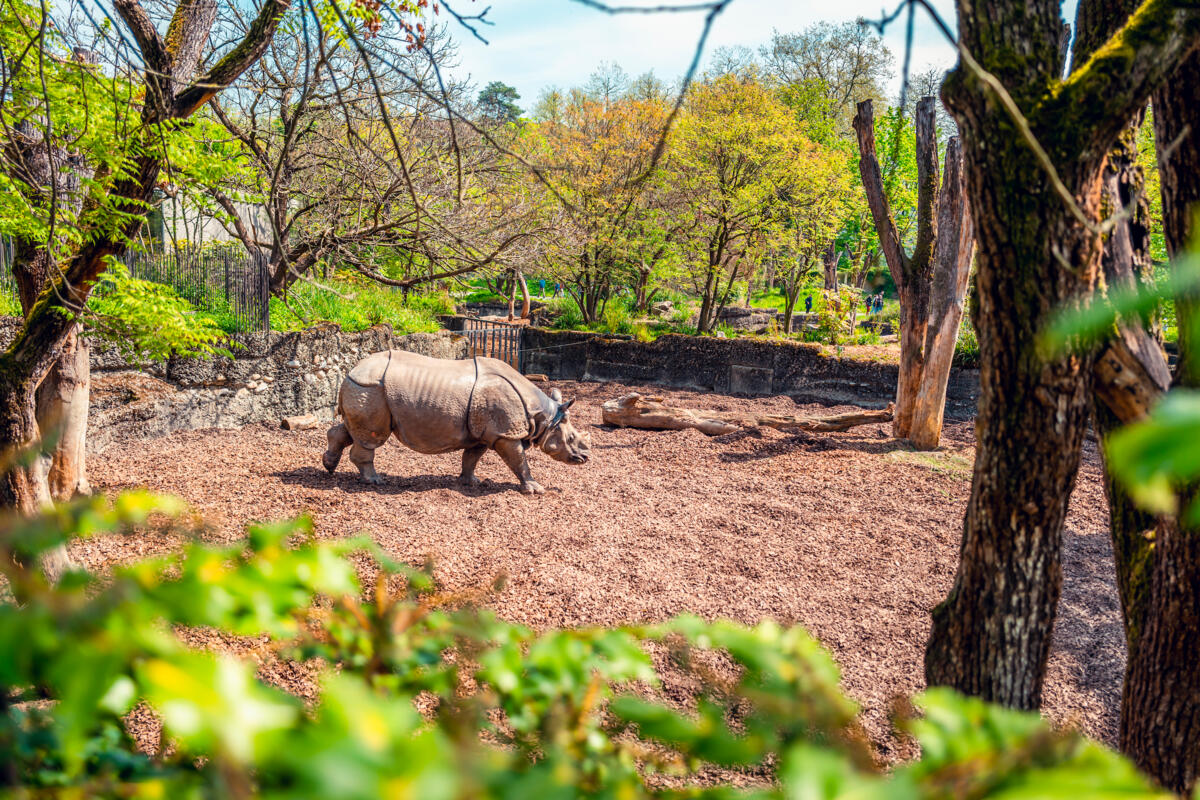
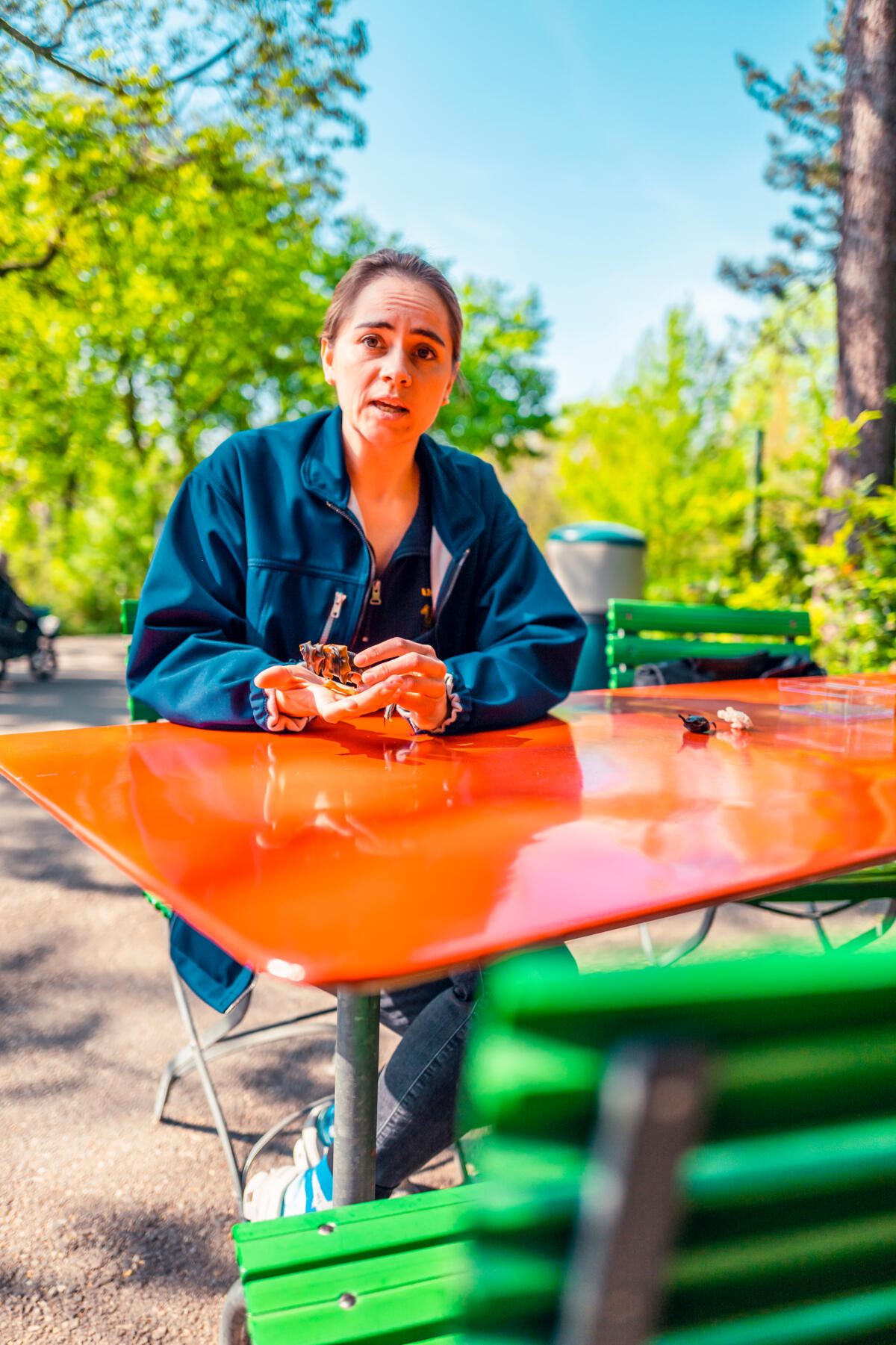
Seldom have I learnt so much, in such a short time, as during this meeting with Nina Decrue at the zoo. Nina is the nature conservation officer here, and nature conservation is one of the fundamental principles of Basel Zoo. Basel zoo currently supports 13 projects worldwide and is thus making a significant contribution to the protection and preservation of endangered species and their habitats. Critical thinkers may frown a bit at this point and ask – elephants, lions, kangaroos in the middle of a city, what on earth does that have to do with their protection? “Because we humans are spreading out more and more, the populations of many animal species living in the wild are severely threatened. The internationally-coordinated conservation breeding programs of scientifically managed zoos, such as Basel Zoo, enable them to take responsibility and make a major contribution to the crucial protection of wild species all over the world. Without keeping the animals in zoos, we cannot fulfil this objective”, explains Nina Decrue and then continues: “Animals are not ‘free’ in nature either. They live in delimited habitats which are set by other territories, rivers or the availability of food. A lot of people have a ‘romantic idea’ of nature in their minds. But nature is not romantic. It too can be brutal. Fights and killing are part of it.”
Nature is not romantic. Fights and killing are part of it.
Nina Decrue is a biologist. She wrote her M.A. at Basel Zoo. “I spent half a year sitting in front of the ostrich enclosure observing their behaviour”, she smiles. And thanks to those observations it really was possible to optimise the ostrich enclosure. But her real zeal is for the creatures of the sea. The vivarium is her second home, her passion. “A walk through the vivarium grounds me completely. It’s like forest bathing”, she laughs. Being able to work in the zoo was like winning the lottery for Nina. Already as a child she was fascinated by the zoo. And if she visits other countries, her trip still always has to include a visit to the zoo. “I wouldn’t be here now, if I hadn’t discovered this world as a child. That’s why I’m so sure that we’re doing a good thing here, with this zoo”, she explains. “Contact between people and animals is essential. Particularly in a city. It creates a lot of ‘aha’ experiences. I see delighted faces every day. And that is exactly what we are hoping for: To get people on board thanks to their delight in the animals. Because, as we all know, we only really protect what we know and love.”
Then she takes a small box containing strange objects out of her big bag. And introduces me to a world that I had had no idea was so fascinating. These objects are sharks’ eggs. One looks like a screw, it’s from a bullhead shark. “The female takes the egg in her mouth and pushes it into a fissure in the rock.” explains Nina. “The screw shape makes it snag into the rock, so it doesn’t just drift away. The developing shark stays well-protected in its egg until it hatches.” Another egg, from a small-spotted catshark, looks a bit like a bean pod. “The vivarium is really a zoo within a zoo”, explains Nina. “Three-quarters of all the species are in here and you’ll discover the most amazing adaptations and forms of life.”
Inquisitive baby sharks and bold octopuses
She tells me about fish that can change their gender, that keep their fertilised eggs in their mouths to protect them from predators, about the ocean sunfish that can lay up to 300 million eggs per spawning and about the corals that reproduce both sexually and asexually. And she shows me the octopus’ home. “You’ll always find him where the seashells and snail shells are lying around. Octopuses, in seaman’s lore also known as krakens, love to play and keep all their playthings together in one place. An octopus once furtively stole my ring. These animals are so intelligent, they can open screw top lids as well. And yet they have to acquire all their knowledge by themselves; because octopuses only reproduce once in a lifetime. And they die shortly after they have bred leaving their offspring to fend for themselves.”
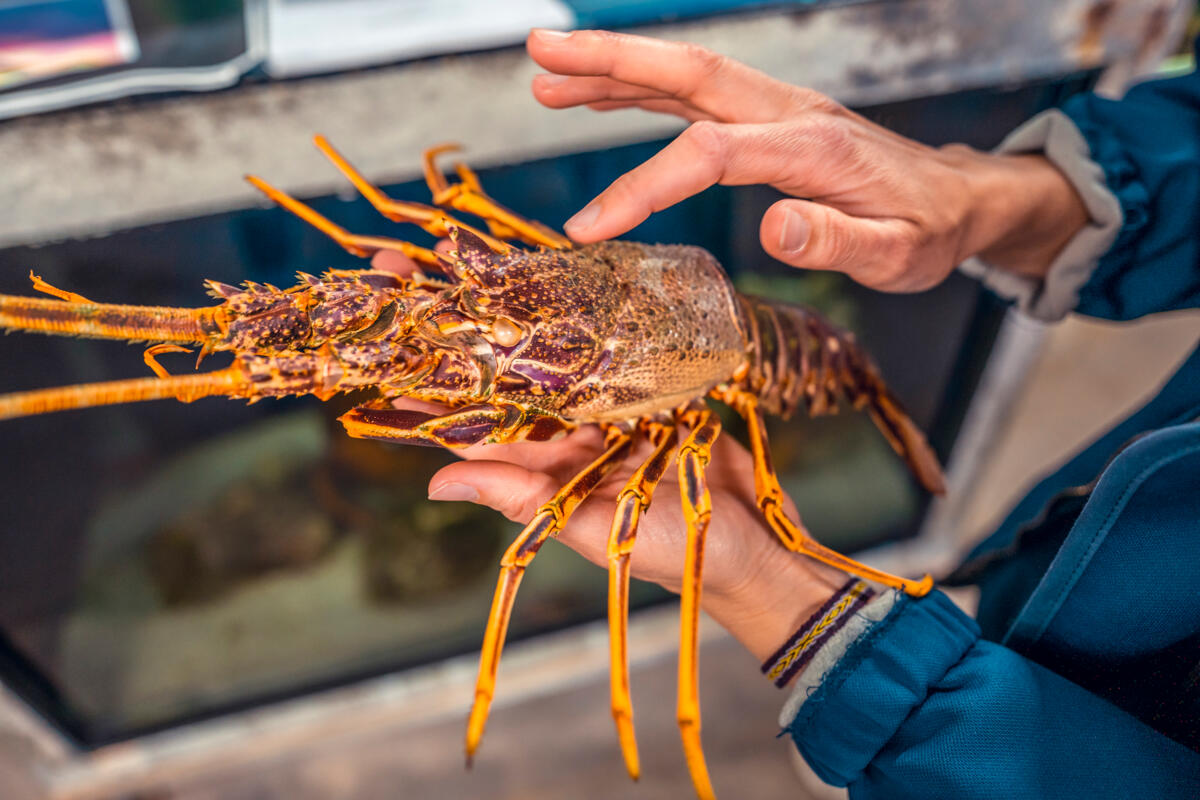
Nina shows me the breeding tank for the catsharks and the bullhead sharks in the service area hidden away in the rear of the vivarium. A small bullhead shark swims straight over to us, at the edge of the tank. “Well, aren’t you the inquisitive one”, laughs Nina. Do fish have personalities? “ Yes of course! There are cheeky ones, shy ones or ones like this fellow who are very inquisitive”, Nina grins. A spiny lobster is lying on a shelf above one of the tanks. Reddish-orange, in all its glory, but strangely light. “It’s shed its carapace” a zookeeper explains to us. “While they are growing, their carapace becomes too tight from time to time. Then they shed it and hide away among the rocks, until a new, larger carapace has grown and they have protection from their predators again. It would be great if it would work like that for us humans too”, he grins.
Contact between people and animals is essential. Particularly in a city.
Nature conservancy and education come first
There is an incredible amount to see and be amazed by in the vivarium and in the areas behind it too. It’s a crazy underwater world right in the middle of town, with countless miraculous tales and mysteries. And I suddenly feel queasy when I think about the state the world’s oceans are in. “The sea is in a bad state”, Nina confirms my worries. “And we have a direct influence with our behaviour as well, although we don’t live at the coast. For example, with our unthinking consumption of fish or what we chuck into the water here; microplastics, chemicals, industrial wastewater – everything flows down to the sea.” With its conservation fund, Basel Zoo supports two marine projects. One of them is afforesting coral reefs in Zanzibar and producing sustainable bath sponges. The second project supports effective management of marine sanctuaries in the Mediterranean.
These and all Basel Zoo’s other nature conservancy projects are at least partially financed by the voluntary nature conservancy franc that the zoo’s visitors can donate when buying their tickets. “Nature conservancy and education are our top priorities here at the zoo”, says Nina. That’s why there are no more elephant rides through the zoo and why no one is chasing the pygmy goats around their enclosure anymore either. Because it’s all about imparting respect for the animals and nature. And this is the message all the zoo’s staff pass on to the visitors on a daily basis. So that they realise just how endangered many animal species and their habitats are. This mission is summed up in large letters right over the entrance gate of the zoo: people can “get to know what we should be preserving here”.