450 years ago, Caspar Bauhin, the first full professor of anatomy and botany at the University of Basel, had an anatomical theatre built at the source of the Rhine. At the same time, he laid out a medicinal herb garden next door. In the summer he devoted himself to botany, whilst in the winter he performed autopsies, dissected and prepared human bodies. The renowned Basel physician also wrote anatomical textbooks, but his great passion lay in botany. He had made it his life’s work to catalogue and describe as many plants as possible, and to classify them systematically based on their similarities. The Botanical Garden, which grew out of the medicinal herb garden, is today considered one of the oldest in the world.
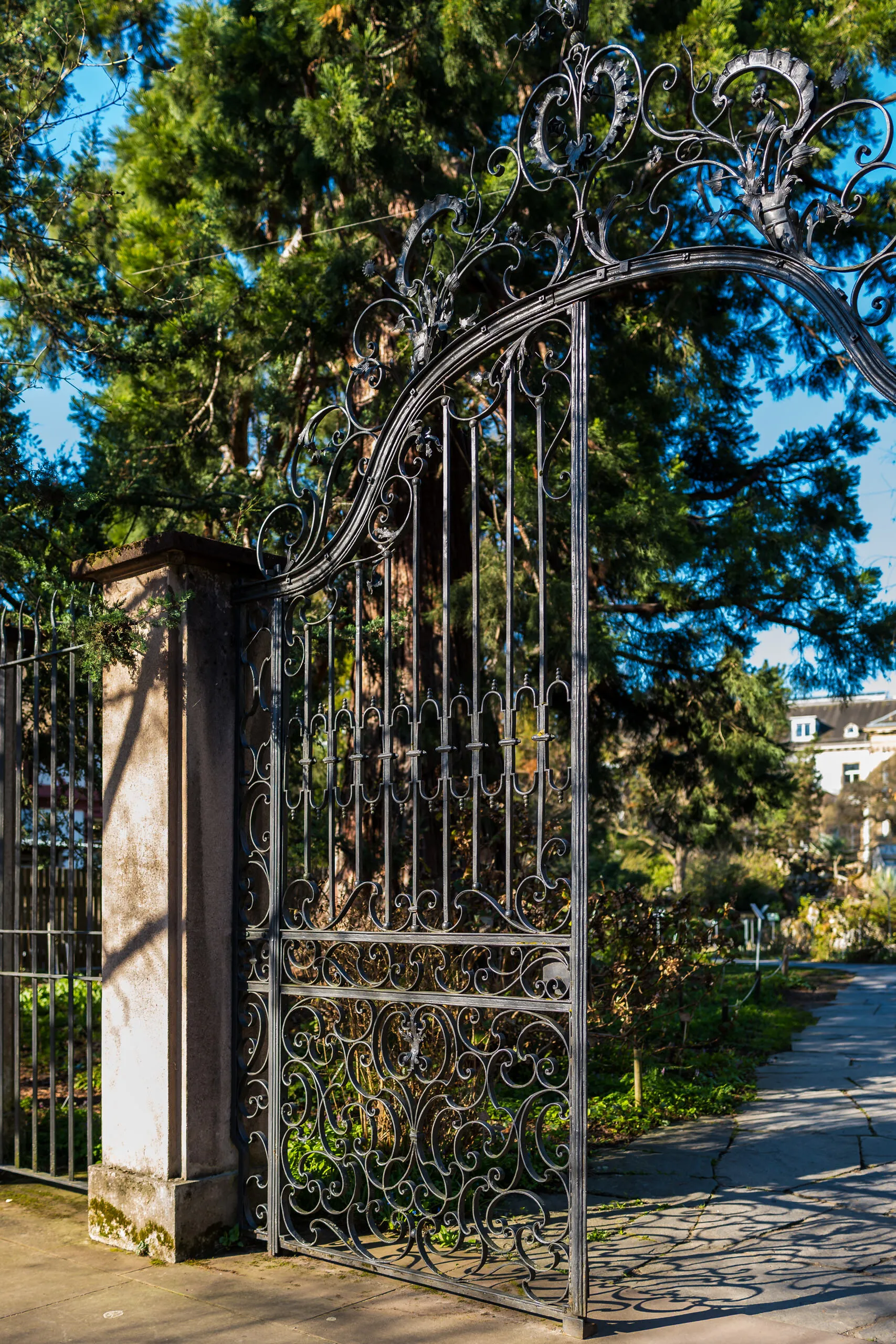
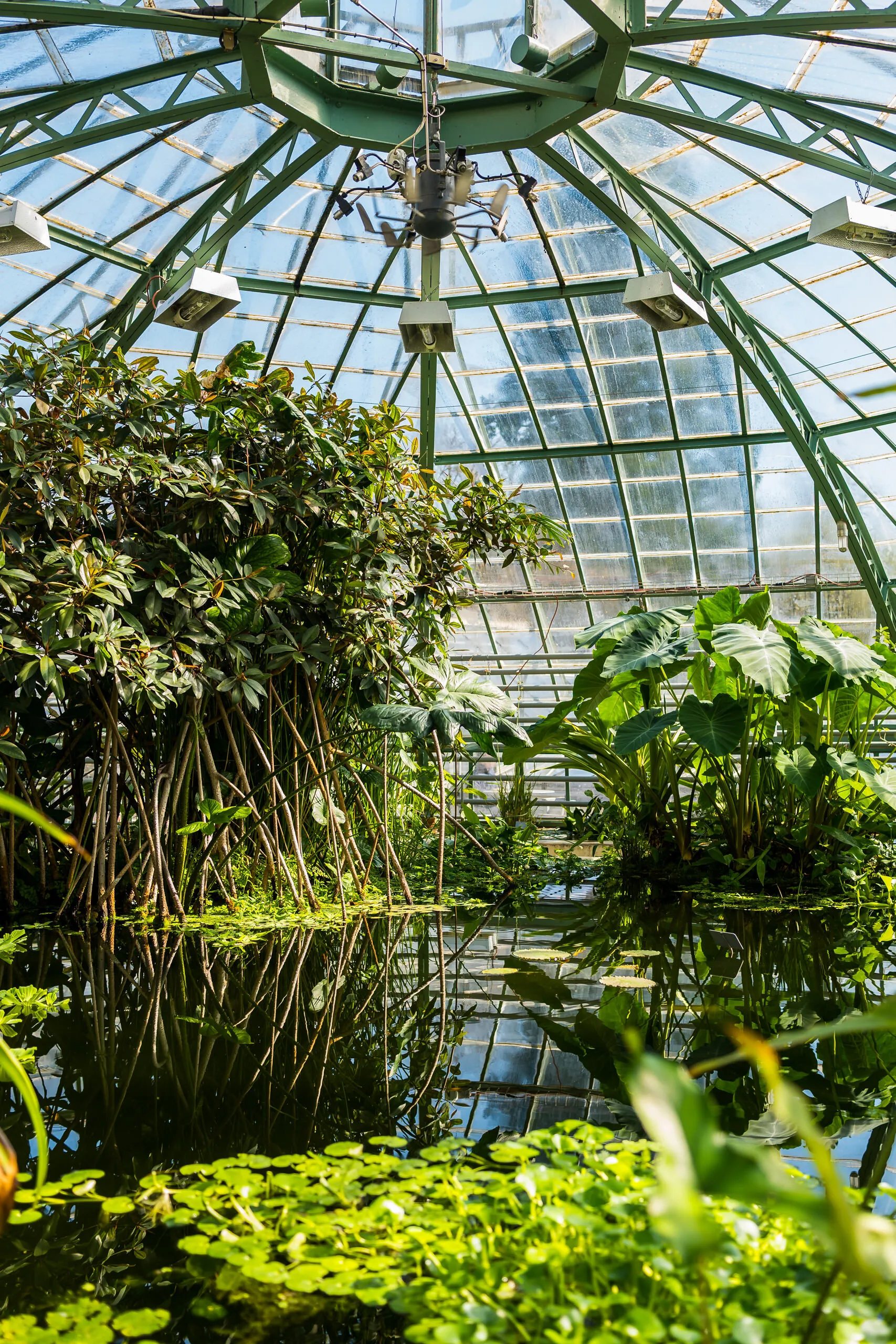
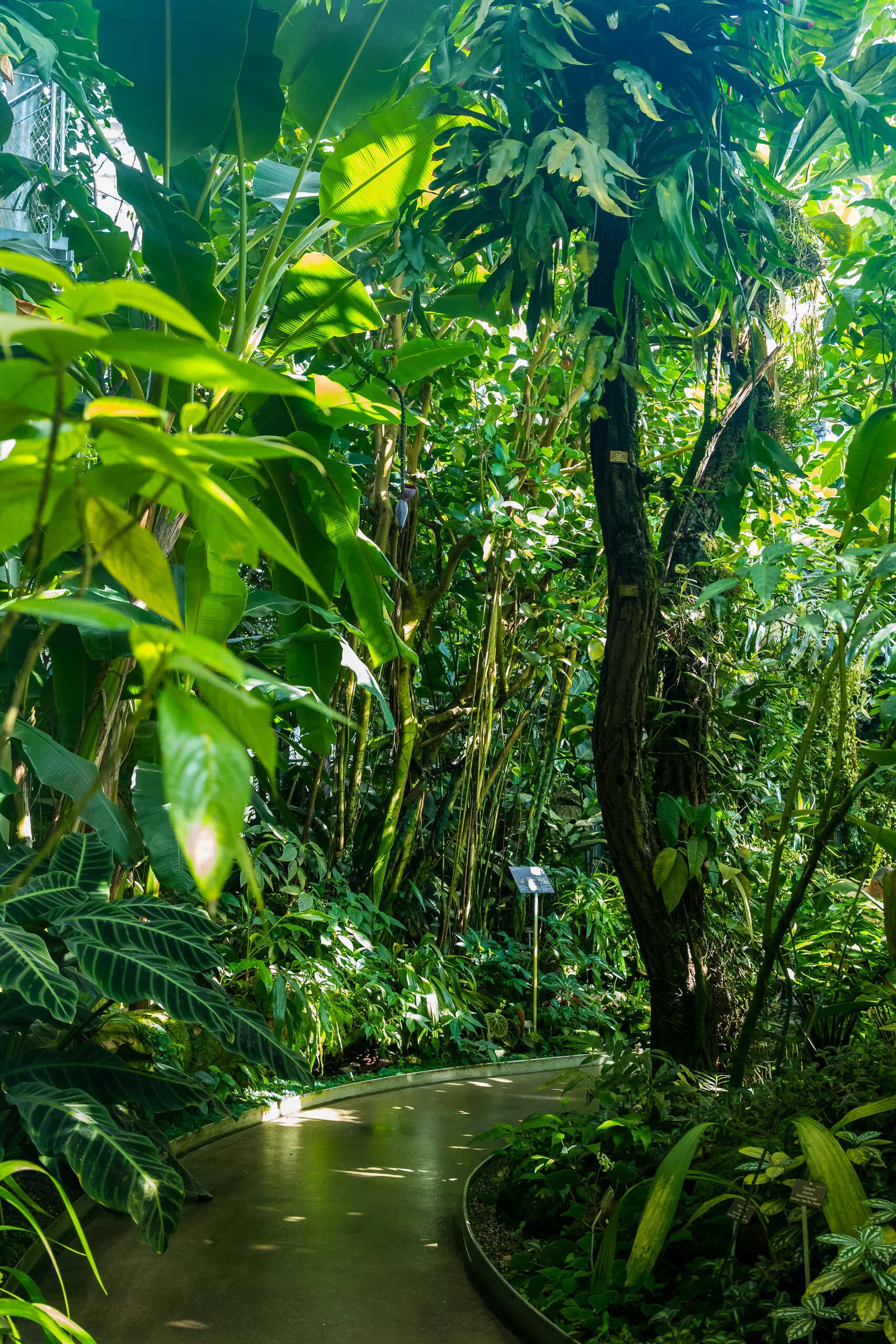
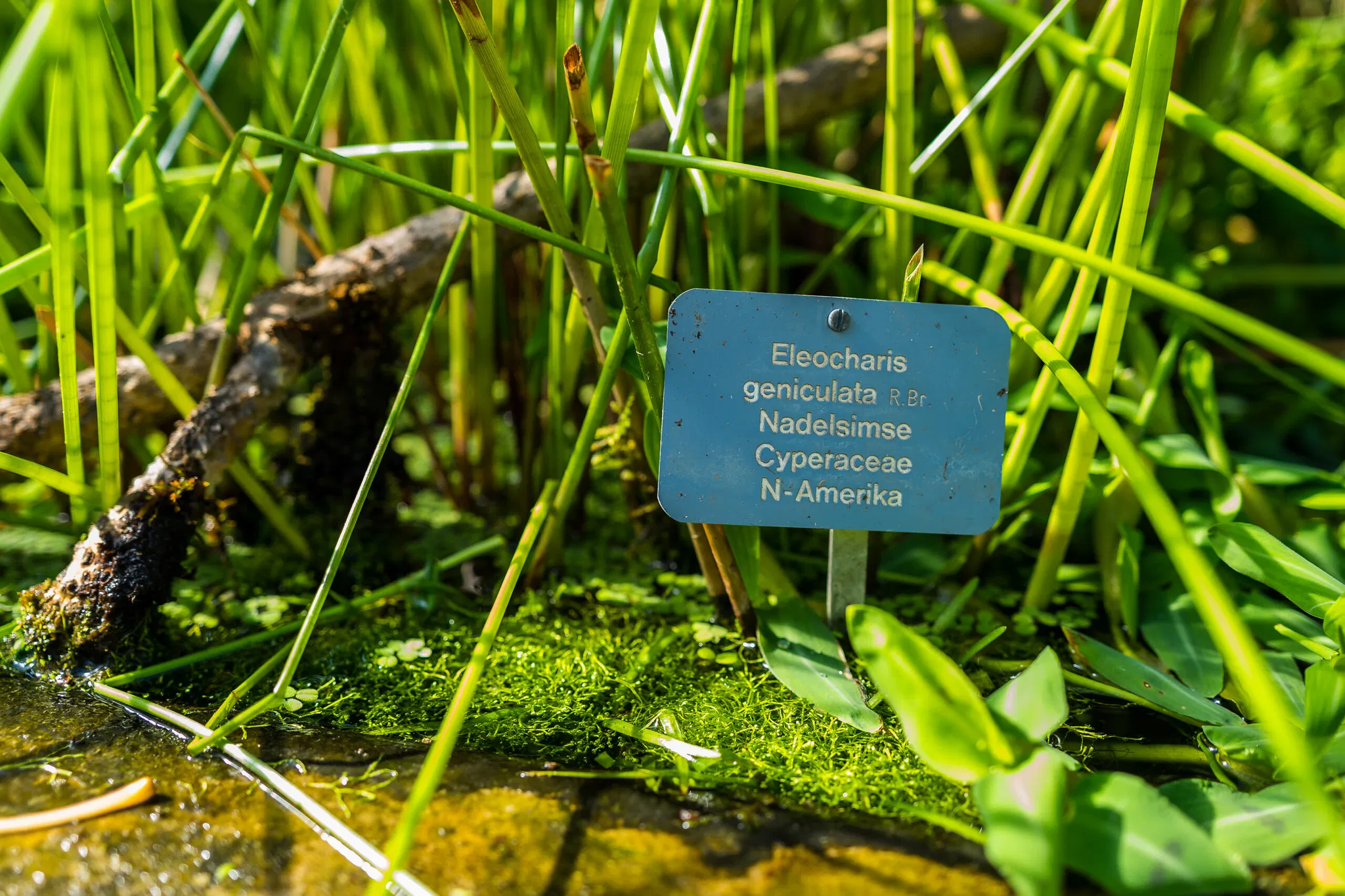
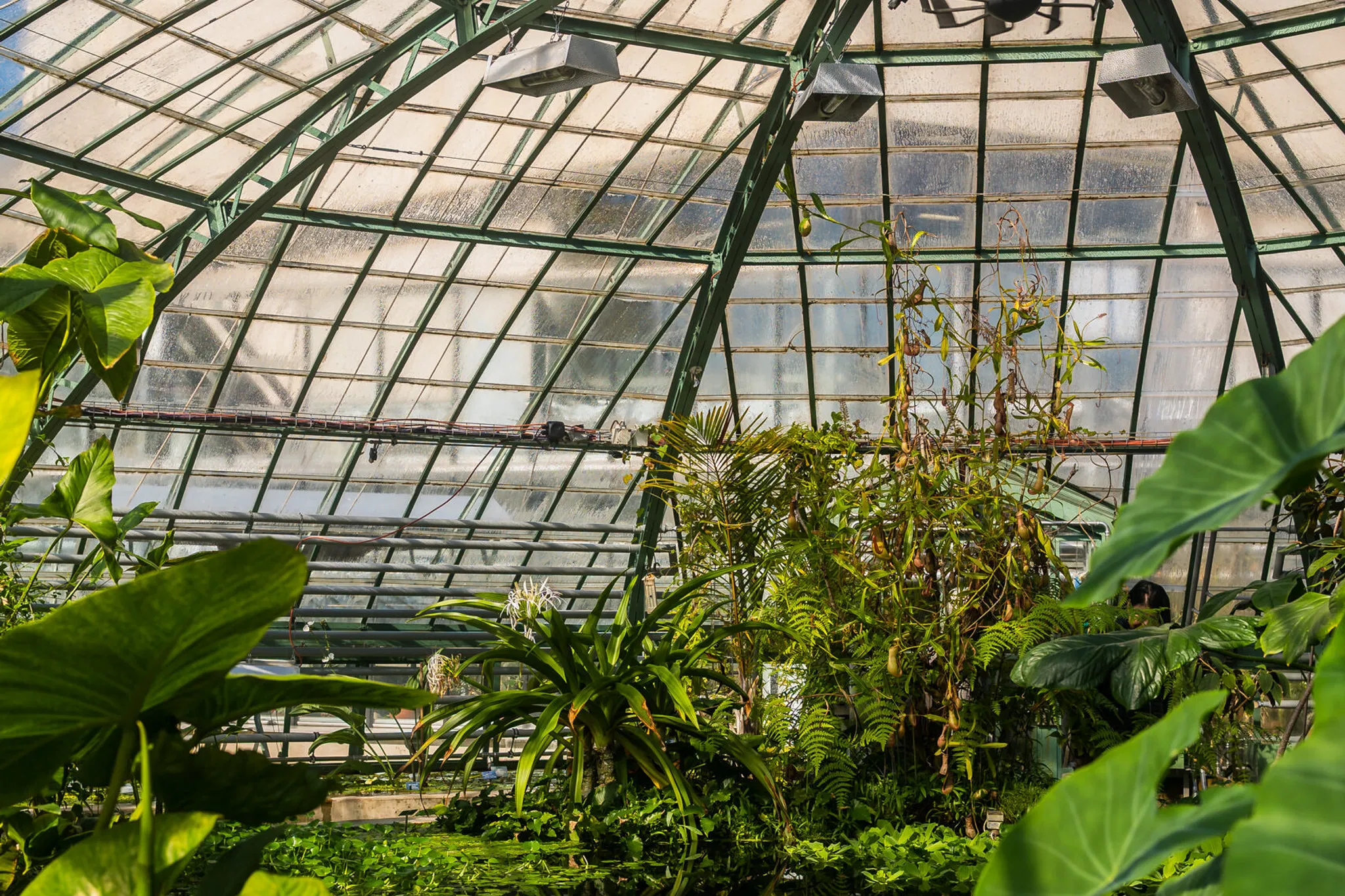
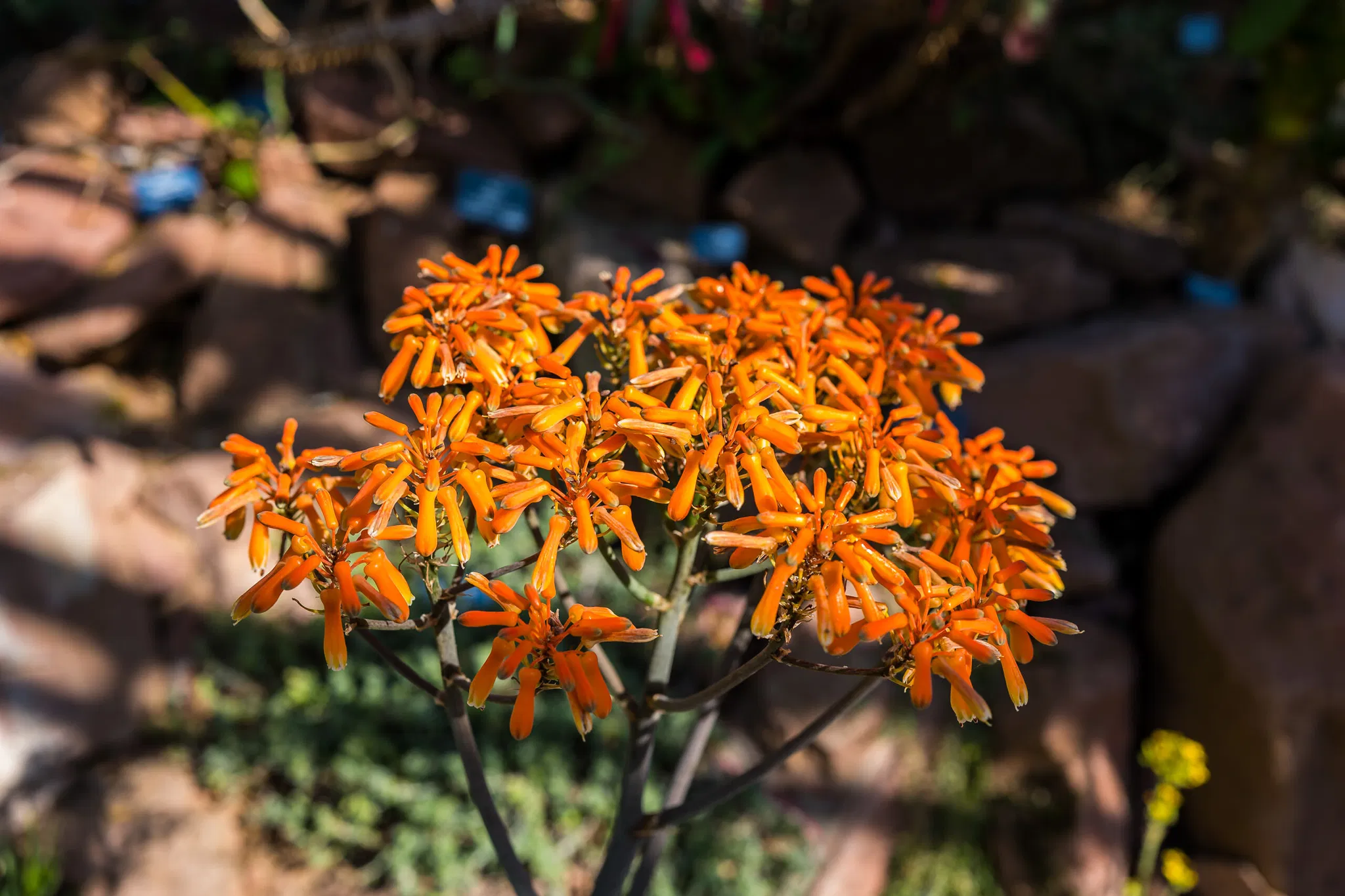
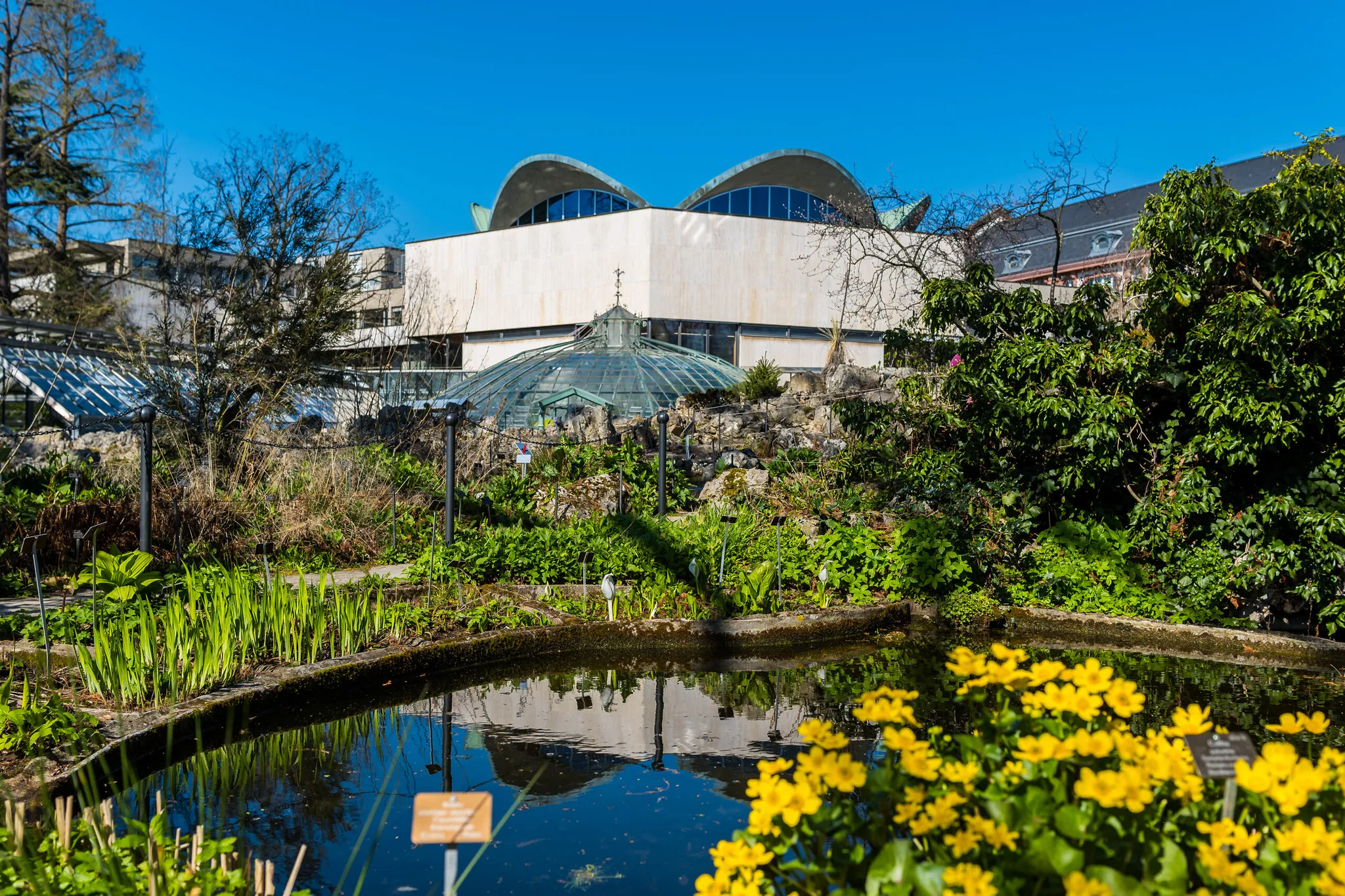
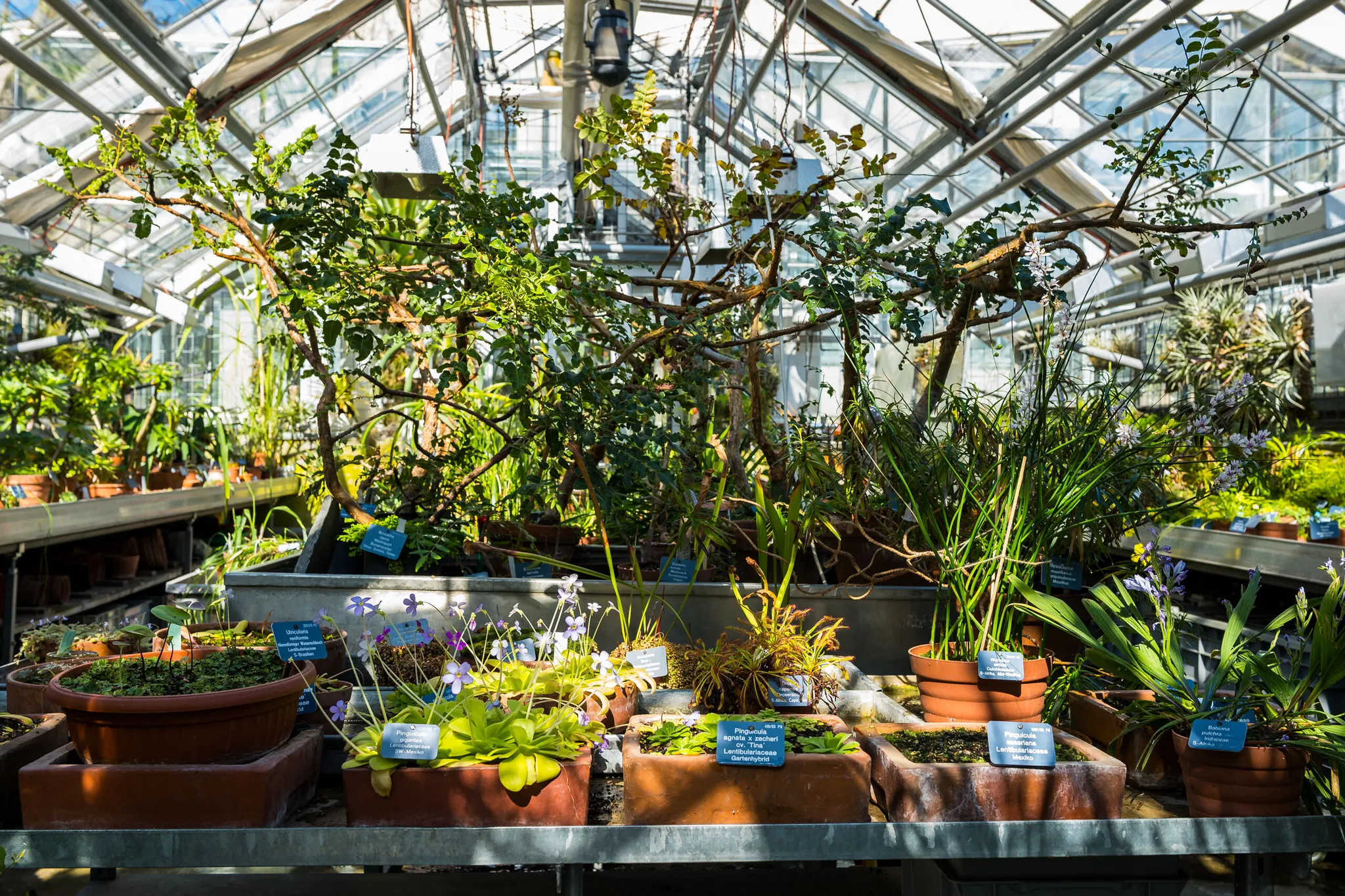
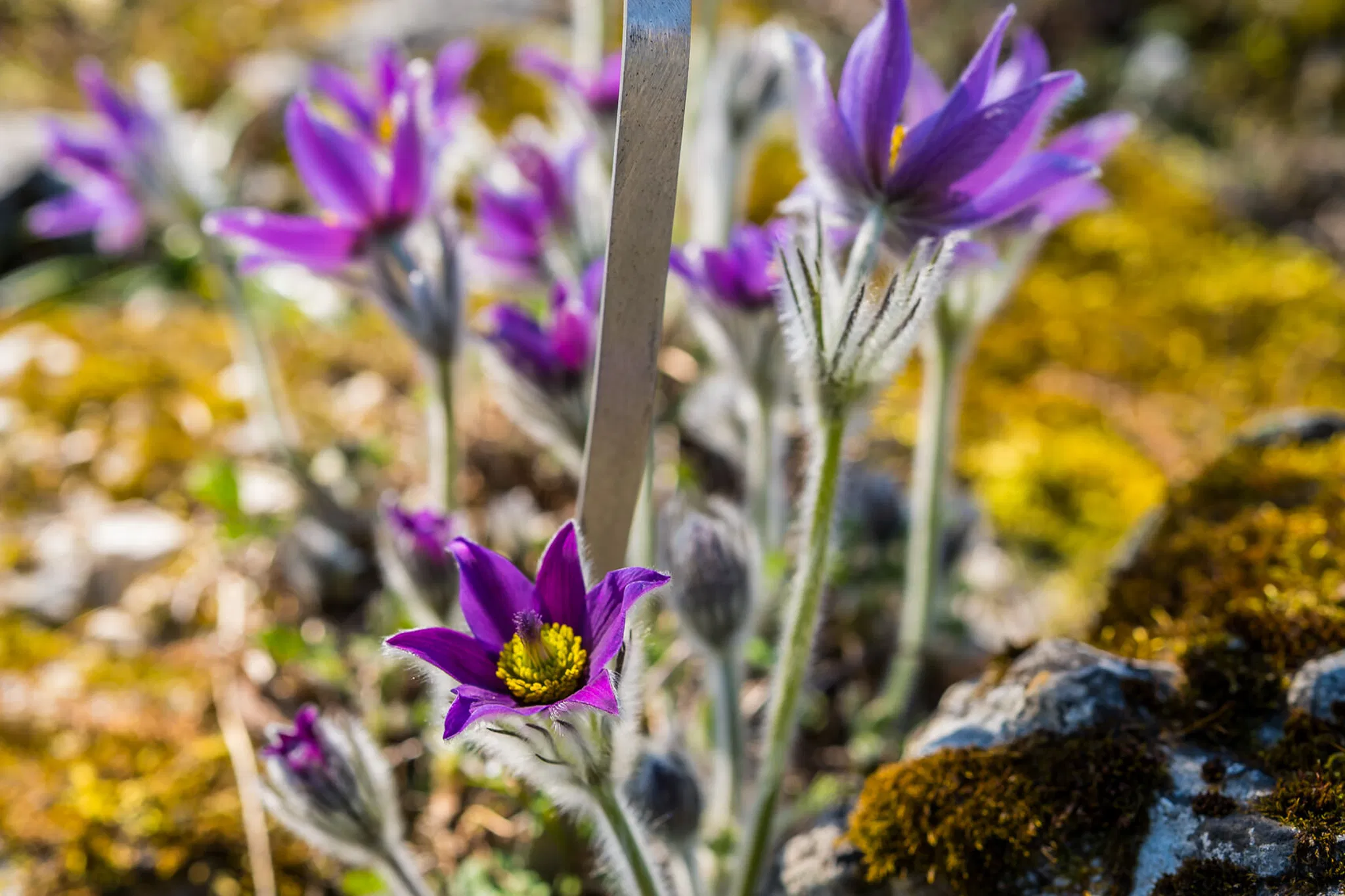
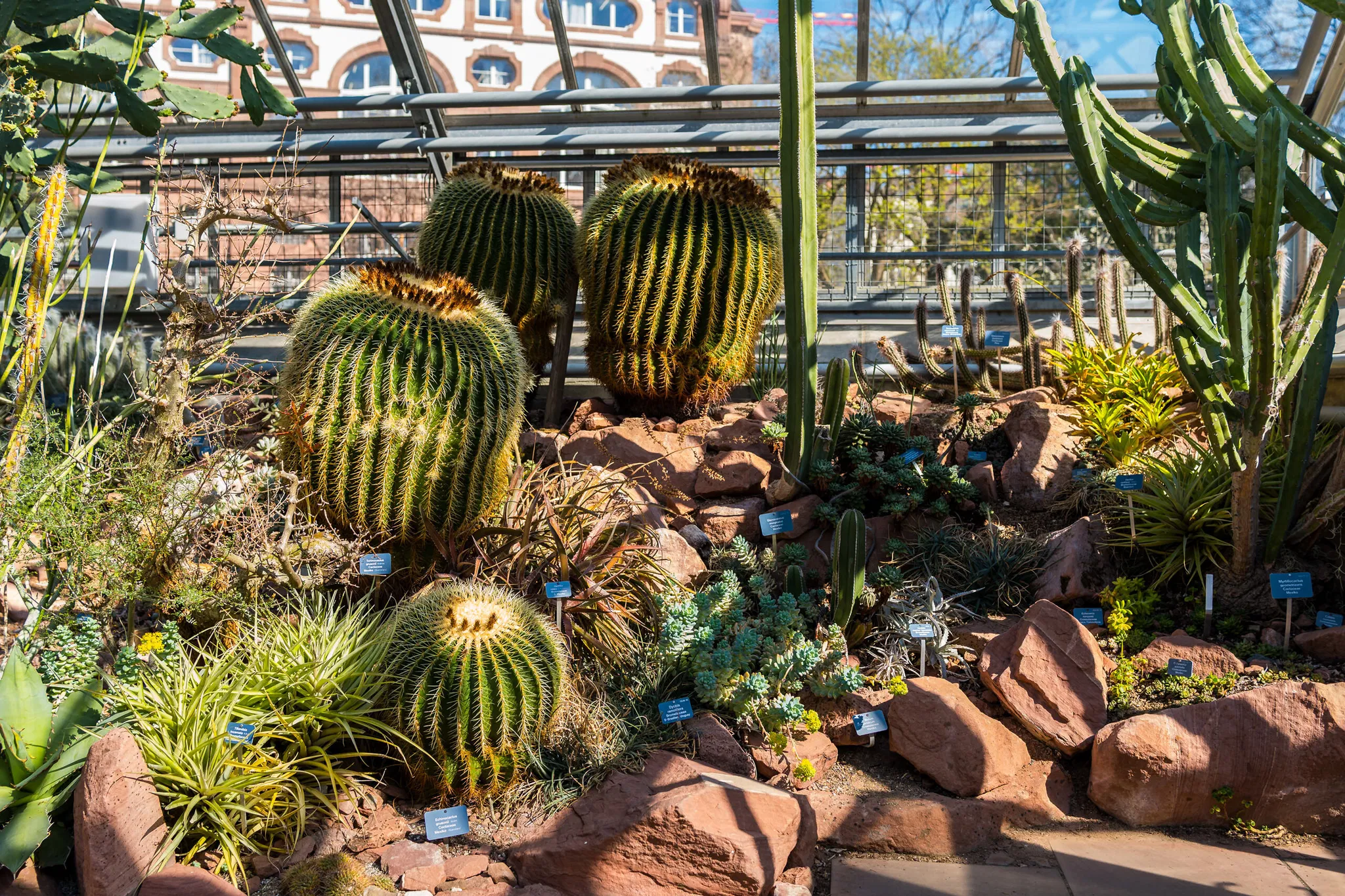
Since 1898, it has been situated between Spalentor and Petersplatz, right next to the university. The entire vast world of plants is at home on just under a hectare of land, where lotus flowers, passion flowers, alpine roses and strelitzias thrive, as well as bananas, cocoa, vanilla, and ginger. Right at the entrance to the Tropical House, a pepper plant climbs skywards. Prehistoric ferns, imposing trees, delicate mosses, curious desert plants, ferns, epiphytes, mangroves, and cacti also grow on the site – over 7,500 plant species in total, all labelled and classified. However, alpine plants struggle in the Botanical Garden. “Basel’s summers are too hot for them,” explains Marin Müller, head of the Botanical Garden. “And in winter they freeze to death because there is no protective blanket of snow.”
Even for experts, weeding and pruning are the order of the day
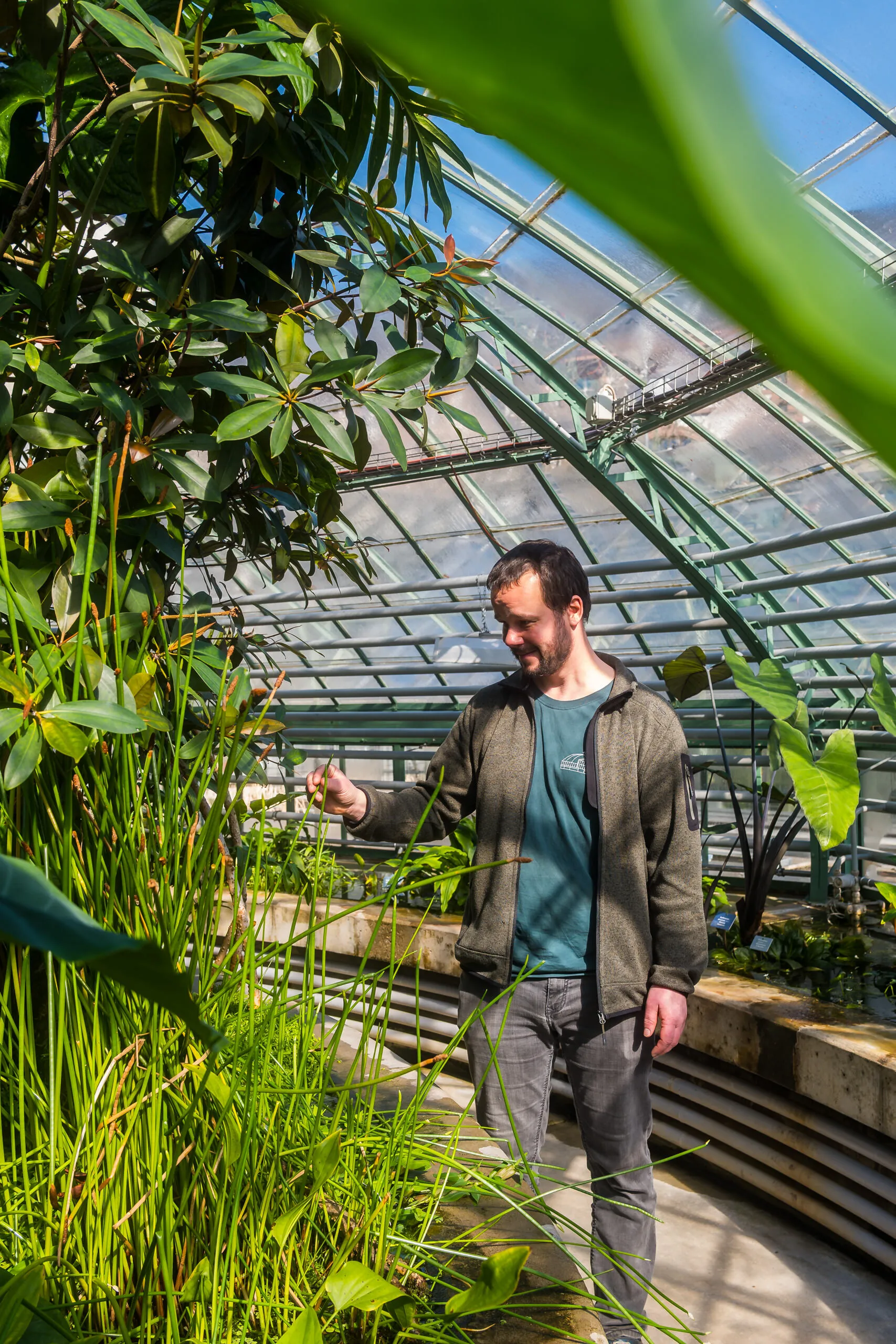
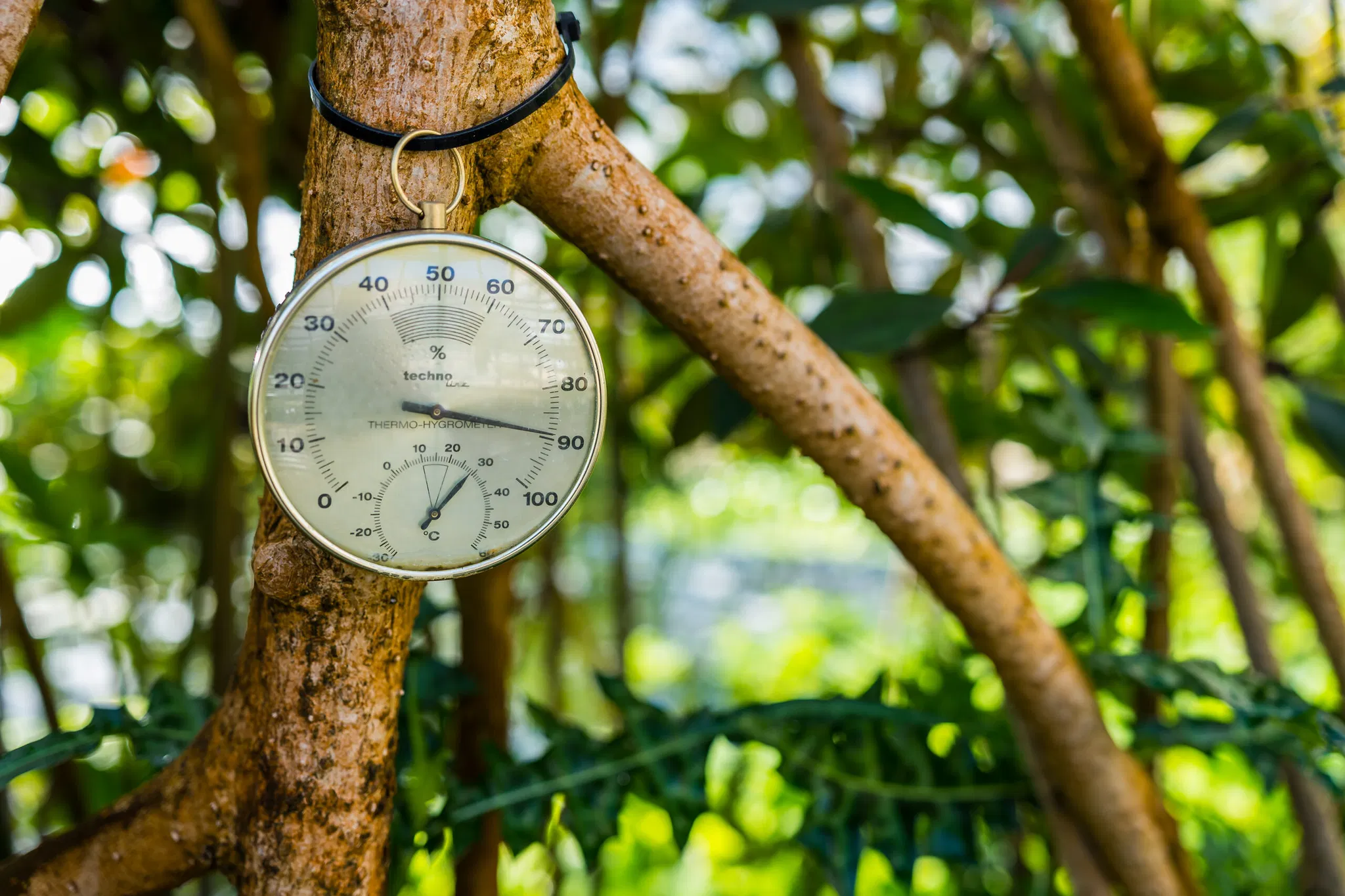
Marin Müller has been working at the Botanical Garden since early 2025. Before that, he was a tree and shrub specialist and head gardener on the island of Mainau. In Basel, he works with a small team of experts to ensure that the Botanical Garden always looks perfect and thrives magnificently. Anyone who tends their own garden knows what that means: weeding, weeding, weeding. And, on top of that, regular pruning. Even more so in a tropical climate, where everything grows at record speed. “If we didn’t regularly trim the plants in the Tropical House, everything here would soon be overgrown,” Marin smiles. What looks wild and natural is, in reality, meticulously controlled. Temperature, humidity, light, and ventilation are electronically controlled. Alongside this, there remains a multitude of tasks that must be carried out by hand. Laying out slices of cucumber to deter snails, for example. Or brushing the orchid leaves with a milk-and-water mixture to combat aphids.
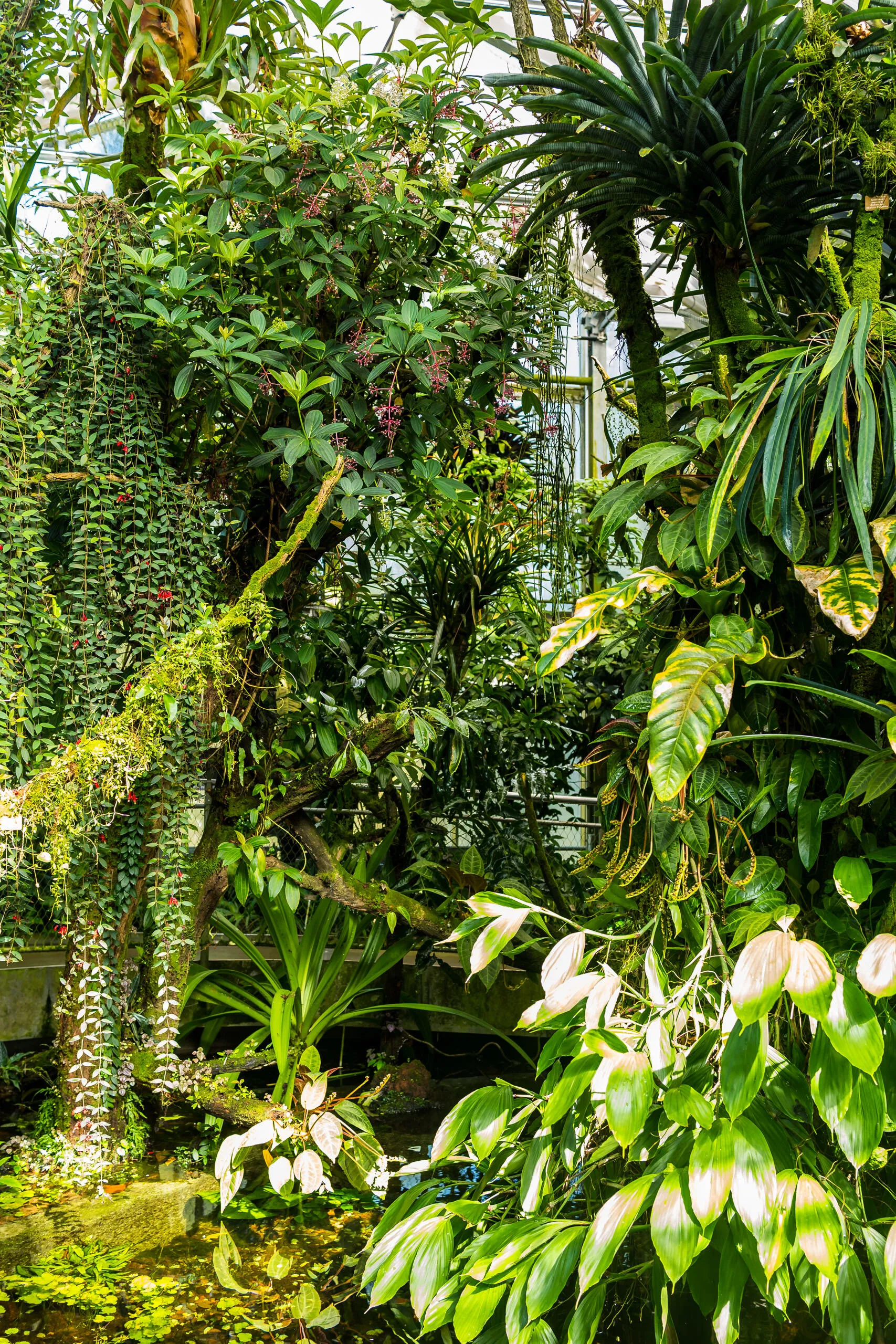
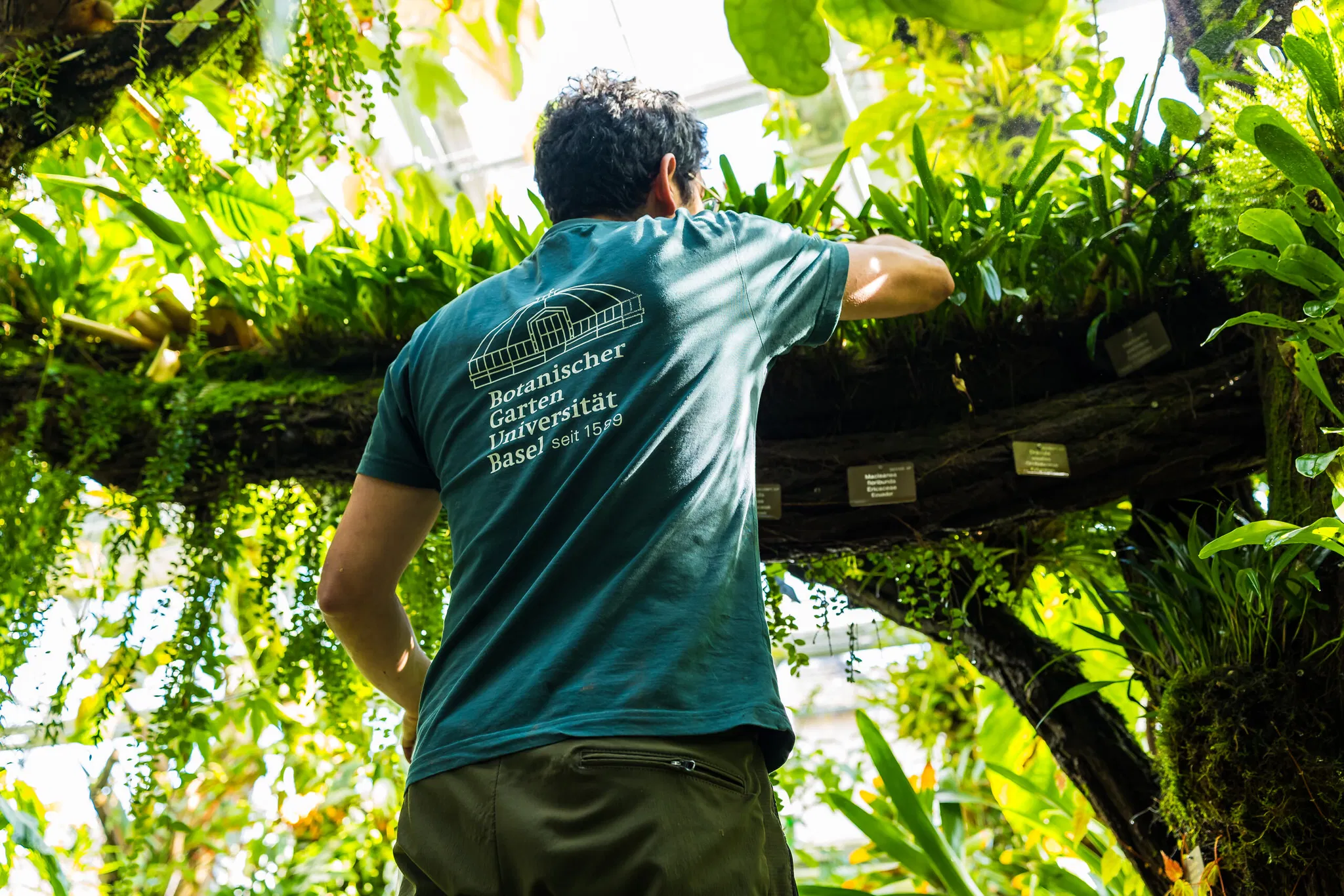
Pests are also an issue in the Botanical Garden. Although new plants are always put in quarantine first, unwanted guests are inevitable. In the Tropical House, the poison-dart frogs take care of some of them. “They’re not poisonous, by the way,” Marin emphasises, “because we don’t feed them poisonous caterpillars – so don’t worry! The frogs are important to us because they eat ants and small insects.”
Biodiversity in a tiny space
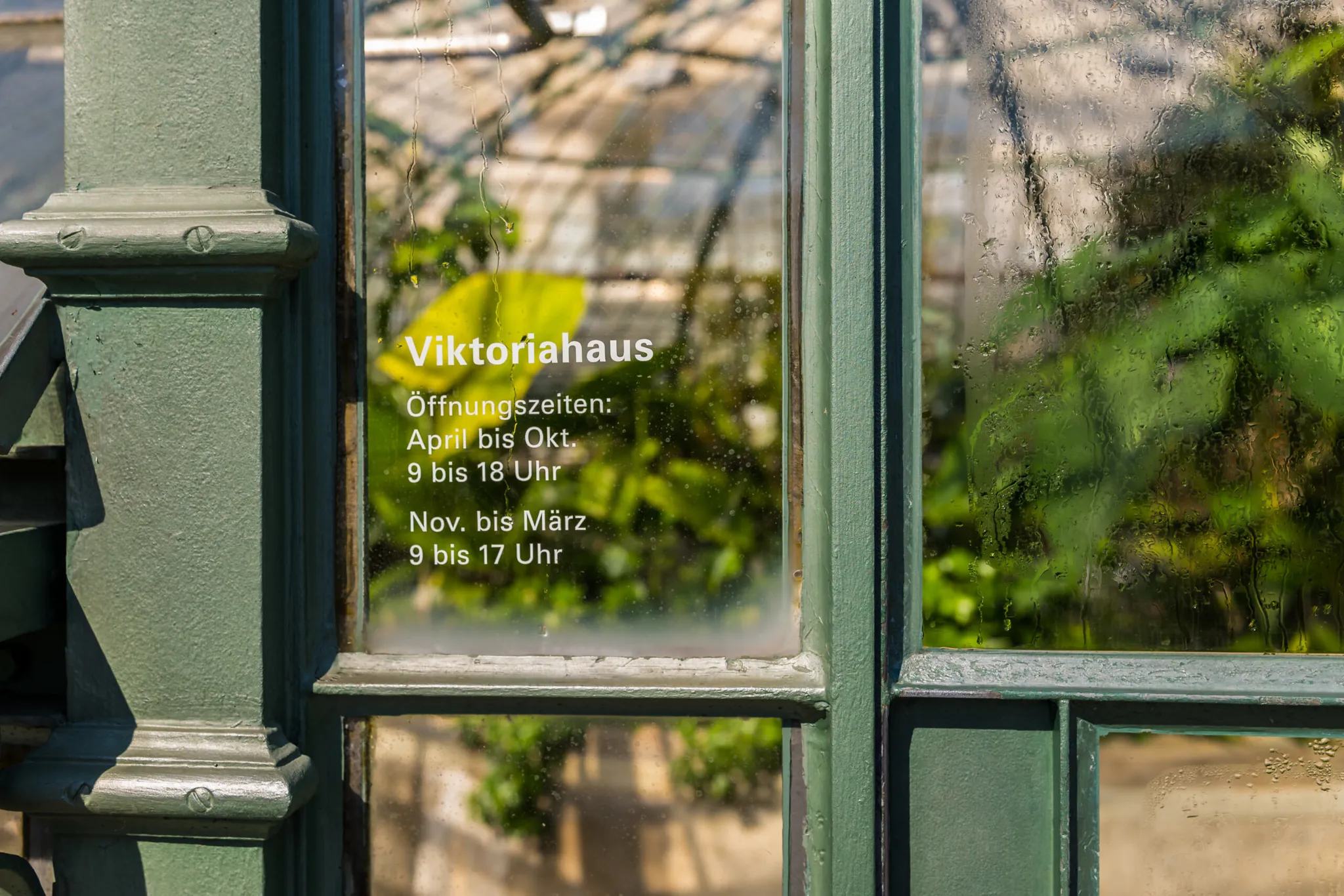
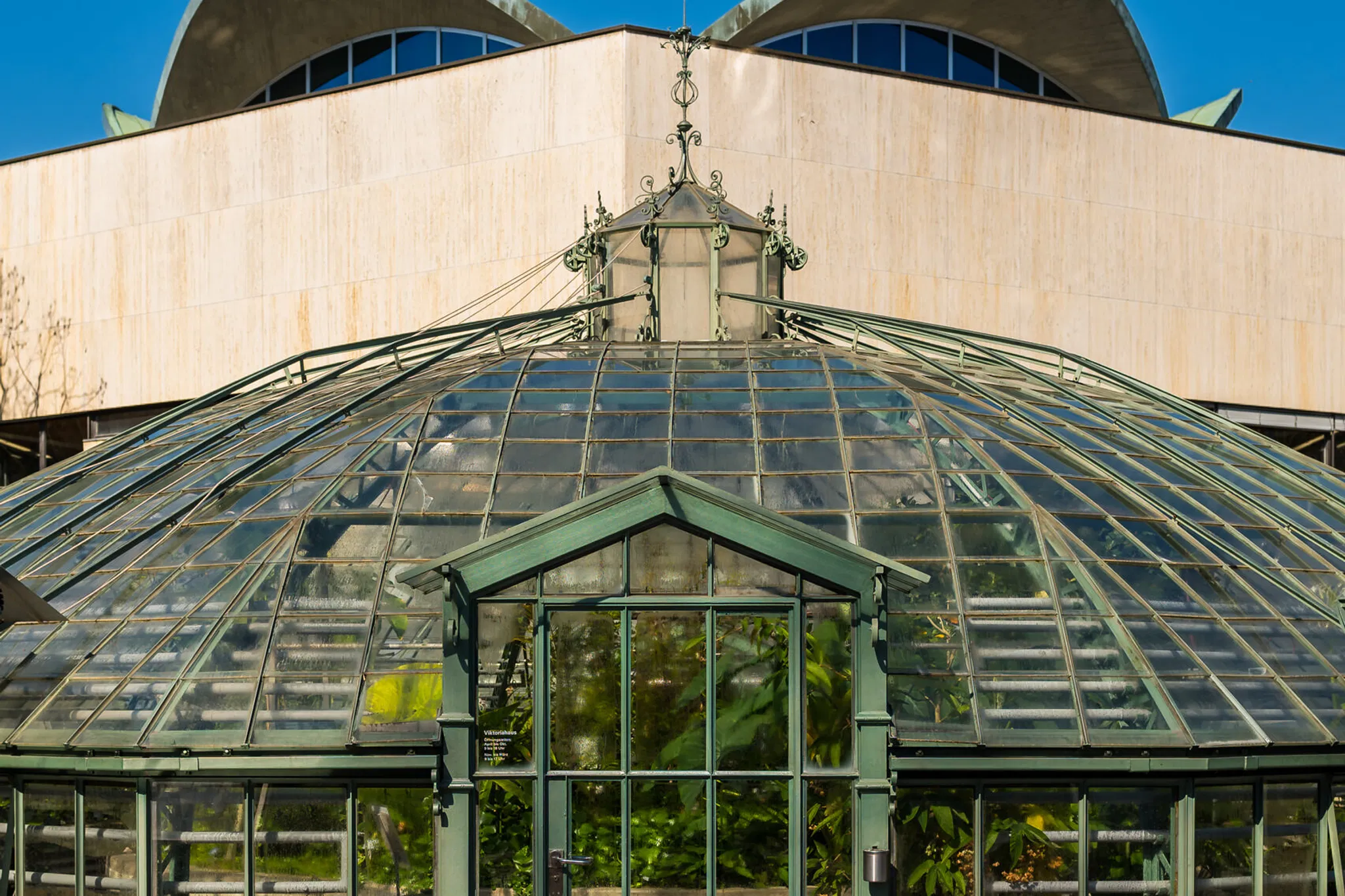
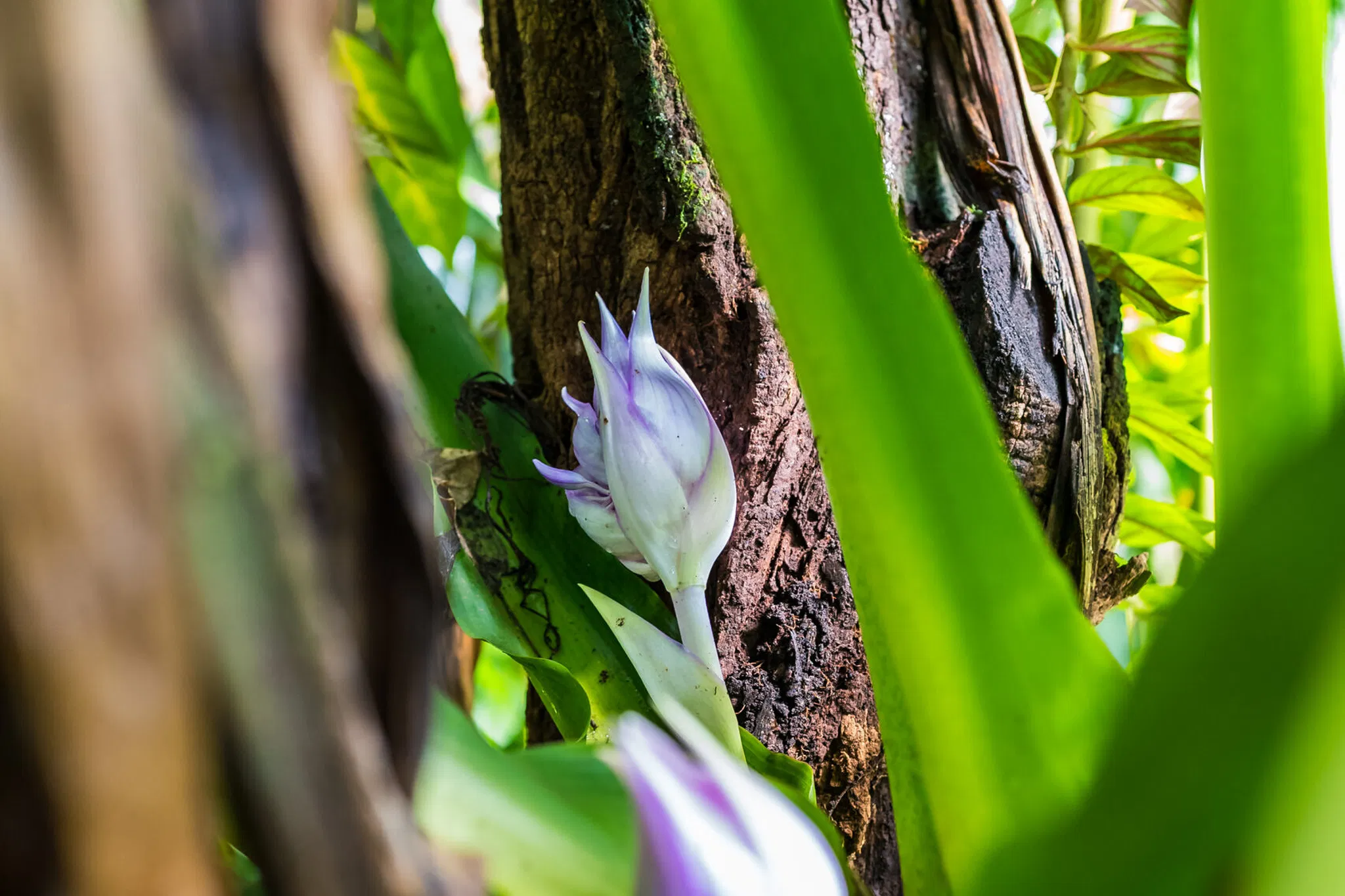
It is undoubtedly the exotic plants, with their wondrous flowers and enormous leaves, that attract the most attention in the Botanical Garden. Take the giant water lily ‘Victoria’, for example, for which the Victoria House was built in 1898. It produces leaves up to two metres in diameter. Or the titan arum, the largest flower in the plant kingdom, which takes months to develop but then blooms for just a few hours, emitting a terrible stench of decay. But even those who have never seen just how gigantic a sequoia is, or what the aerial roots of a swamp cypress look like, will find plenty to marvel at in the Botanical Garden.
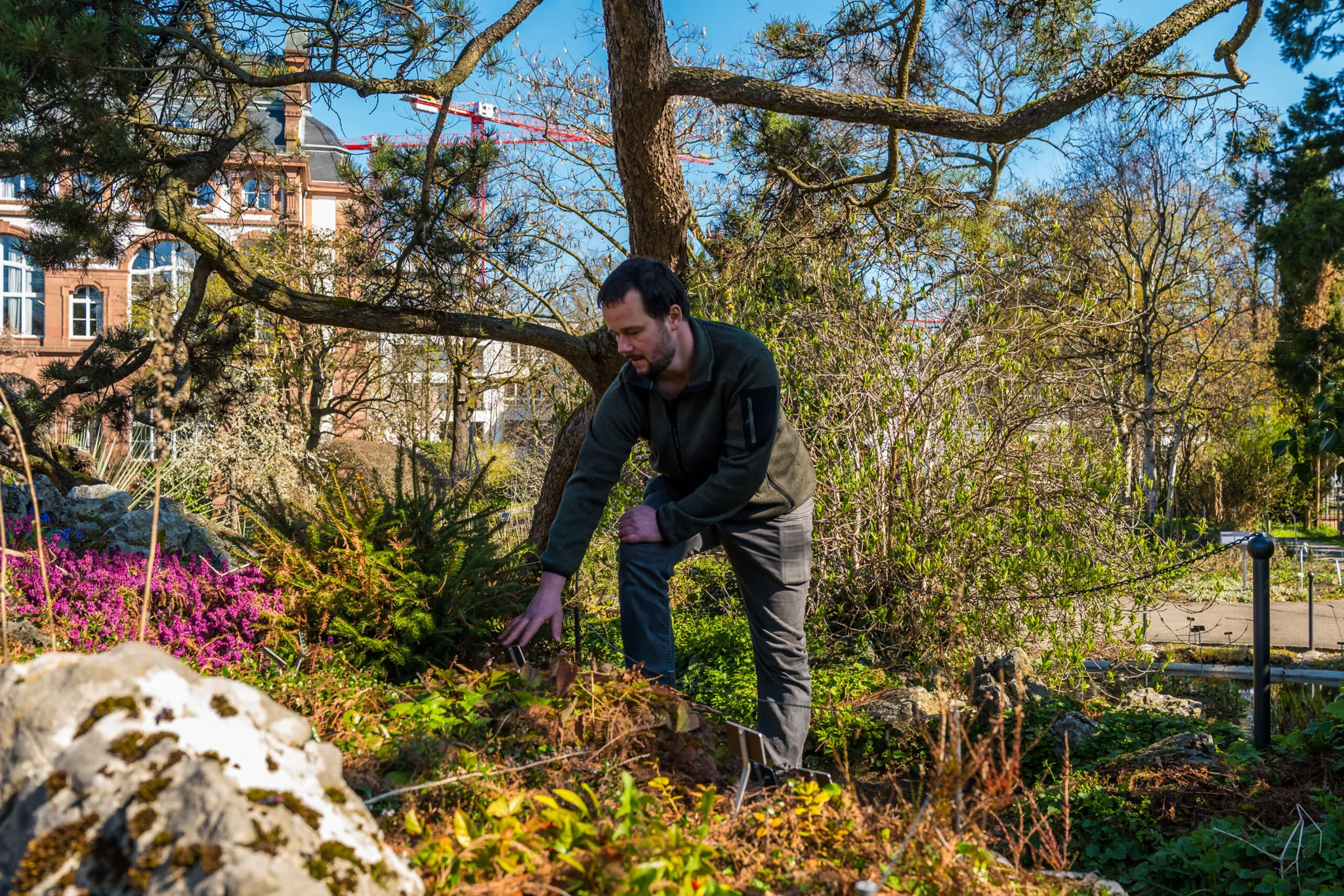
And that is precisely the aim here: to inspire wonder in people and impart knowledge about biodiversity – for example, during the public evening tours held during the summer months. “Biodiversity isn’t particularly high, especially in Europe,” explains Marin. “You can see just how much more lush the vegetation is in other climate zones here in our Botanical Garden, where you can take a journey around the world.” Such a journey naturally offers relaxation too: Once you’ve walked through the Fern Gorge, the Primeval Garden, the humid heat of the Tropical House or the cooler Cloud Forest House, your mind is already on other things. All that greenery has a calming effect, and the fresh air is relaxing. One moment you imagine yourself in the Amazon, the next in the Rocky Mountains, the Canary Islands, the Congo Basin or the Andes. It is incredibly beautiful where the pepper grows, where cocoa, coffee, and rice thrive. One should stroll through this garden much more often and take in the incredible diversity of the world.
Botanical garden Basel
Spalengraben 8 – botgarten.unibas.ch