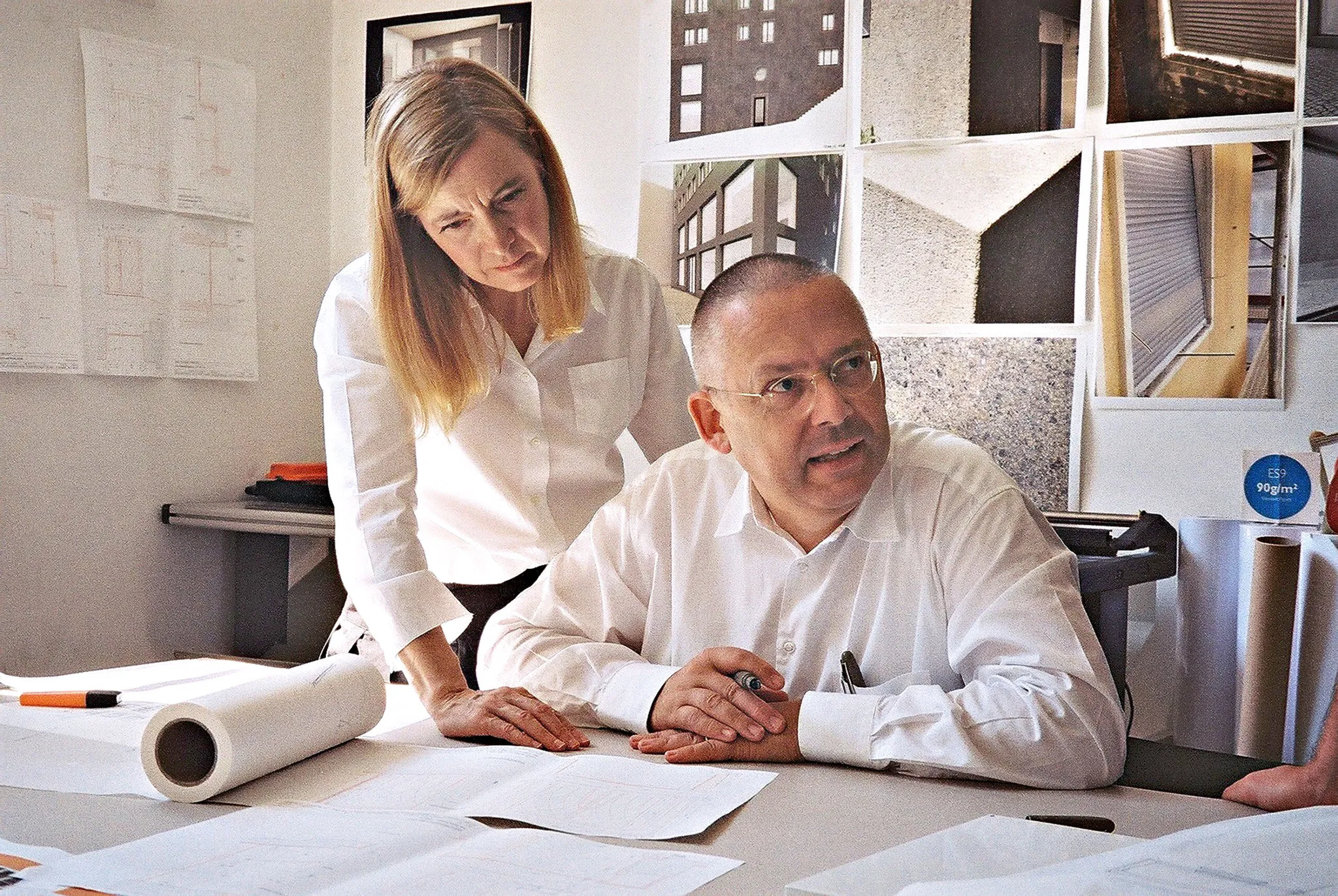
The reconstruction of the high-rise at the Heuwaage, the renovation of the Globus department store and constructing the highrise building in the new Baloise Park next to the main station in Basel – the Basel architectural firm Miller & Maranta are extremely busy at the moment. The fact that Paola Maranta and Quintus Miller are nevertheless willing to make time for an interview about architecture in Basel does them credit. As does the fact that they reflect on the issues of identity, change and the future as part of their architectural design.
The population of Basel is growing but space is limited. Where is there still room for the city to expand?
Quintus Miller: The city is really throbbing and changing incredibly quickly at the moment: New dwelling and working spaces are going to be created at the Wolf areal and the Lysbüchel. But that will probably not be enough. Densification will result closer to the city centre too as a result of the demographics.
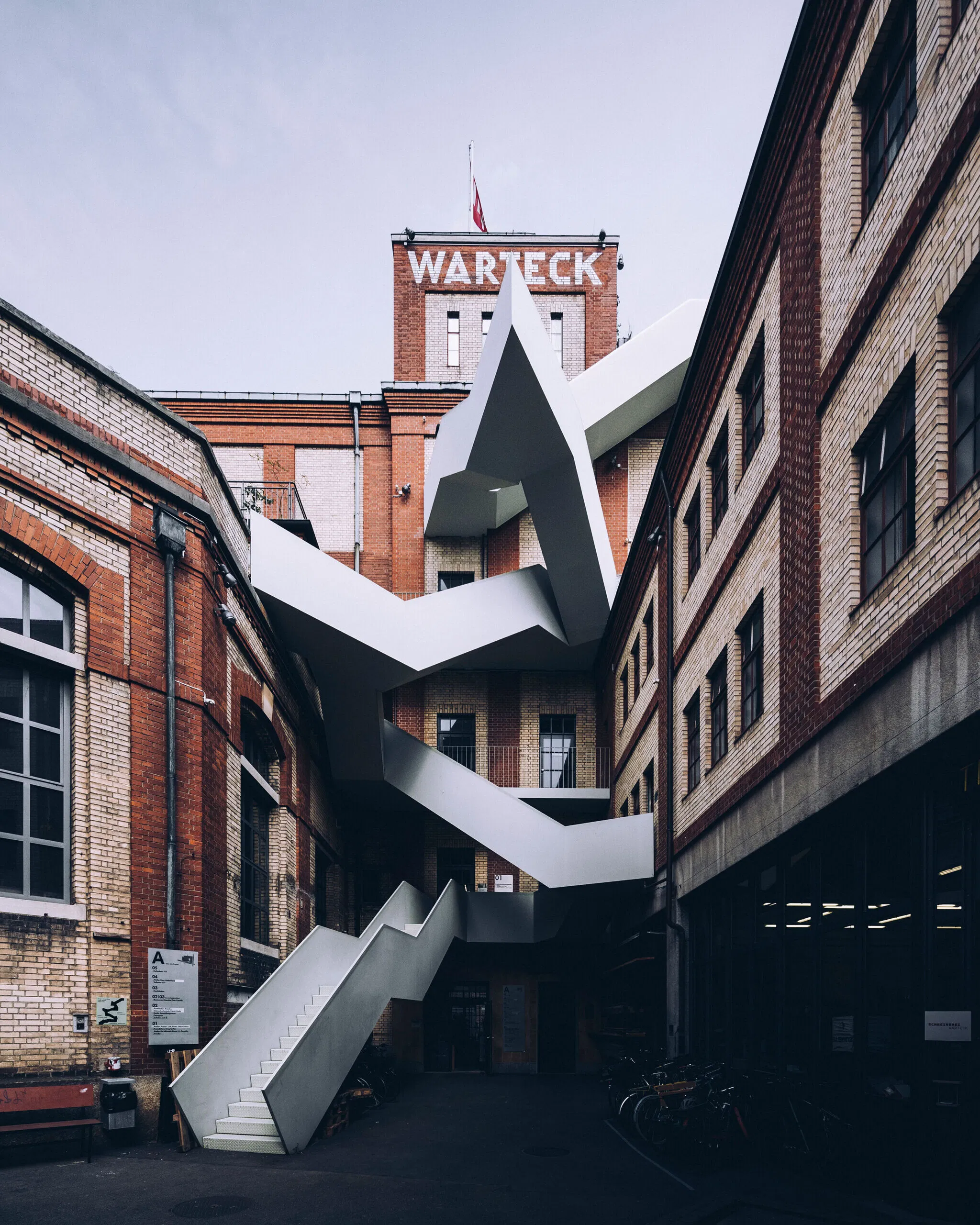
 © Bundesamt für Kultur / Gina Folly
Lofts or tiny houses – which direction is more likely?
Quintus Miller: We need both. Society consists of the entirety of people living here with all their very different requirements. We have to provide solutions that suit everyone. But the same time we can’t lose sight of the fact that the structure of society is constantly changing.
Paola Maranta: Flexibility is key, as the current crisis has made very clear. We have different needs in the different phase of our lives and their corresponding ways of life. Ideally, housing would be constructed to a flexible plan, so that as a resident you could expand or shrink your living space to suit.
Will this scenario alter the urban landscape?
Quintus Miller: I find the concept of an urban landscape a difficult one. It is not just about a cityscape like one on a picture postcard. The city is far more than that, a complex spatial framework. It is the streets, the squares and buildings which reflect the way we live and work. The city will grow and densify. But it has to do so in a harmonious balance with society.
Paola Maranta: This transition requires a relevant critical discourse, so that the changes it brings can meet with acceptance. This in turn will mean the city represents its citizens, that it has its own identity.
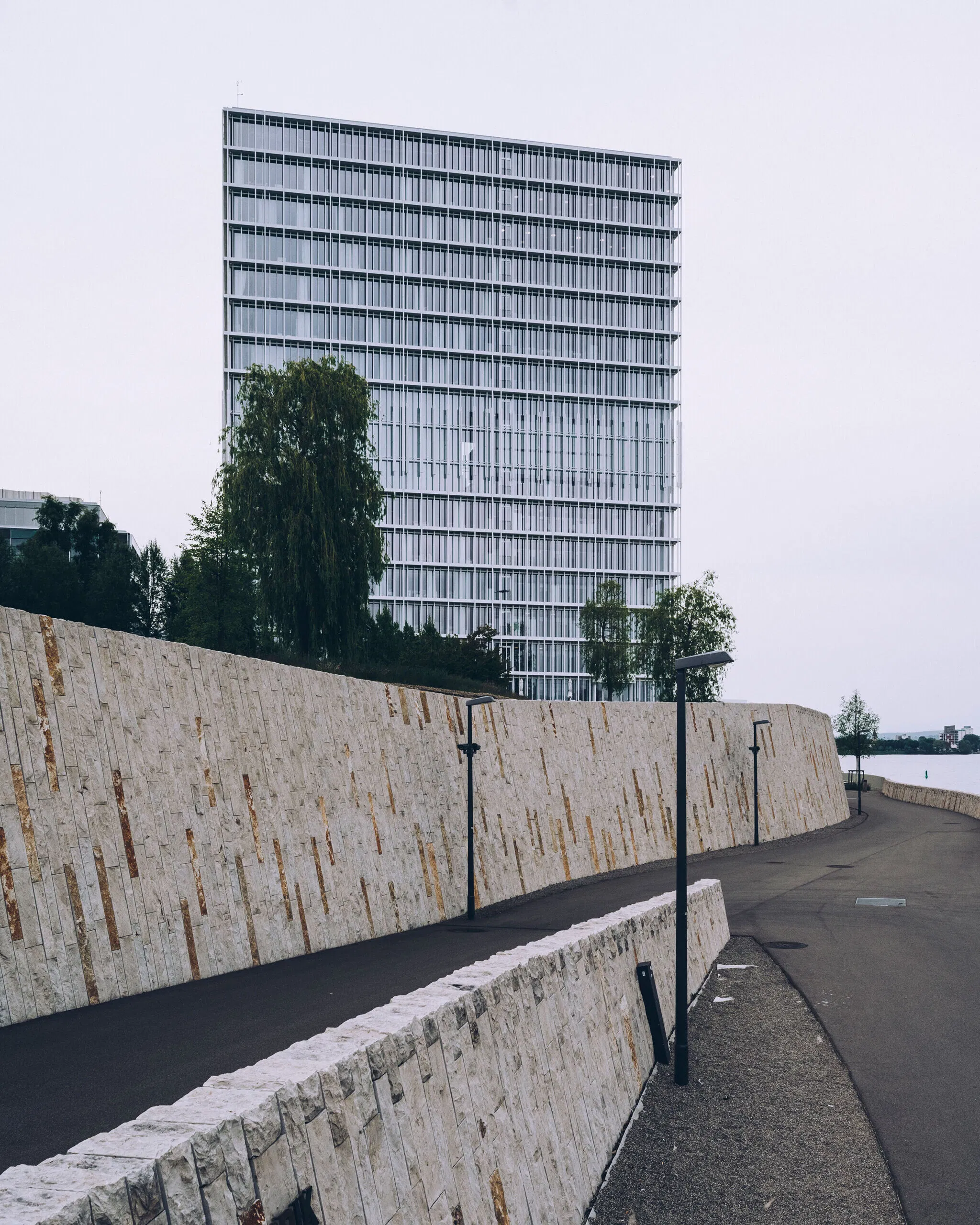
And of course, the resistance is especially strong if an old building is going to be torn down.
Paola Maranta: It is often not easy to deal with change, because we lose things we are familiar with. But that is what happens in the course of time.
Quintus Miller: The city of Basel has cultivated its identity over the last 1,000 years and changing this is a delicate task. But there are ways to change and still take history along with you. As architects we are constantly asking ourselves: What creates a sense of identity and is relevant, and what is obsolete? And yes, sometimes buildings do have to be replaced. But that will probably never happen to the cathedral, for example.
Did you build the house you live in yourselves?
Paola Maranta: No, we wouldn’t be able to build a house for ourselves. We cultivate a culture of dispute in our project development. Arguing about our own house as well would be a bit too much for us. We live in a listed building from the 1930’s that can’t really be changed at all. And that is a good thing.