There is a corpse, prostrate in the cellar. Pallid toes peeking out from beneath a blue cover. We are deep underground, far below the earth’s surface, in a subterranean corridor connecting the main theatre and its subsidiary, the playhouse (Schauspielhaus). In fact, we are even below the groundwater level, which explains the damp patches on the concrete. Every now and then water drips from the ceiling. Not a problem for the corpse lying there. What is above, what is below? What is simulated, what is real? Here, at Basel’s theatre, behind, below, above the stages, the boundaries are blurred. Which is precisely why I have come.
It is this world between that fascinates me. The scarlet velvet curtains, the sweeping rows of the audience, the glamour, the cries of bravo! And the applause; I am already familiar with front-of-stage. I am here to discover what is hidden behind it. I set off in the company of Anja Adam, the lady with the master key. She started her career teaching musical theatre and dramaturgy, and is now the co-director of “Theatre Public” and a member of the theatre’s management board. “I have been with Basel Theatre for eight years now and yet I still keep discovering rooms I’ve never seen before,” she tells me with a laugh. No wonder really, because what you do not notice from the outside, is that Basel’s theatre is spread over 12 floors, and six of them are subterranean. A thousand people work here, five hundred of them are permanently employed. Seventy different professions, people from 30 different nations, all work to ensure that a different play can be performed here each evening.
Tales of forgetting the ticket office and velvet teasers
Anja meets me at the theatre square, which has no official name because it is simply the roof over a multi-storey carpark and cannot really be used for anything due to structural considerations. We enter a gloomy side entrance which takes us straight to an historic iron gate. The sandstone of the Church of Saint Elisabeth meets the concrete of the theatre here. “Preservation of historic buildings in the 1970s? Forget it,” laughs Anja. “The theatre was constructed wall-to-wall with, the church. But a door from the theatre leads directly into the crypt of the Merian family.” In fact, this building designed by the architects Schwarz & Gutmann, has a few unusual features. The huge concrete roof, designed in the style of the roof of a circus tent, is only 12 centimetres thick at its weakest point. “The architects had never designed a theatre before. Which is why they forgot to include a ticket office. It was added later but was much too small. So now it is inside the theatre,” explains Anja. What was not forgotten was the nuclear bunker. It stretches over a wide area of the basement, divided up by countless doors, has built-in showers and sanitary facilities – a slightly eerie labyrinth which is now used to store costumes.
“Fourteen members of staff are required each time a new curtain has to be hung.”
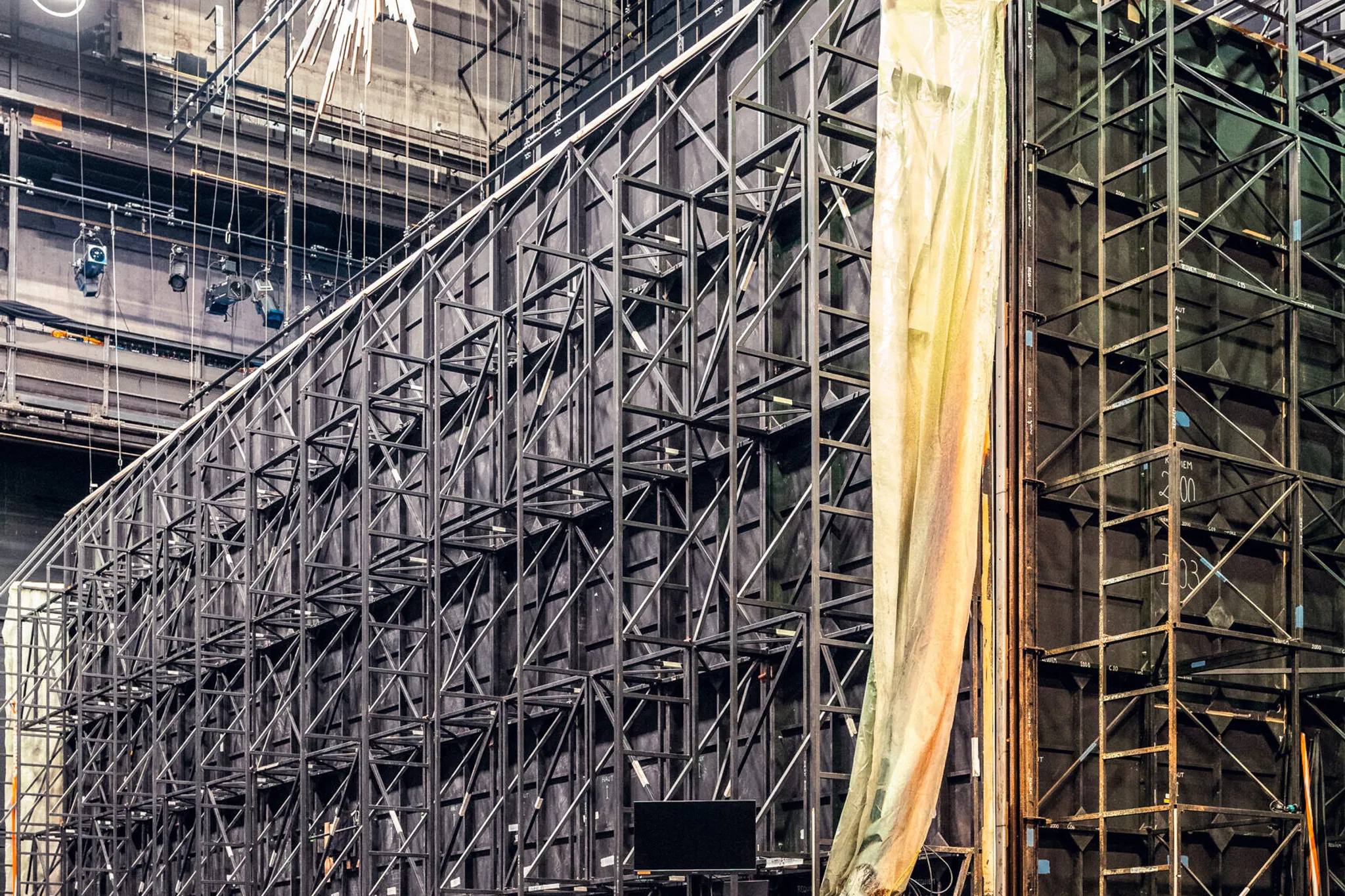
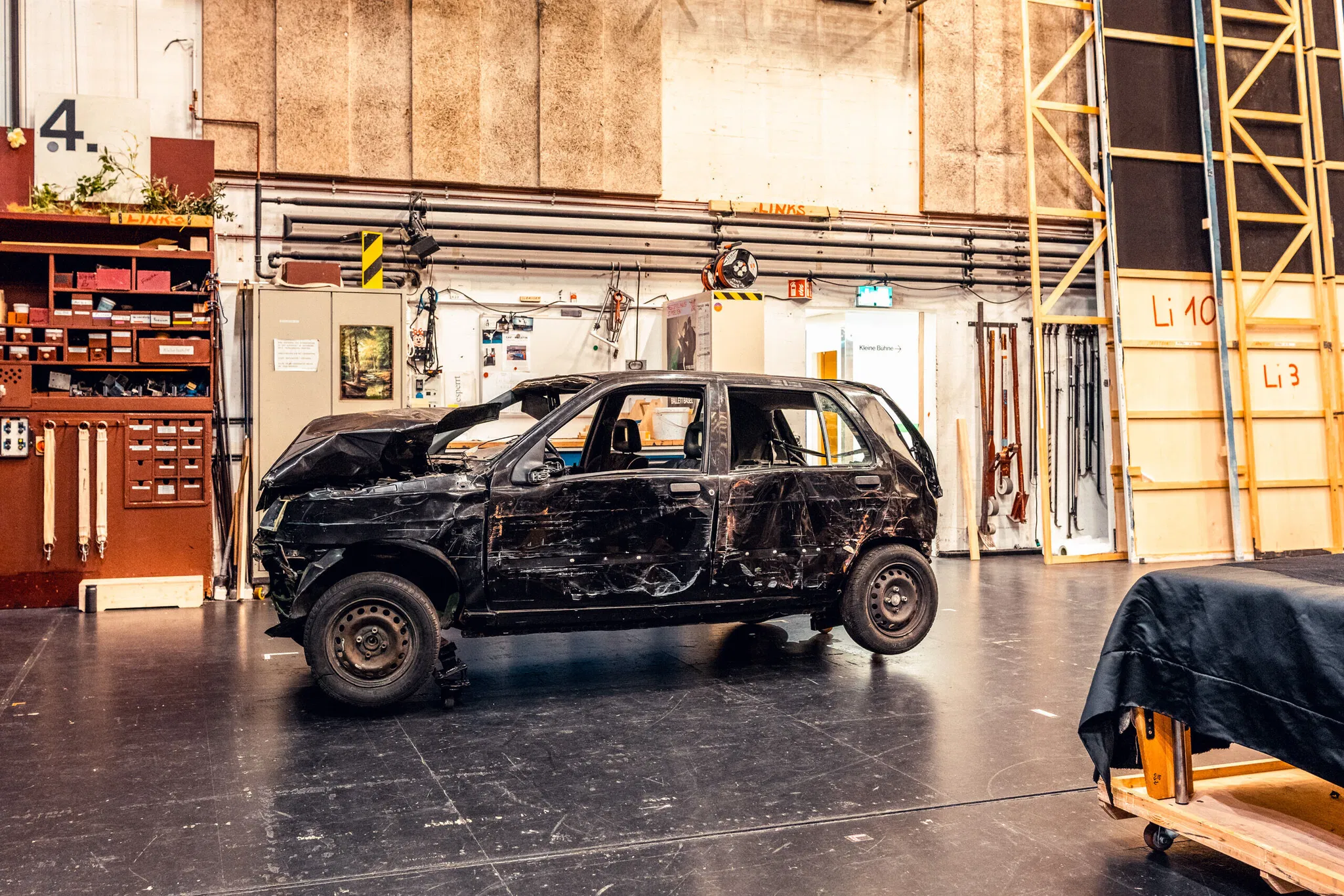
The main stage is surprisingly vast when viewed from behind. “It is precisely double as high and twice as deep as the area that can be seen from the auditorium. This is so the stage sets and the curtains can be raised and lowered into the stage floor,” Anja is whispering now because a lighting rehearsal is in process and silence is required. The 412 spotlights have to be readjusted before each production. There is a notice on the wall in large letters: Keep this wall free. Metal components used in the current ballet production obscure some of the notice. We pass a car crash (a prop) and step over a couple of metal pipes to enter a narrow doorway into a darkened room: where the drapes are stored. Fabrics rolled up as far as the eye can see. Numbered and labelled as “velvet teasers”, “gateway curtain” and “opera foils”. “Fourteen members of staff are required each time a new curtain has to be hung,” Anja tells me. And then I notice the most enormous lift I have ever seen: 8.8 metres high. It is used to transport replicas of houses, aeroplanes, and railway carriages. Even a giraffe would have plenty of headspace here.
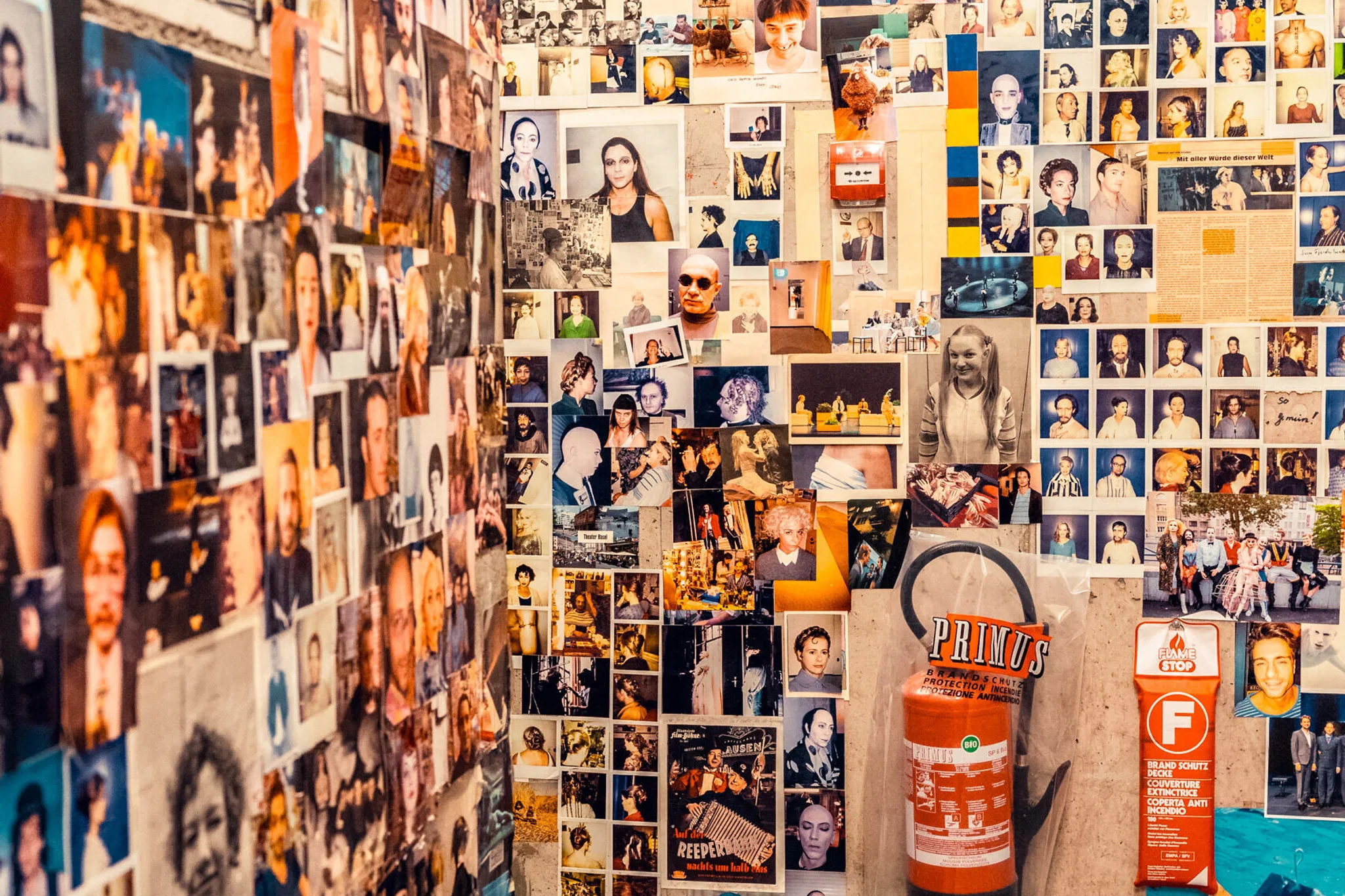
Experts creating dreamscapes
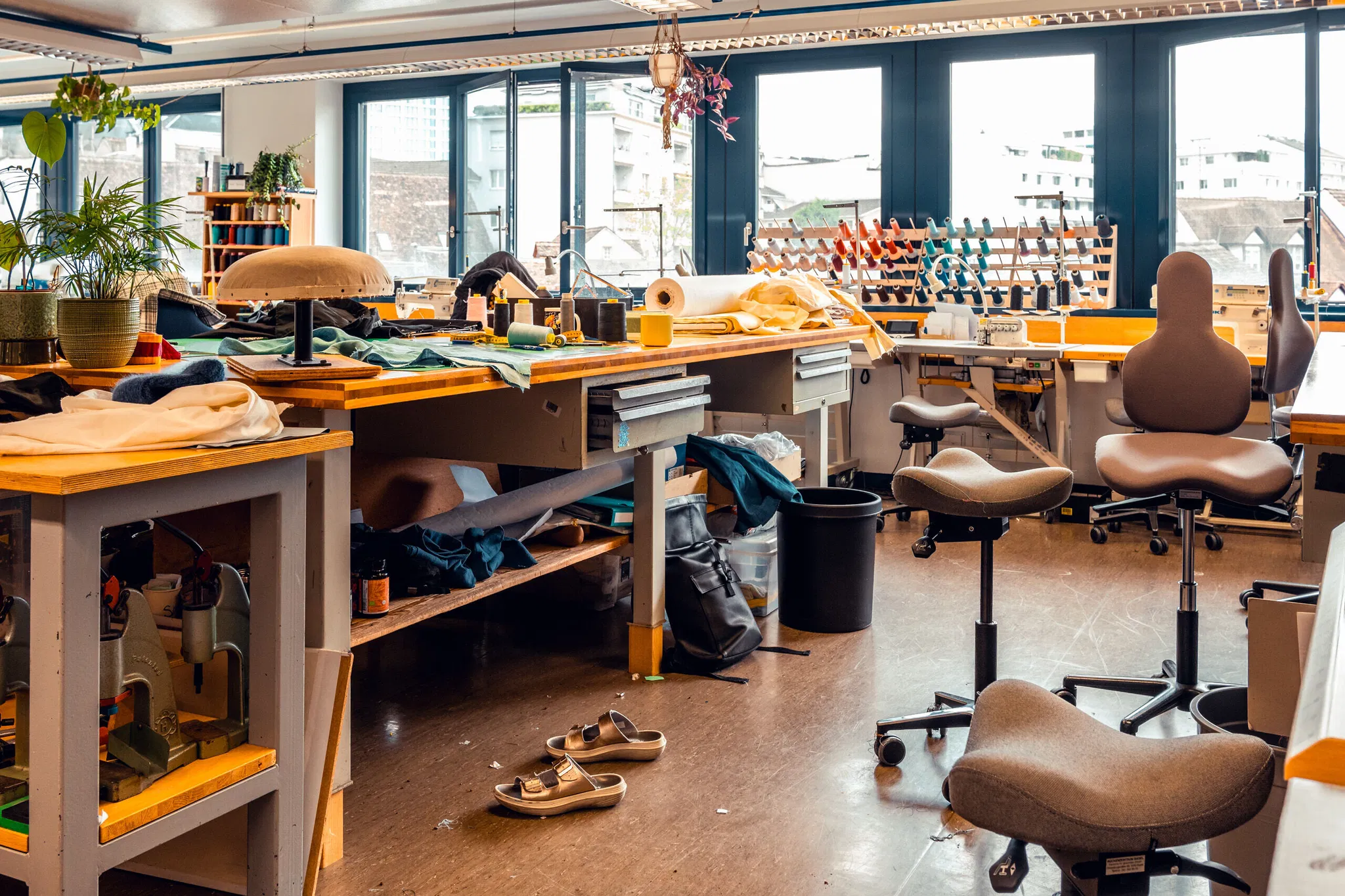
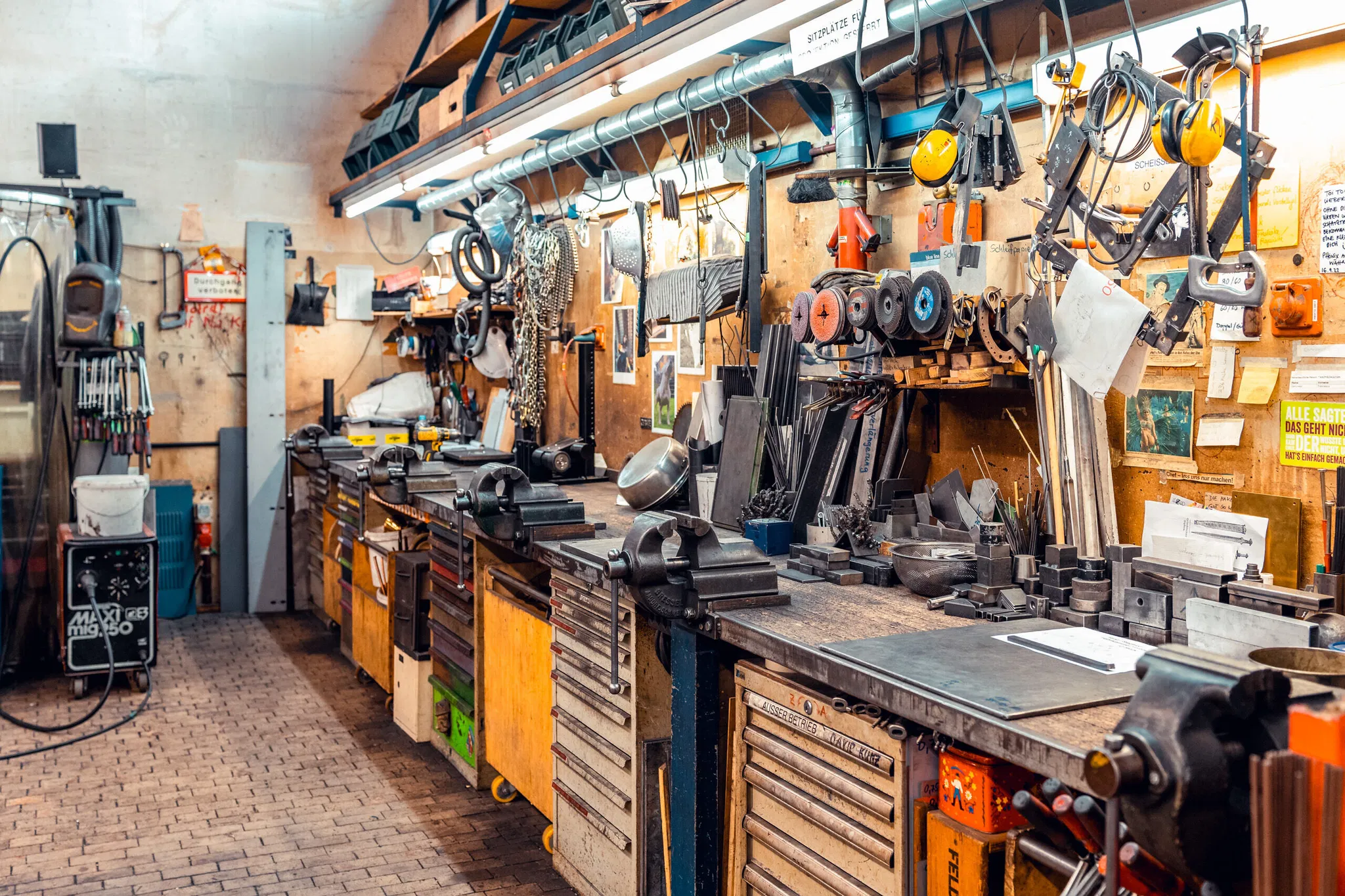
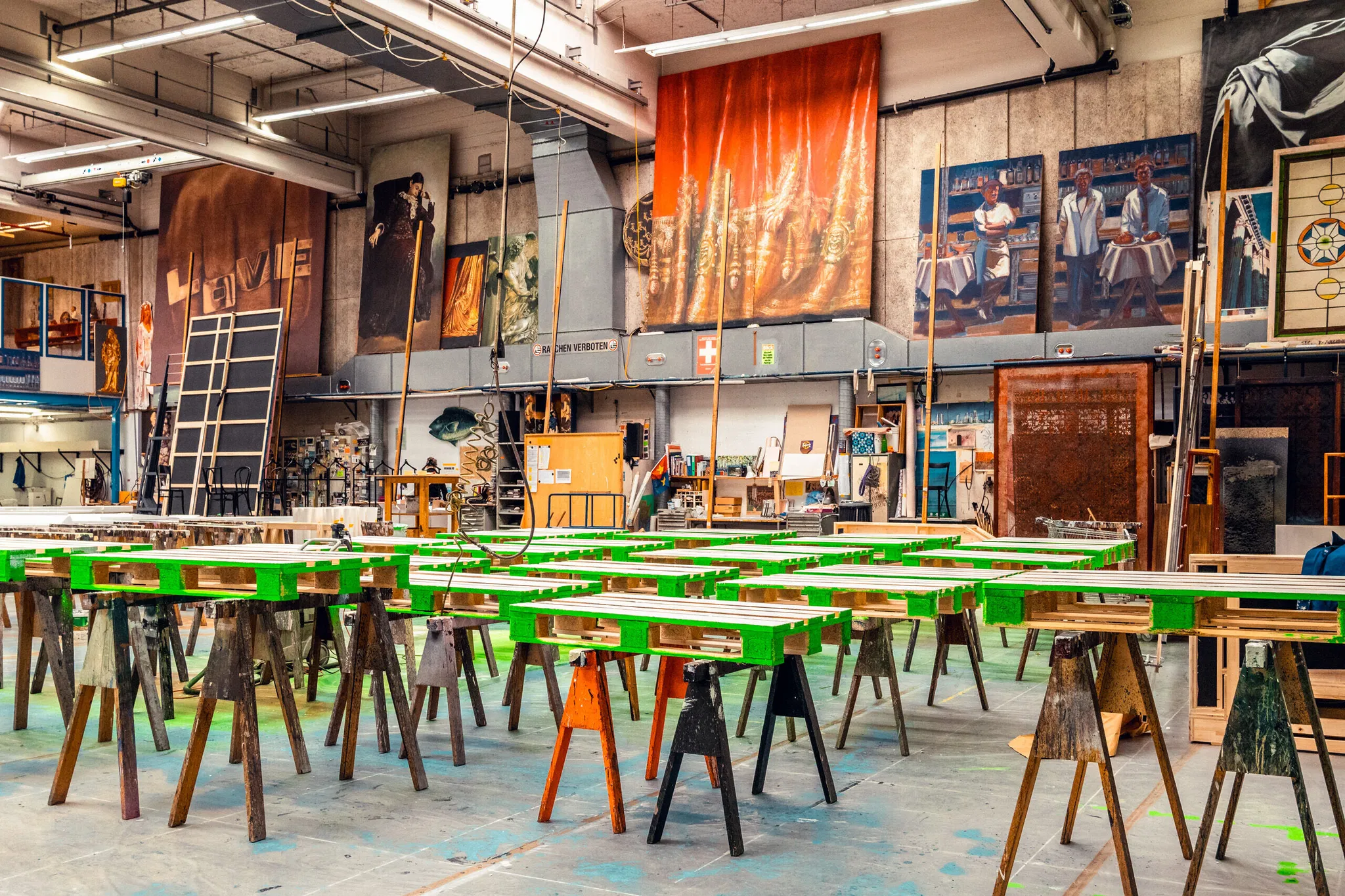
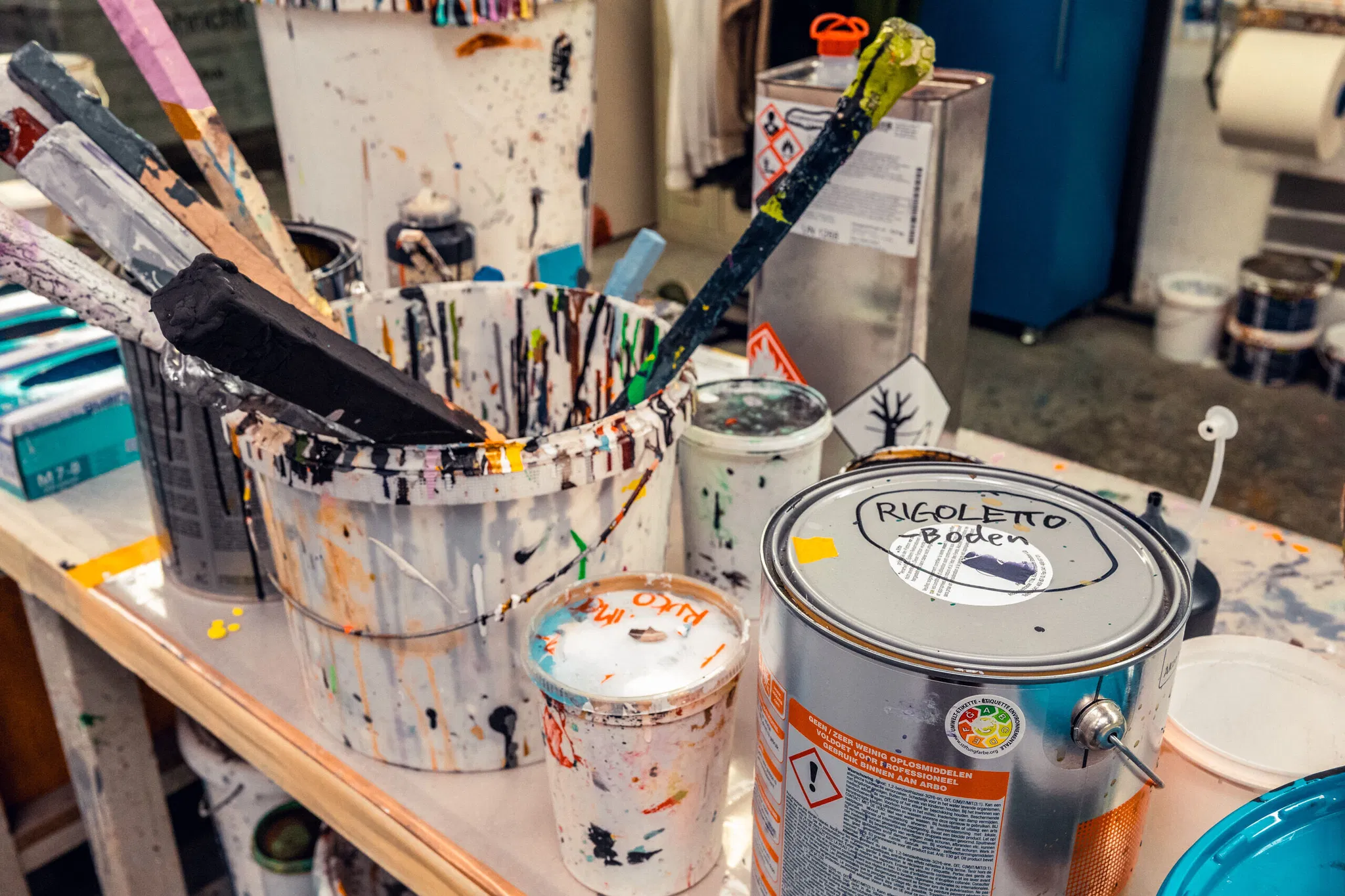
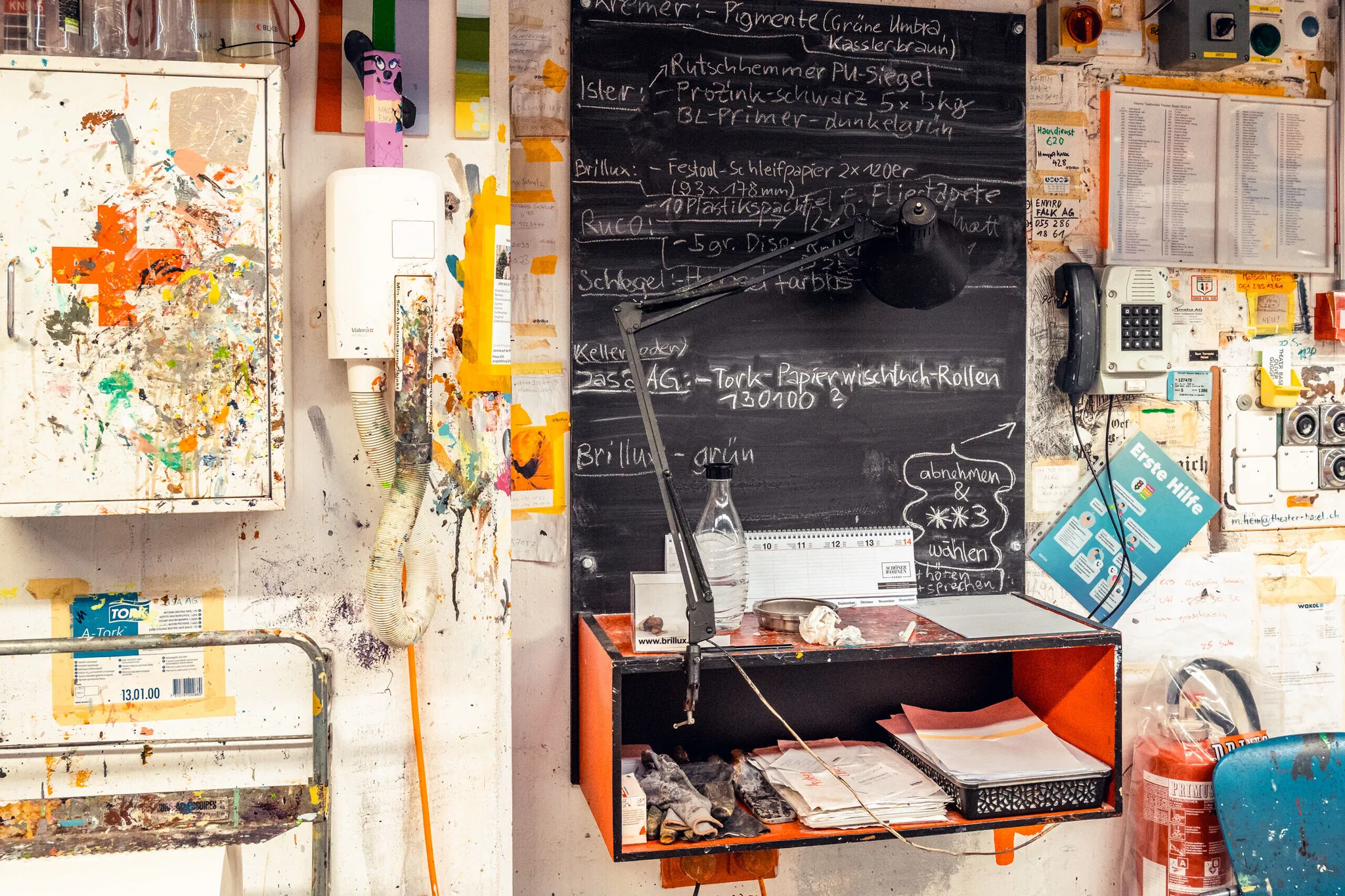
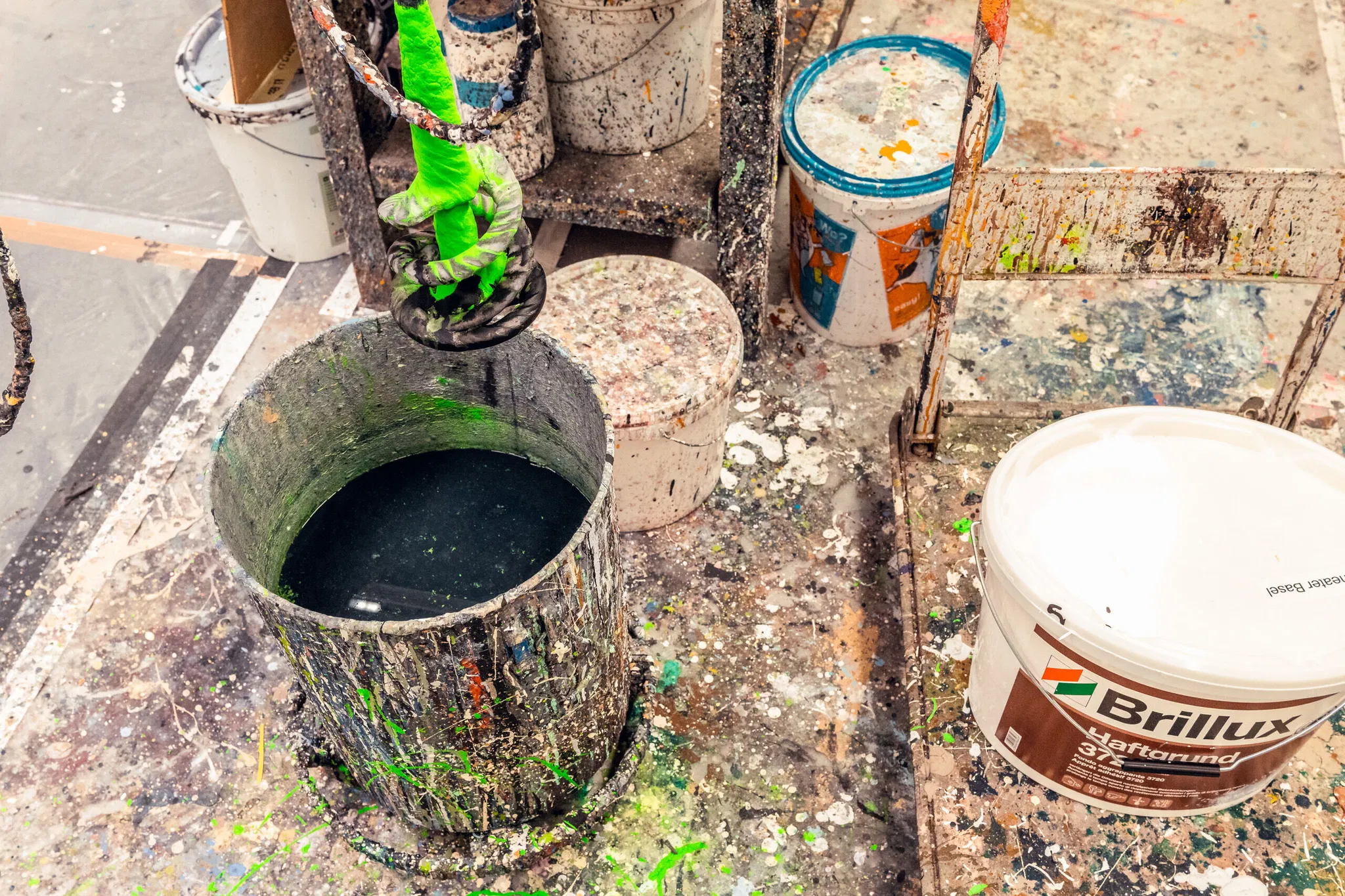
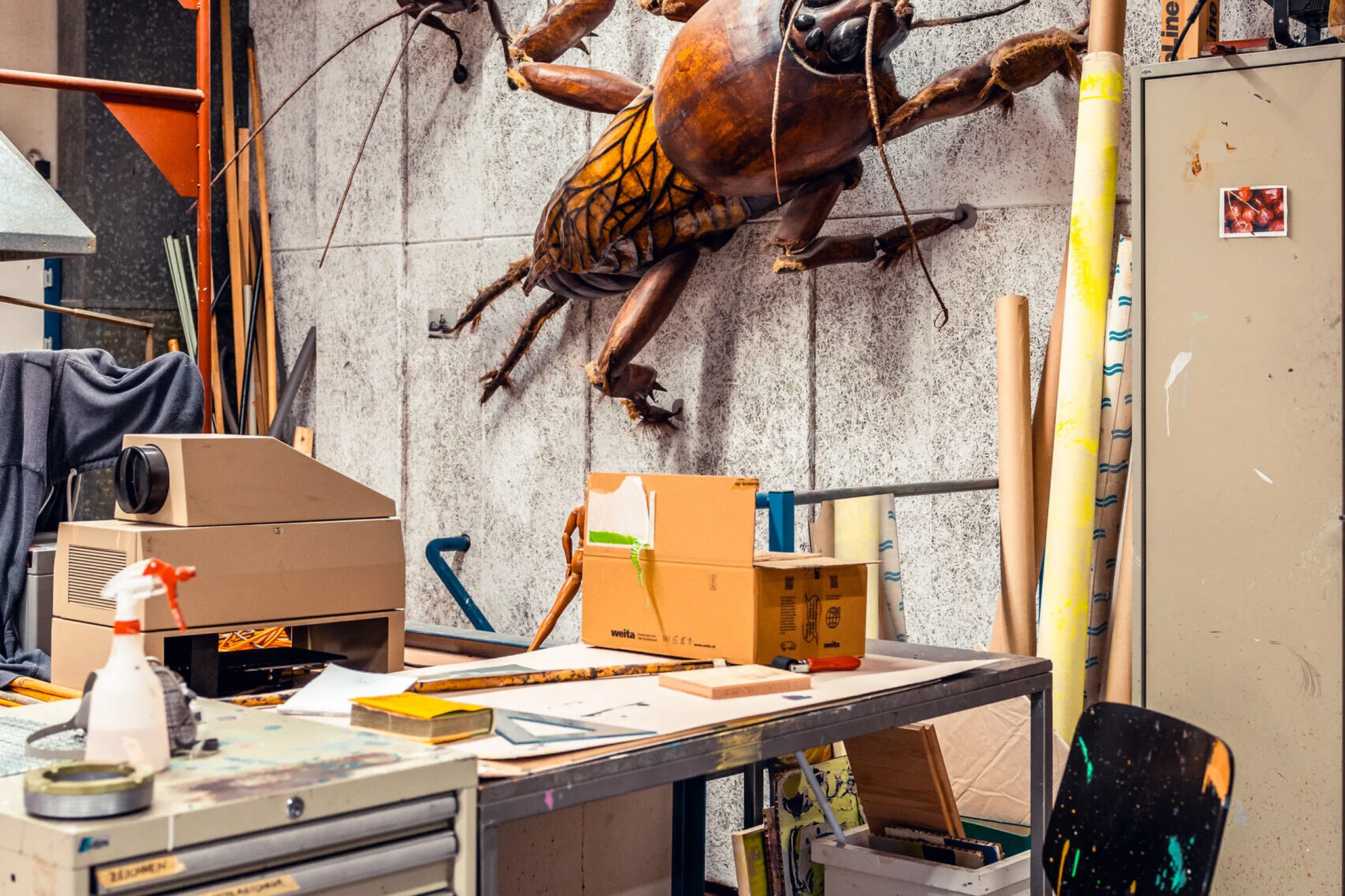
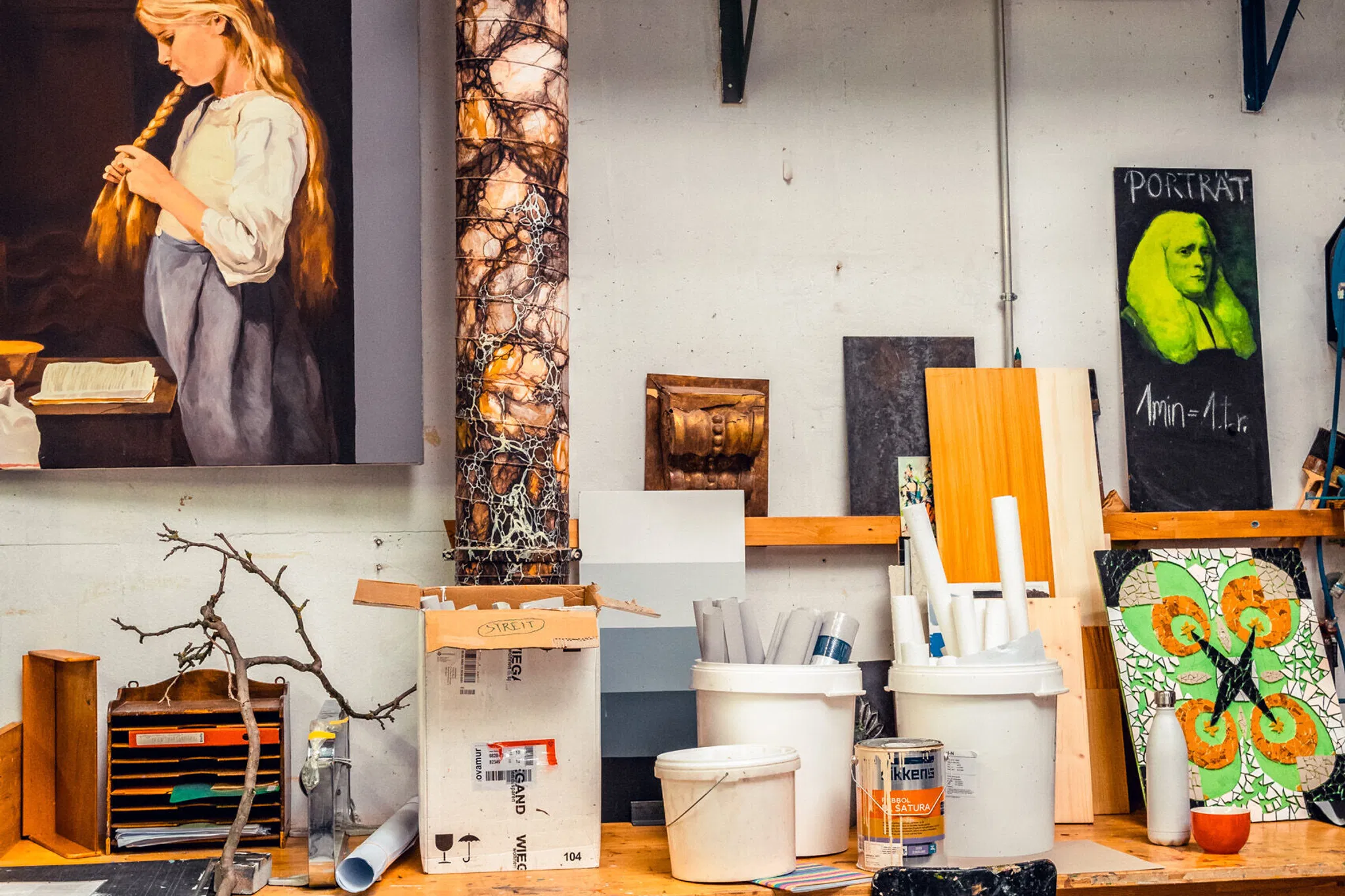
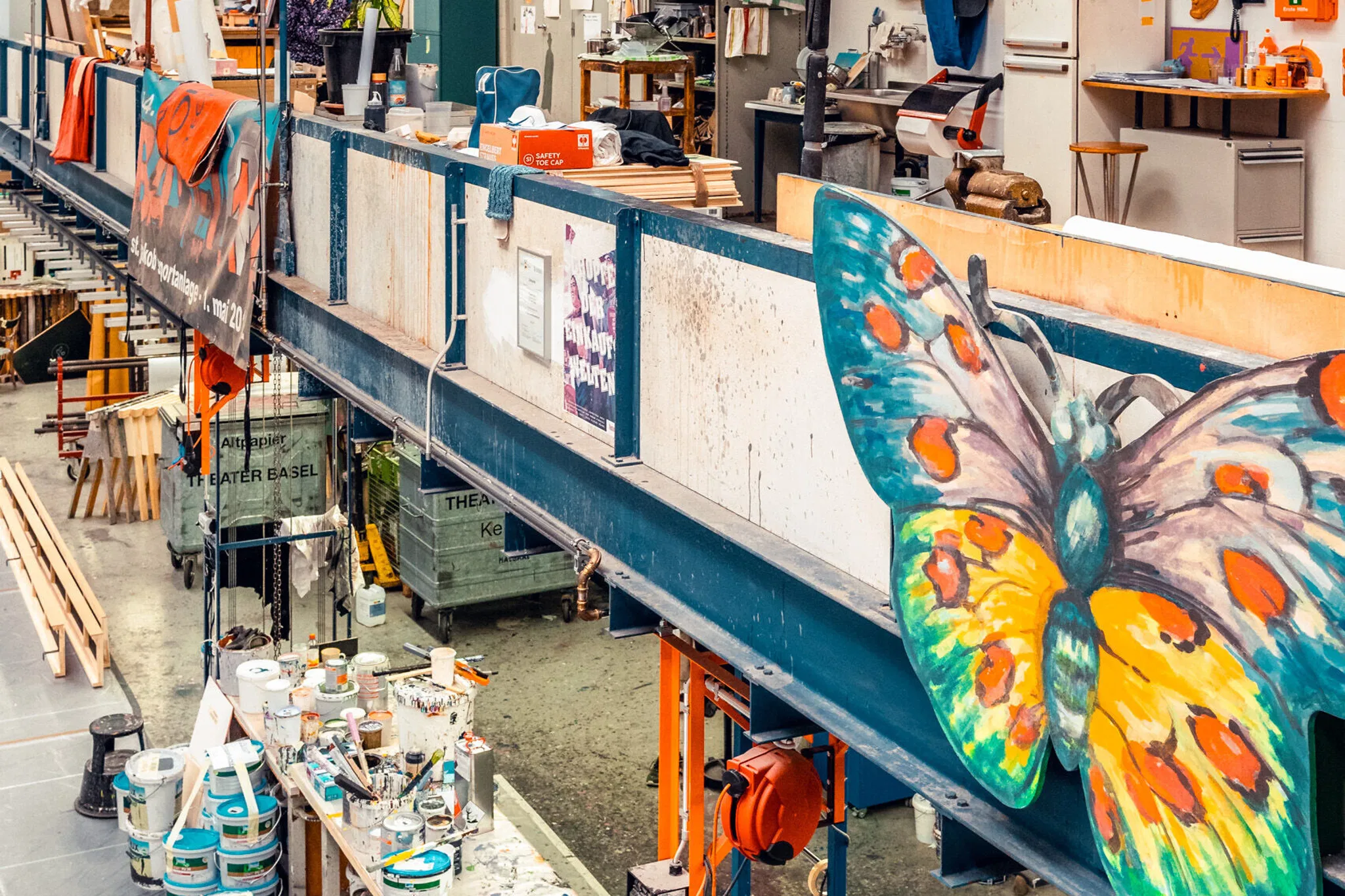
This monstrous lift transports us down into the depths of the catacombs. And now things get noisy. The screech of saws, whine of sanding machines, hammering. We are down in the workshops. Draughtsmen, set designers, sculptors, carpenters, metalworkers – they are all working on the stage sets here. Around 25 new sets are needed each season. “Each morning, the stage set from the previous evening is dismantled and the stage prepared for the rehearsals. Then in the afternoon when the rehearsals are finished, everything is cleared away again and the stage is set up for the evening performance. It is all very labour-intensive – but it’s wonderful for the audience!,” says Anja. In the paint shop, directly below the glass pyramids next to the church, she points out the net spanning the ceiling. “That’s because of the children who like climbing around up there on the pyramids; we sometimes get sudden showers of gravel and bits of mortar down here …” The walls are full of paintings: Rembrandt, Anker, van Gogh? No, they are the graduation works of the apprentices. And effigies everywhere: a golden ear, a dragon’s head, cockroaches, a white shark. A rhinoceros who has speared a monumental orange. The easels, tables, chairs, and floor are all splattered with paint. I can hardly tear myself away.
“Hardly anything here is real. But everything looks real.”
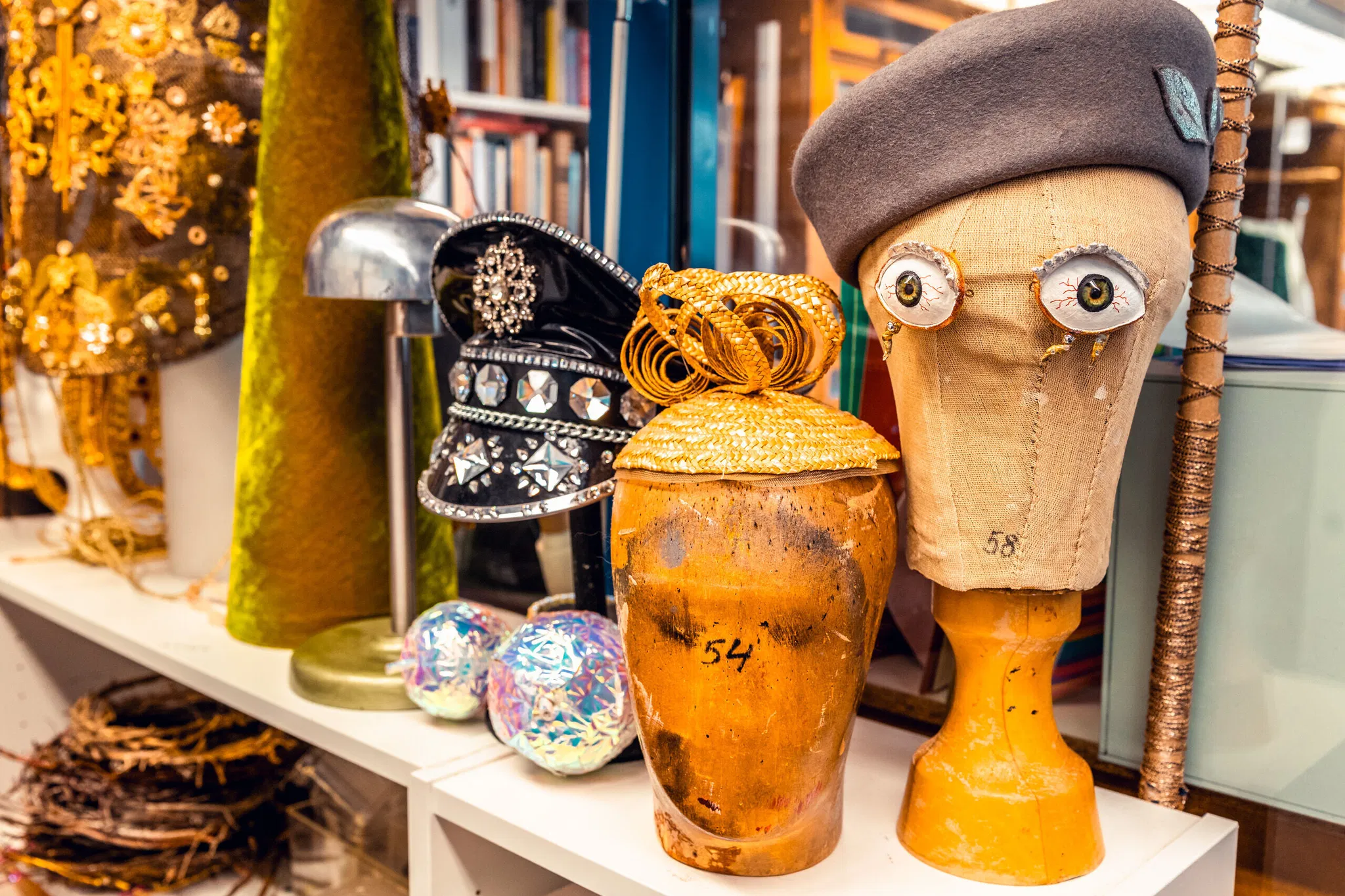
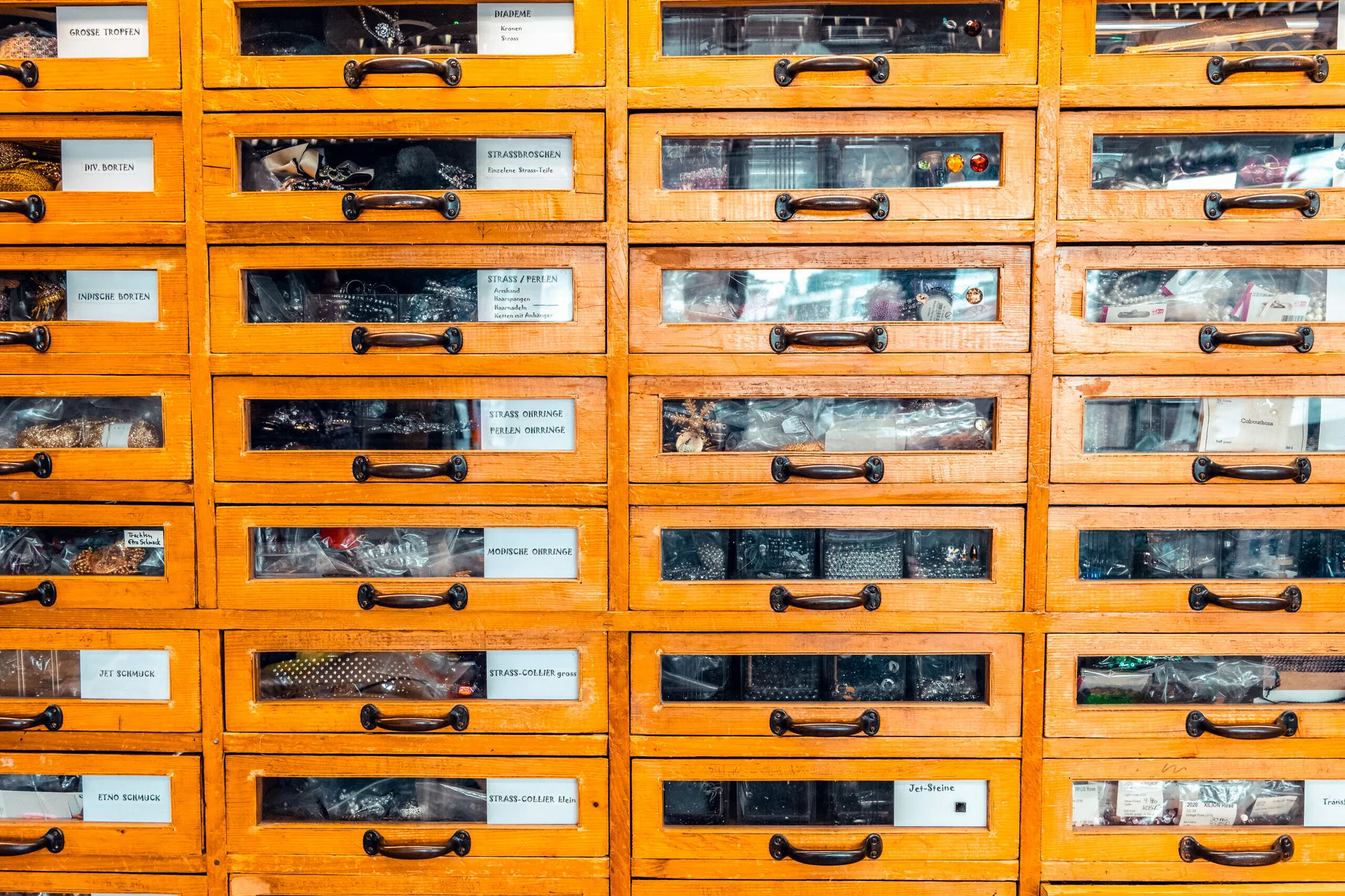
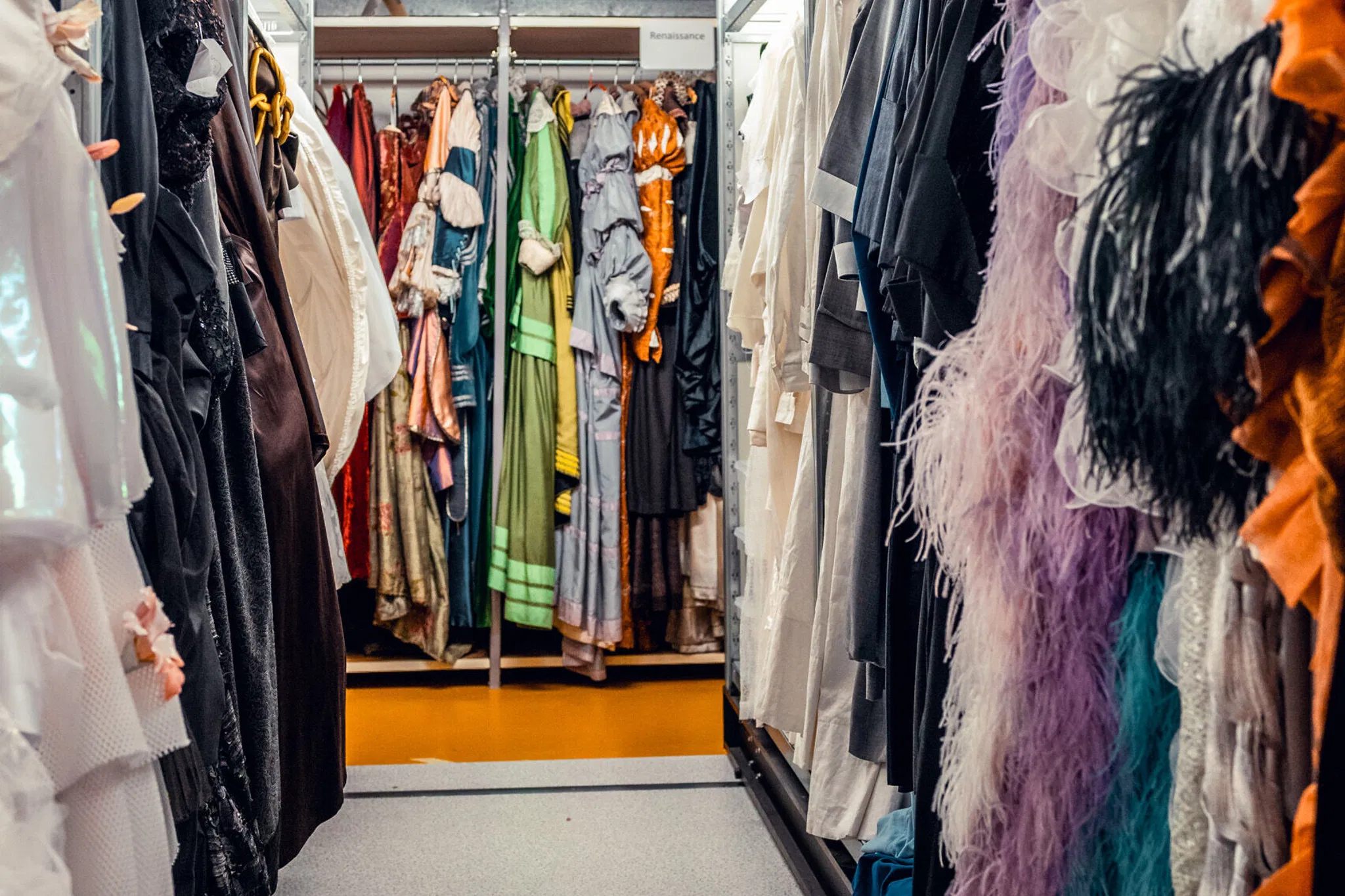
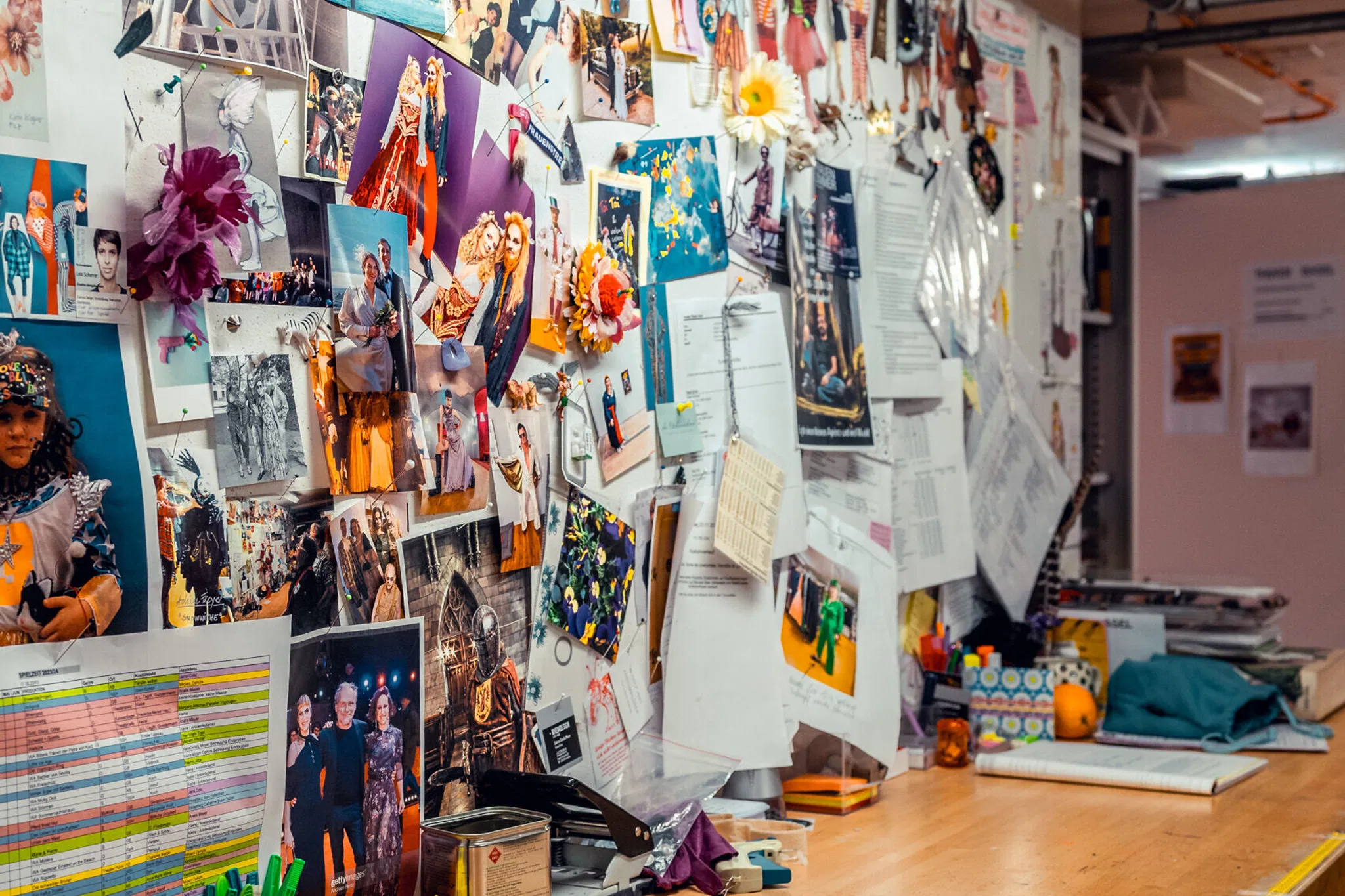
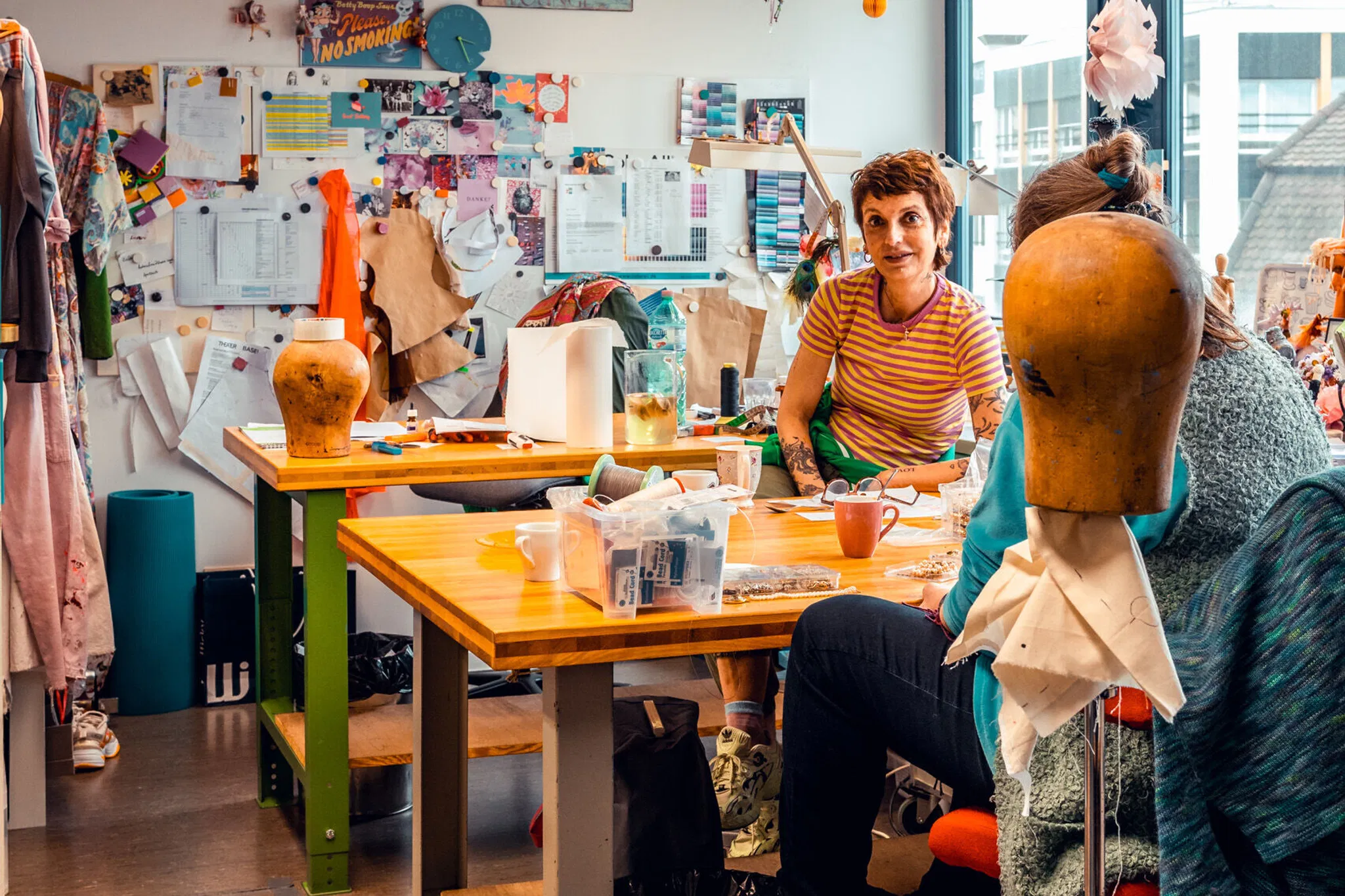
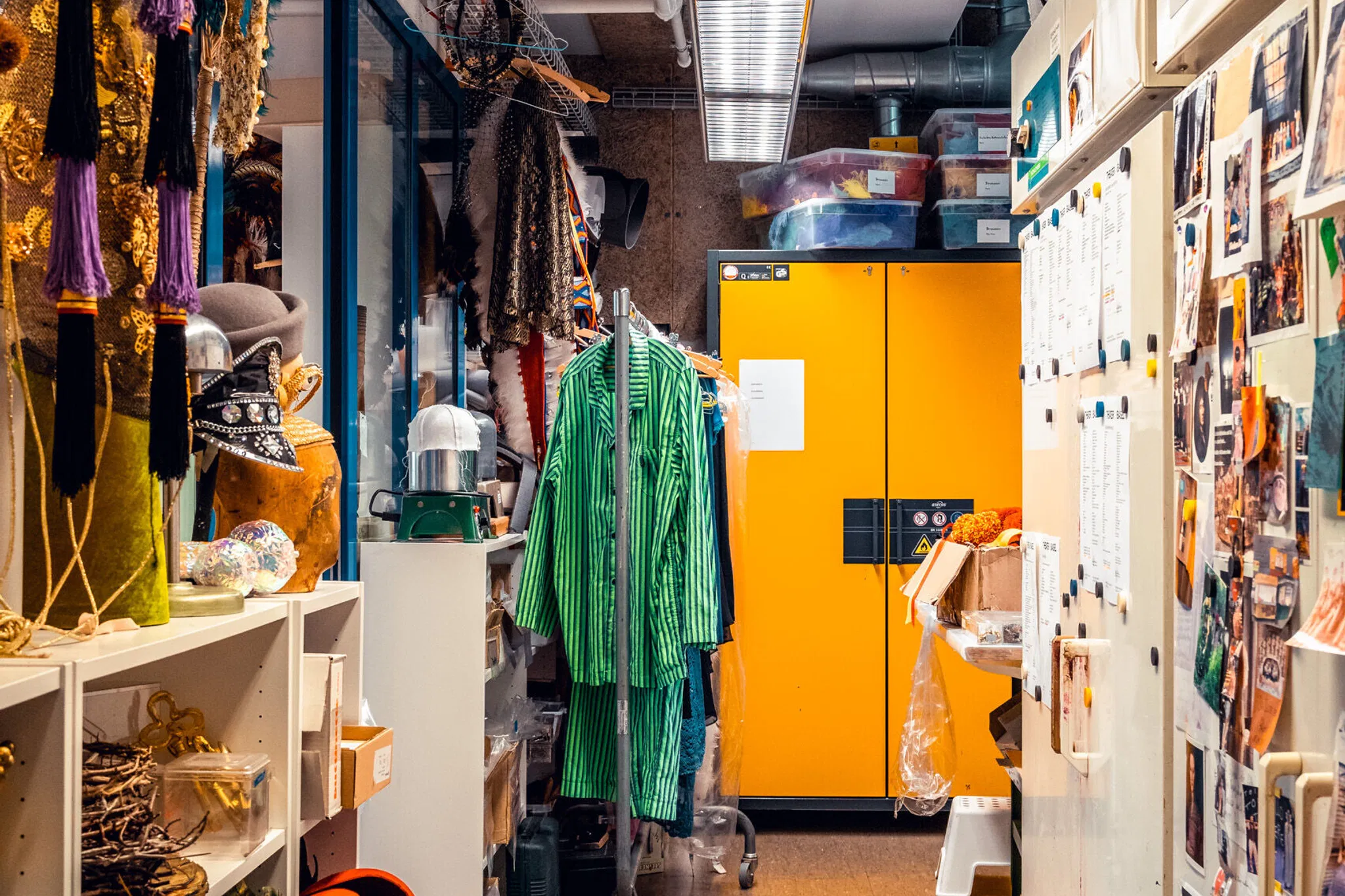
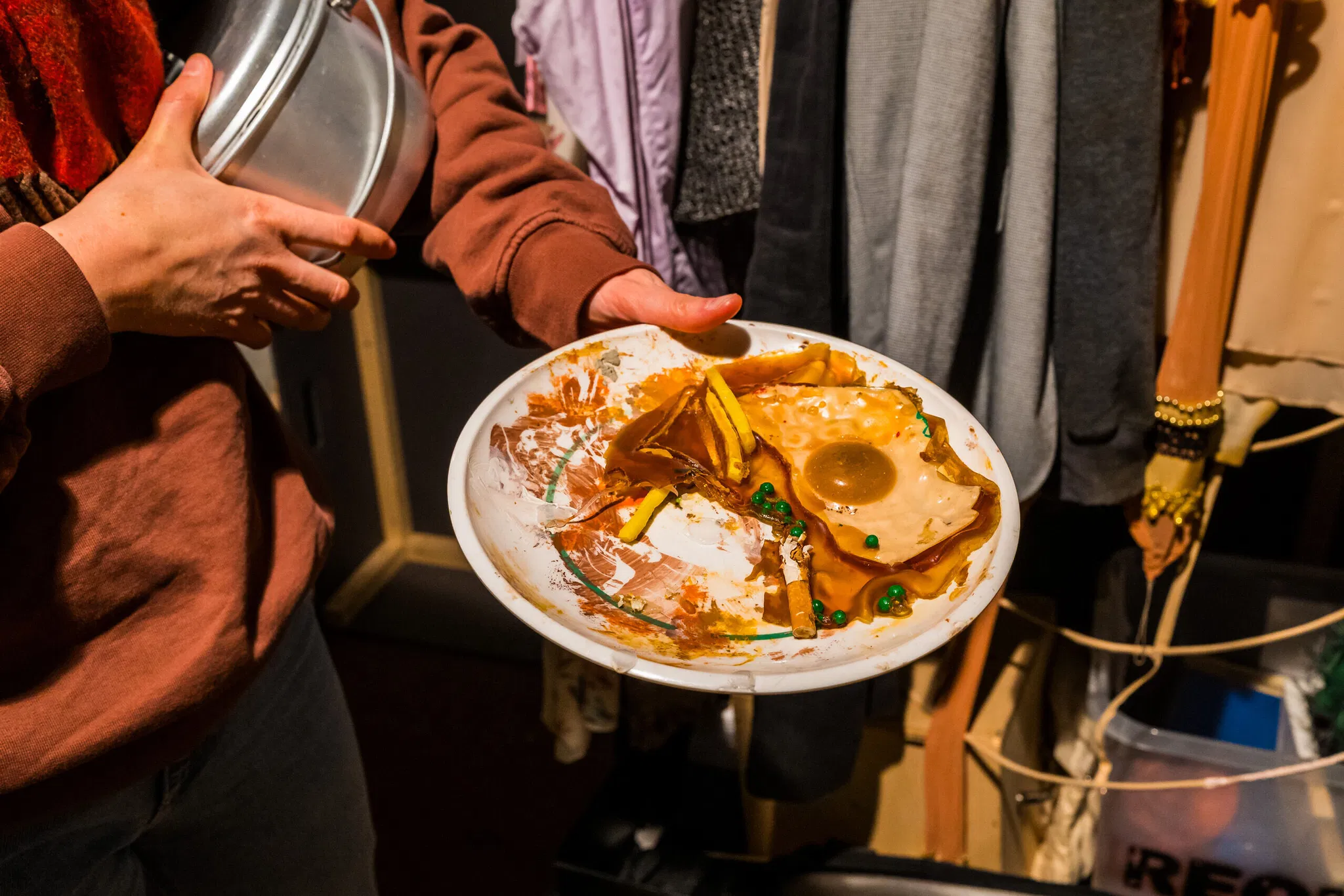
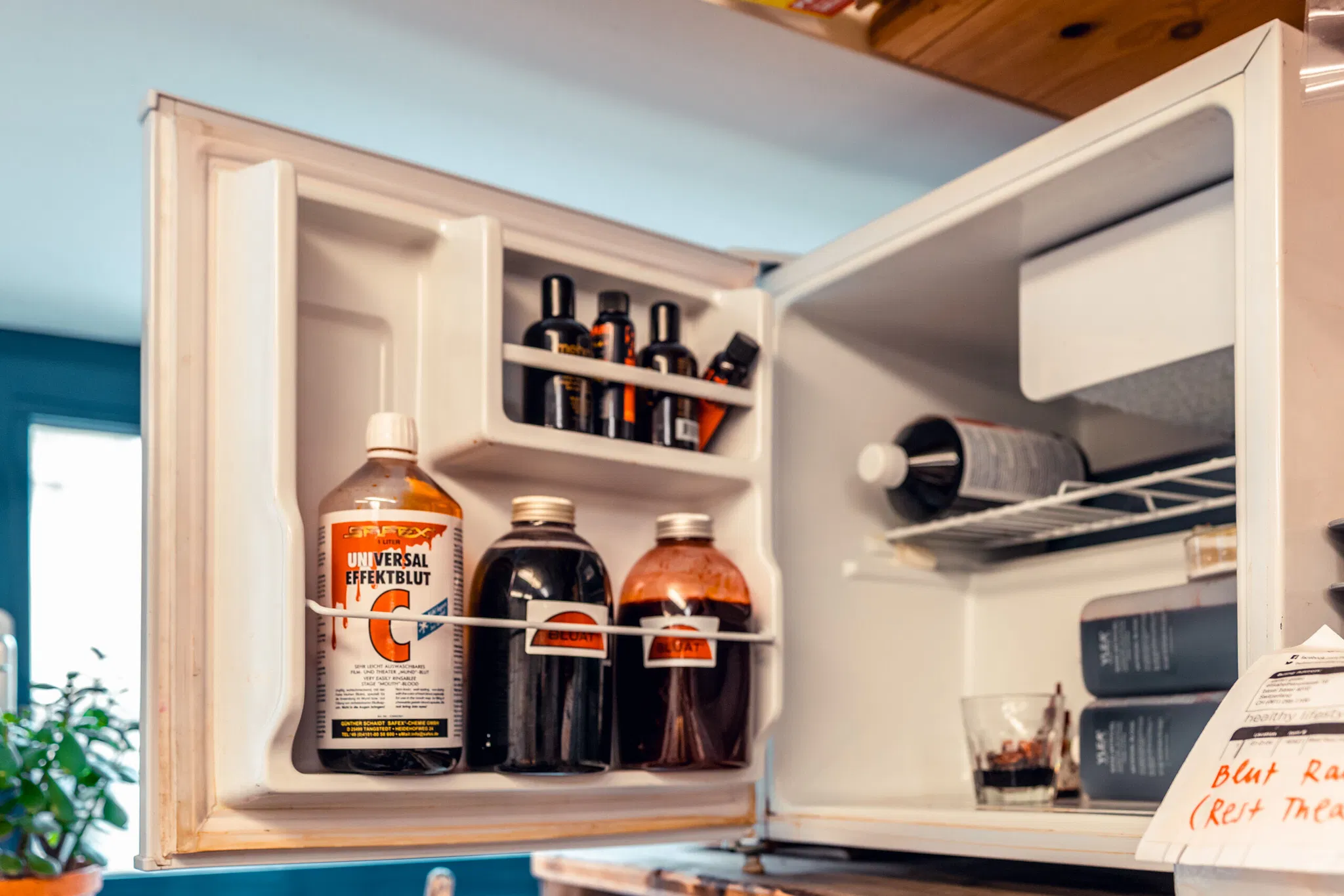
We start making our way back upstairs again. Past the members of staff busy rolling out a dance floor in the corridor. Anja shows me the artificial snow, also known as “Hollywood snow”. In fact, it is shreds of plastic that look as though someone has ripped up some cheap, flimsy plastic bags: “When it snows in a theatre piece, the audience starts to feel cold even though the temperature hasn’t changed at all,” Anja explains. “And that is precisely what makes the theatre so special: you are suspended in a transient world, somewhere between fiction and reality. Hardly anything is real here. But everything looks real.” The soiled dress, the vomit stains on a shirt – all artificial, appliqued to the fabric. The corpse in the cellar – made of silicone. The fried egg on the plate – papier-mâché. “Universal fake blood” is stored in the fridge in the props office. It smells like peppermint sirup, which takes a little getting used to, and is drinkable. The wardrobe contains a collection of thousands of costumes from every era, in every colour and for every theme. More wedding dresses than you can imagine. If something does not exist yet, the costumers design it and it is then created in the tailor’s workshop. The narrow corridors are full of stuff, the walls full of ideas; there is nothing you cannot find here, nothing that cannot be created.
The dance troupe trains below ground while new plays are being rehearsed on the stages; meanwhile on the 9th floor the make-up artists are discussing the perfect look for the next production and on the 12th floor the singers are practicing their scores. The only peaceful corners are the orchestra pit and the artists’ dressing rooms. The screen in the common room displays nothing but a darkened stage. It is in the evening that the emotions here will start to erupt, perfectly painted faces and costumes but sweaty hands; nerves before the performance followed by a burst of relief afterwards.
It is a huge, multifaceted, and slightly crazy world, which comes together in concentrated form on the stage each evening to the delight of the audience. A magical world of entertainment in the middle of the city, designed solely to astound, to make people reflect, laugh, cry and dream. At the end of our journey through the endless stairways and corridors, tunnels, workshops, and studios, as we pass by the dance hall and the rehearsal stages, between the clothes racks and the props, through the bunker and back to where we started, Anja says: “Well now you’ve seen about a quarter of the whole thing.”
Basel Theatre
As Switzerland’s largest tripartite theatre, the ‘Theater Basel’ presents a repertoire of three disciplines: opera, theatre, and ballet on three stages – around 600 performances of 25 new productions each season. The ‘Theater Public’ was initiated during the 22/23 season, including the ‘Foyer Public’ project, to provide a space open to the general public inside the theatre. Benedikt von Peter is the theatre’s current artistic director.
The distinctive building with its huge suspended roof in concrete was constructed between 1960 and 1973 according to plans by the architectural office of Schwarz & Gutmann. It extends from the theatre square to the pyramid square, beneath the skylights of which lies the theatre’s subterranean paint shop. The roof spans 60 metres and it weighs 1,000 tons. The Tinguely fountains in front of the main entrance mark the position of the old theatre, which was blown up in 1975.