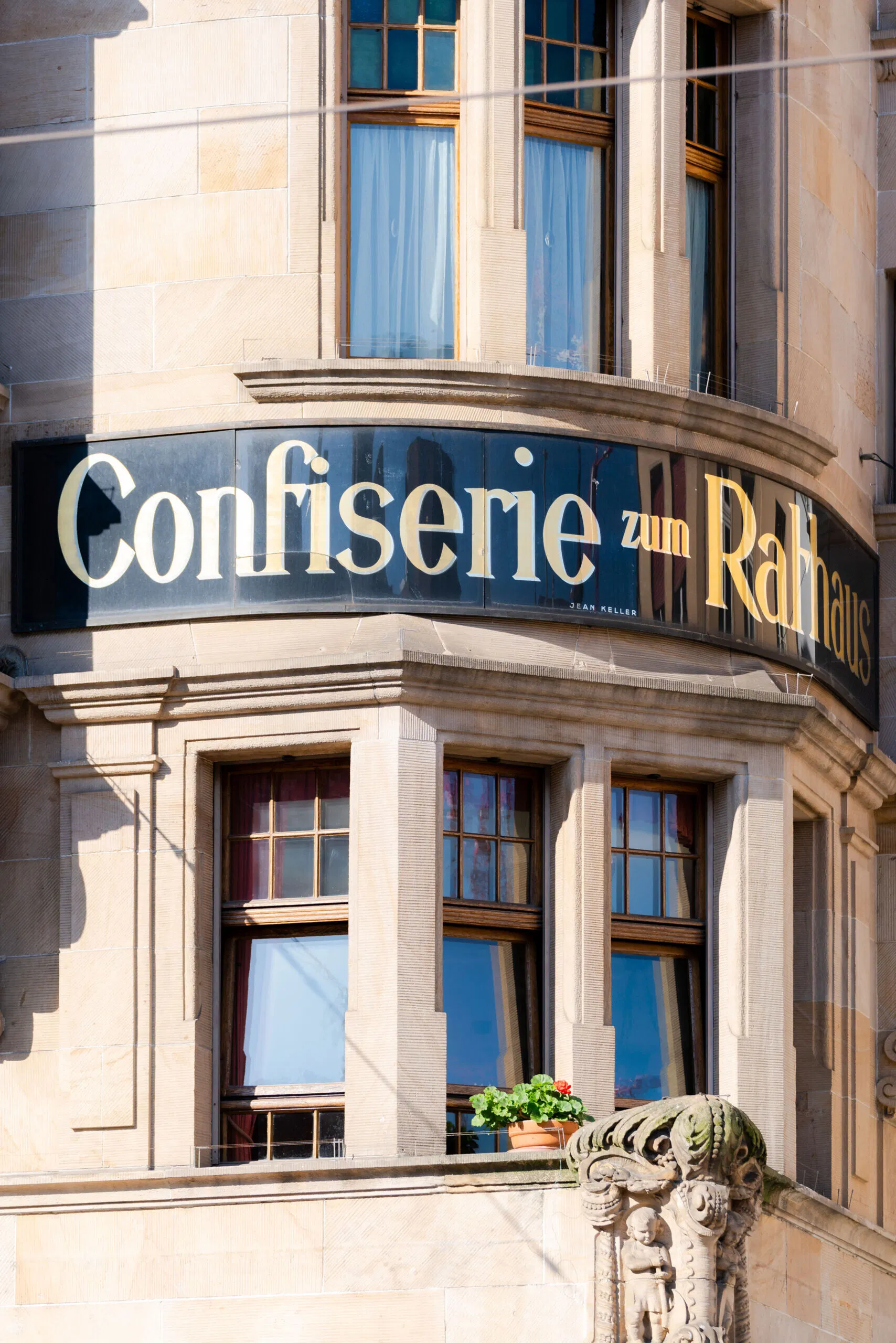
Patisserie and Leckerly were embossed in large letter on house number 15 at the marketplace. Rudolf Schiesser, from Glarus, bought the building in 1873, three years after completing his apprenticeship as a master confectioner in St. Gallen. He could envisage no future for himself in the east of Switzerland, so at the age of just twenty-three he left his home for Basel. Here, the confectioner sold Glarus pasties and soon started making Läckerli too – an absolute luxury at that time because the spices and honey were so expensive.
This was when the River Birsig still flowed out in the open through town and all the waste from private households and the nearby slaughterhouse was thrown directly into the open sewers. One can only imagine how it stank in the alleys around the market square in those days. In any case: inside Rudolf Schiesser’s confectionery shop it smelt like heaven. Of cinnamon, sugar and almonds
The transformation of the marketplace around 1900 finally meant it was possible to take a relaxed stroll through the city centre – the stinking stretch of water disappeared underground. It is therefore no wonder that other temples of pleasure were soon established nearby: the Café Spillmann opened in 1914, followed shortly afterwards by the Café Singer. The Schiesser family extended their shop in 1915 with the guild room and the tearoom. From then on, gentlemen gathered in the dusky room known as the ‘Rathstübli’ to discuss politics and smoke cigars. While in the brightly lit tearoom, ladies enjoyed their coffee with a glass of liqueur to improve their good humour.
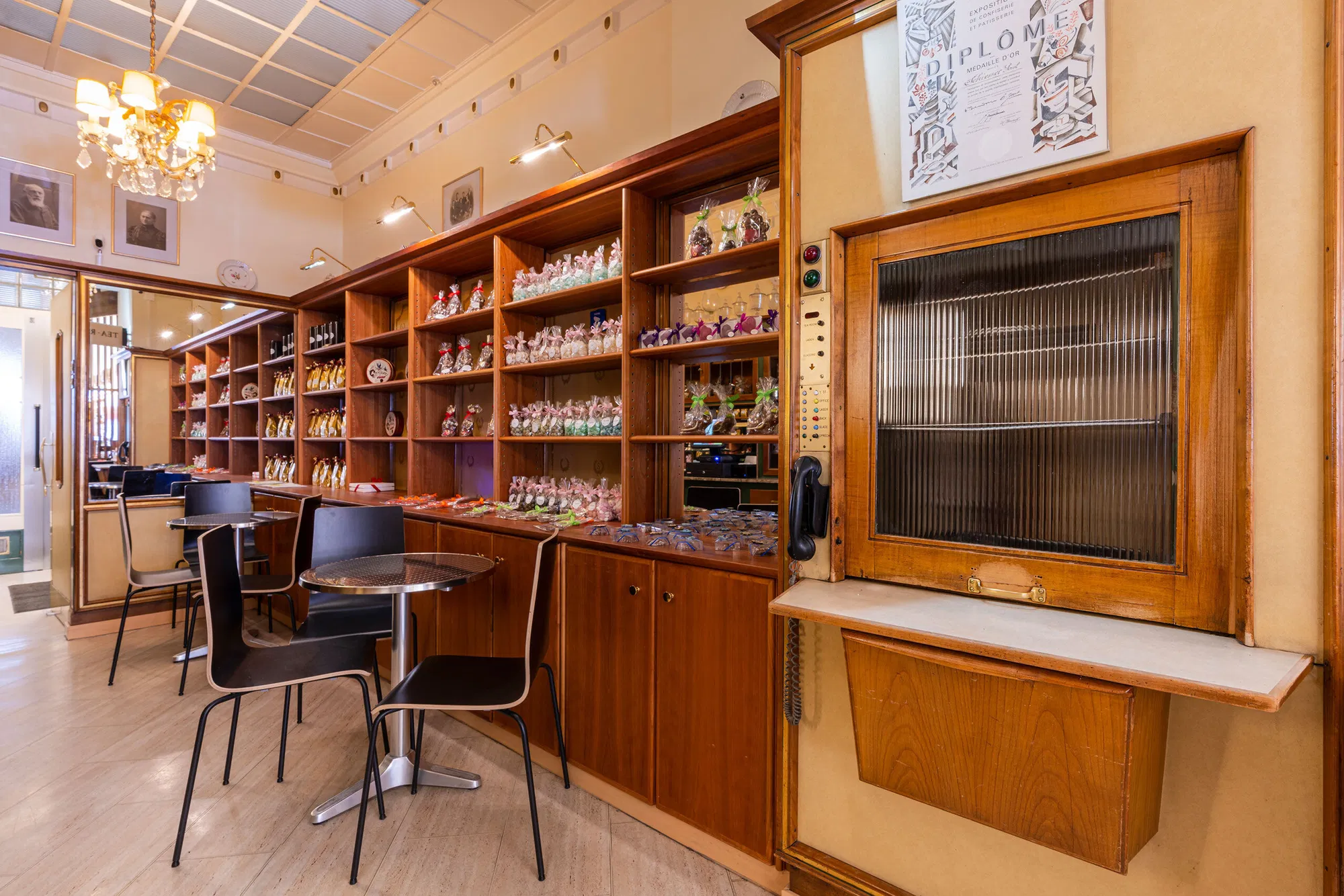
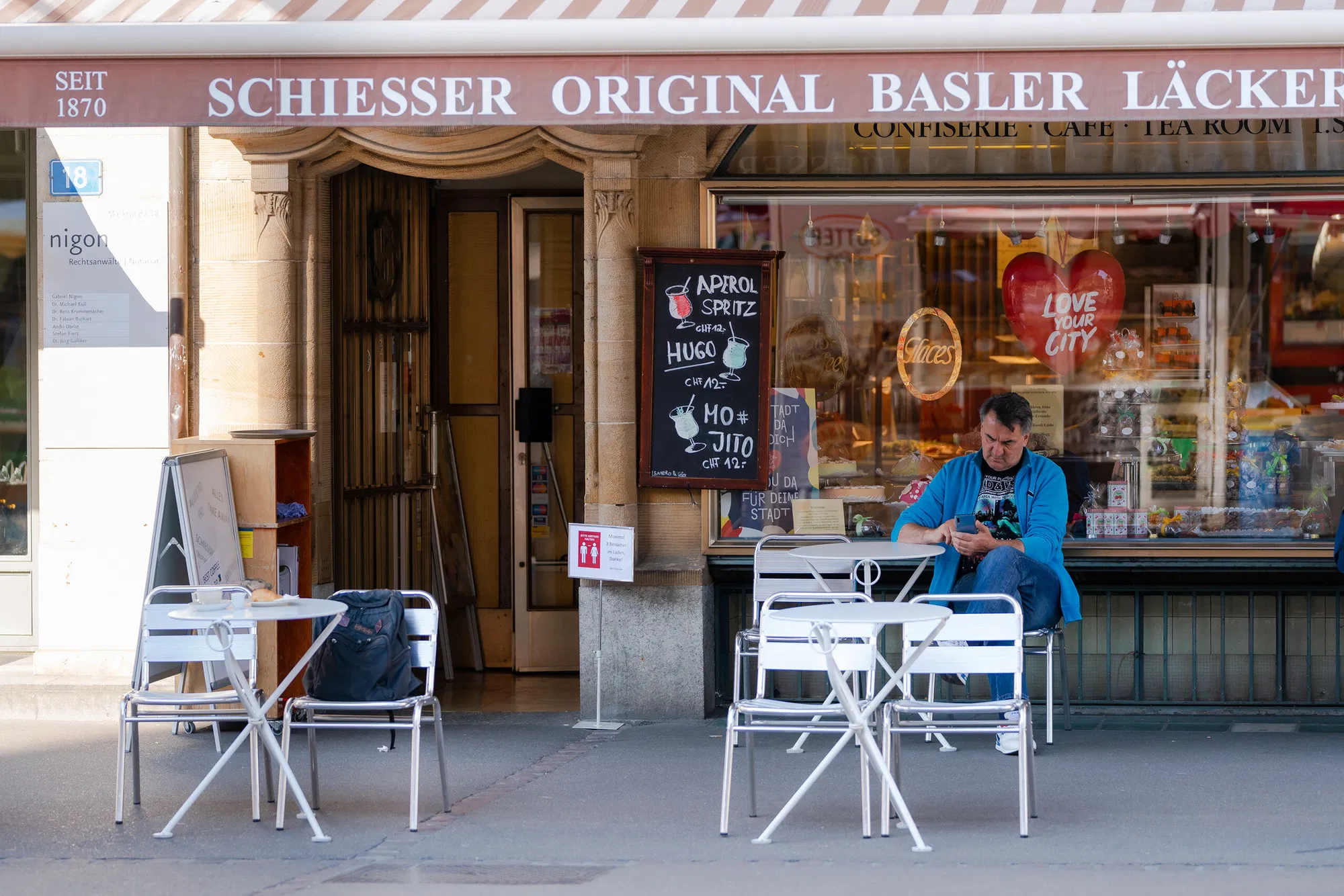
That was all a long time ago. In the meantime, “Schiesser” has become an institution in Basel. A synonym for luxurious culture. A parlour of sweet bliss. Coffee, pralines and Kirschstängeli are served here by amicable waiting staff in white aprons. You sit at tables, on chairs and beneath lamps that were already standing or hanging here a hundred years ago – finely restored of course. It all seems appealingly old-fashioned, and that is the intention. After all, tradition is a part of Schiesser’s success. A success story which, according to Stephan Schiesser, Rudolf’s great grandson, is all thanks to one person: Rosie, his wife.
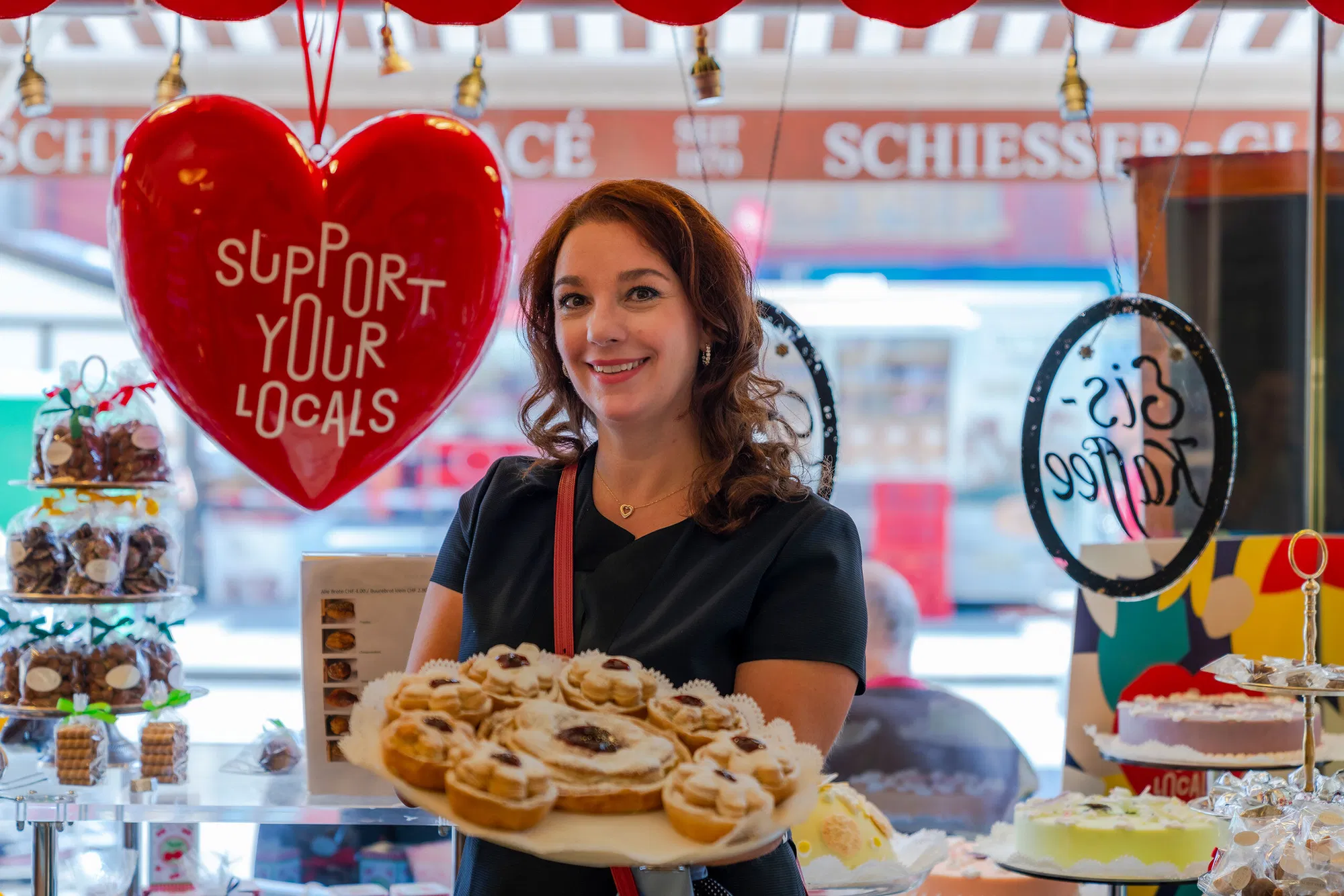
But then if we ask her, she replies with sparkling eyes: “Well clearly, our secret is Stephan. Without him we wouldn’t be here today.” The two of them are in love. With each other and their work. And the work requires dedication. Because at the end of the day their success comes down to that one element: work. They are both here seven days a week, available to deal with any wishes and questions. Marketing, staffing, bookkeeping; Stephan und Rosalba Schiesser do everything themselves. And there is a lot to do, keeping the charm of the place alive, making the confectioner’s shop a place suspended from the passage of time. A place to consciously slow down, a place for nostalgia.
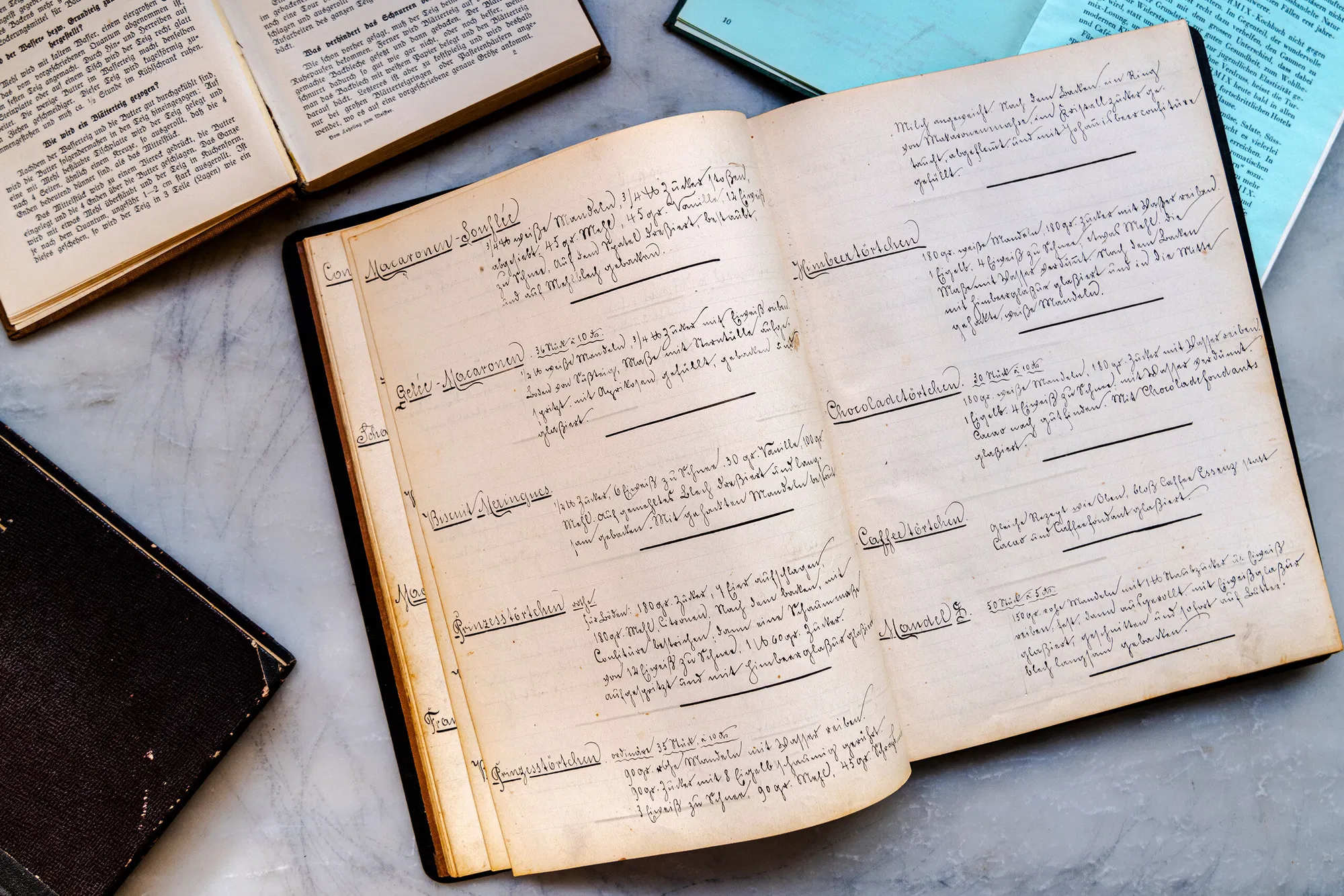
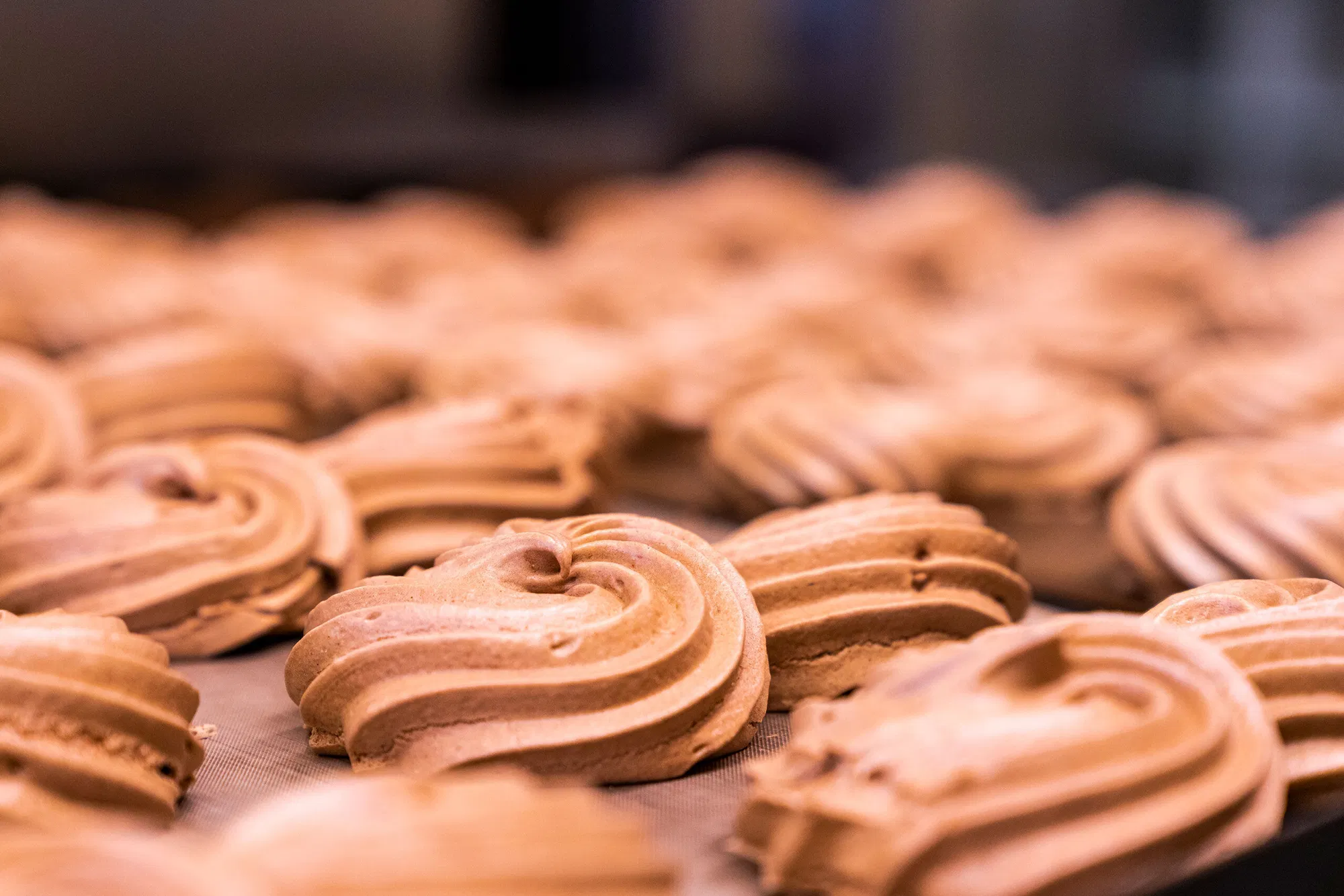
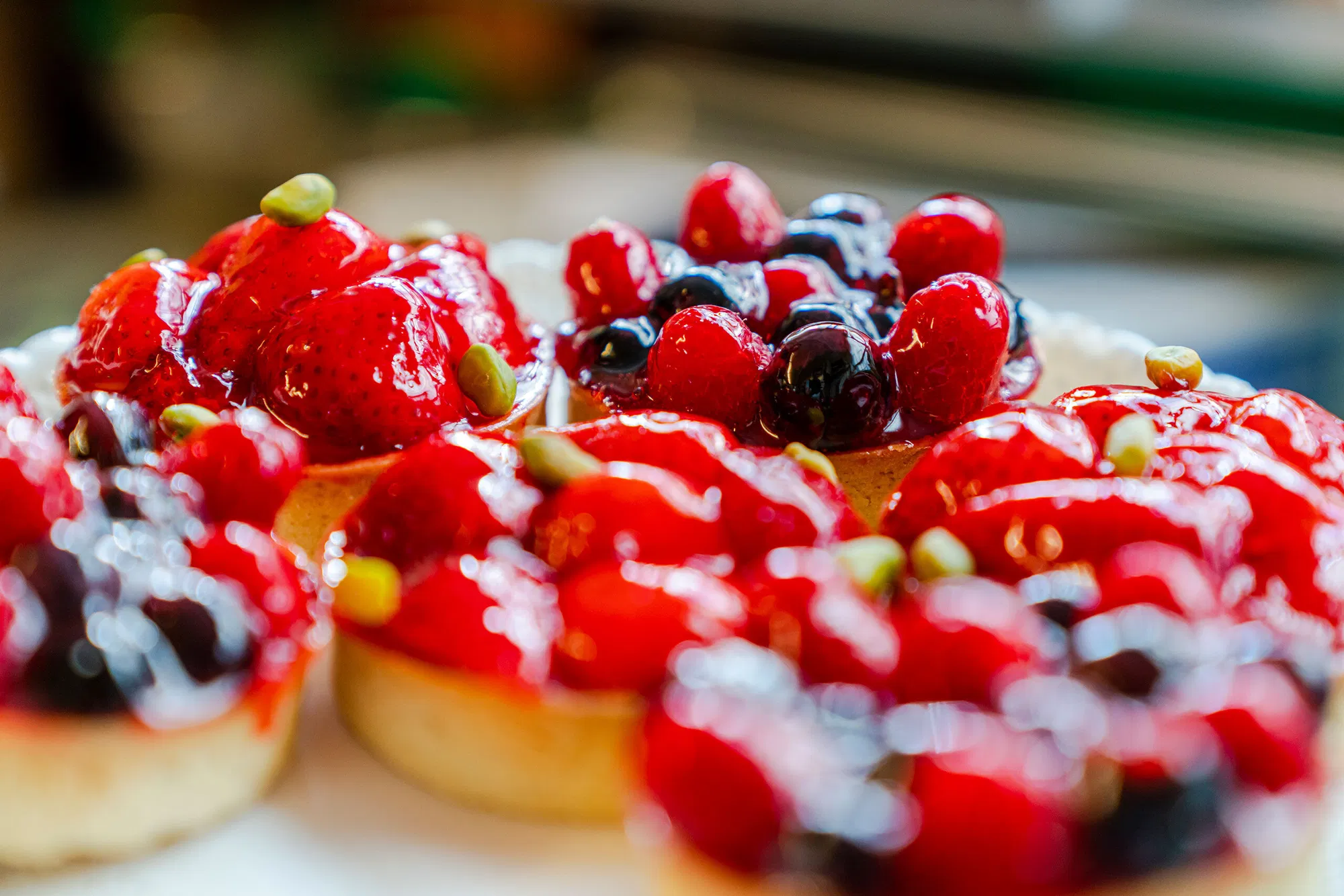
But in the course of all this, the company has experienced hard times too: the Spanish flu, the Great Depression, war. If there were no almonds to be had, they used apricot stones to bake with. “The almond tartlets probably gave some of our customers a bit of a stomachache at that time, because apricot stones contain rather a lot of cyanide...”, says Stephan Schiesser with a grin. The confectioner still has all the handwritten recipes from the old days and knows everything that was pressed into service in the recipes when times were desperate. Apricot stones are no longer used in the pastries even in an emergency situation. Nevertheless: “The current economic circumstances are presenting us with some serious challenges”, says Rosalba Schiesser. And all of this in the year of their 150th anniversary. Bother!
But there’s no such thing as giving up. Tradition obligates but it’s an incentive too. “Our goal is to be able to hand the business down to our children one day. They are only nine and twelve years old, but they are already showing a great deal of interest”, explains Stephan Schiesser. As a boy, he too enjoyed being in the bakery and was delighted to take over the legacy of his forefathers. He has retained the passion for his profession to this day. It is thanks to him and his wife Rosalba, the daughter of a family who emigrated to Switzerland from Southern Italy, that the Confiserie Schiesser continues to be run with the same great care and sustainability.
You might well think that the potential for conflict is pretty high when you work with your spouse day in, day out. But that is not so with Stephan and Rosalba Schiesser. In fact, the opposite appears to be the case. When they talk about the early days when they were falling in love and the turbulence it caused, they have to laugh so much that the coffee cups on the wooden table in the tearoom begin to clatter softly.
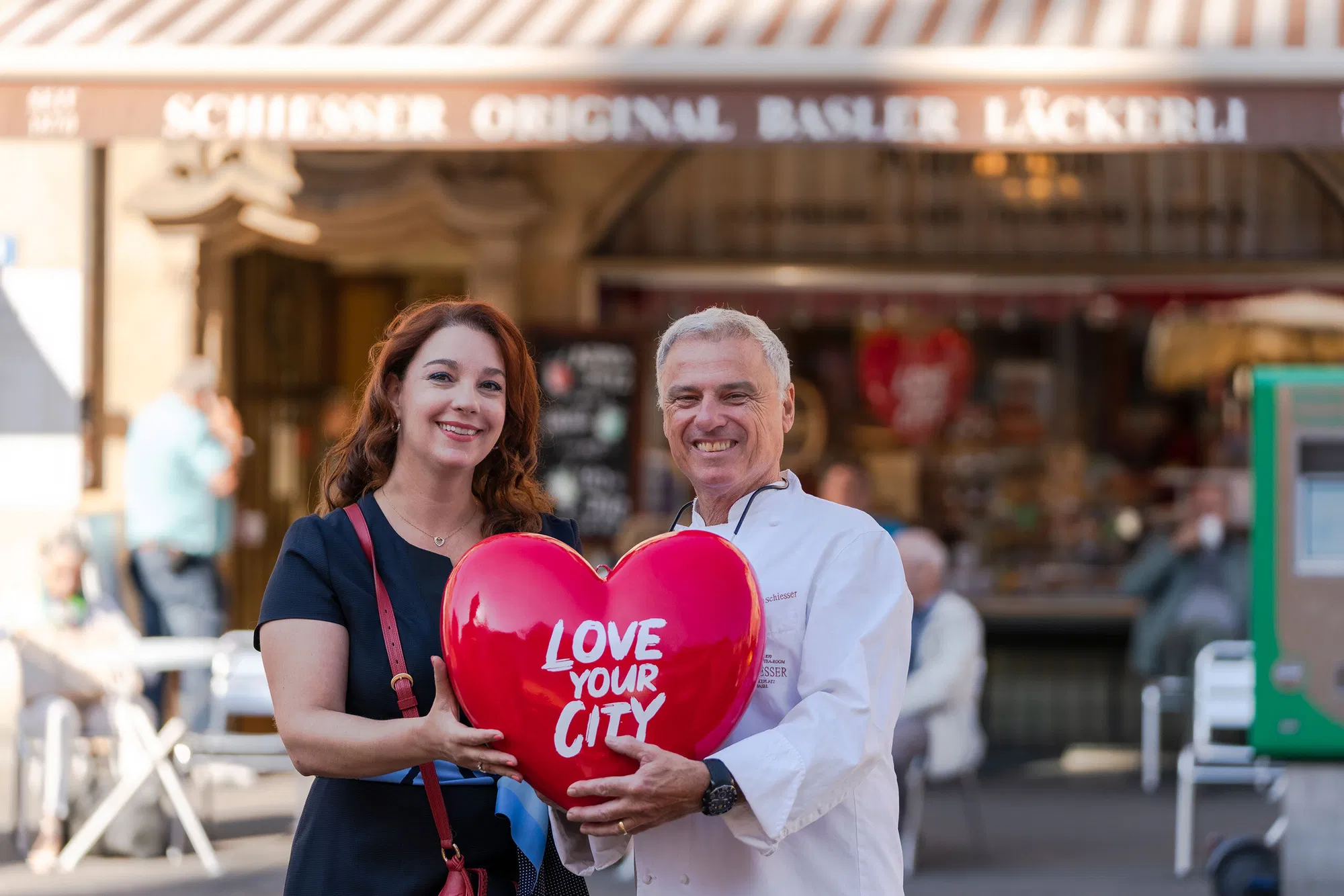
What was that about the secret of success again? Location? Quality? Sustainability? Hard work? All that too. But without love, nothing in life works.