The figures are horrendous: An estimated 150 million tonnes of plastic are currently floating around in the world’s oceans and seas. Each year an additional 10 million tonnes join them. A catastrophe for marine ecosystems; worldwide, more than 800 marine species are affected by the problem of plastic waste in the sea; pollutants contaminate the ocean; waste piles up on the world’s most beautiful beaches.
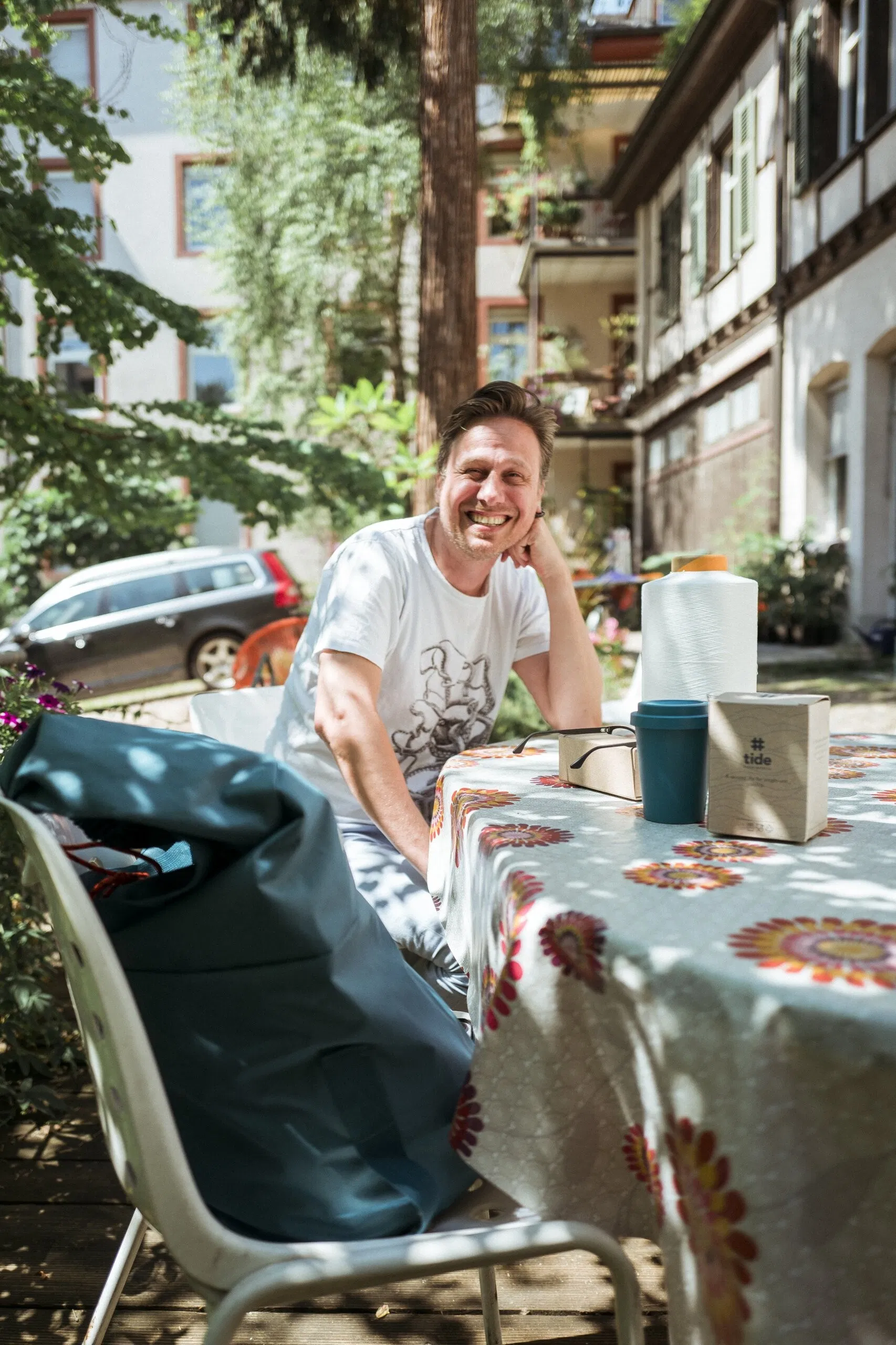
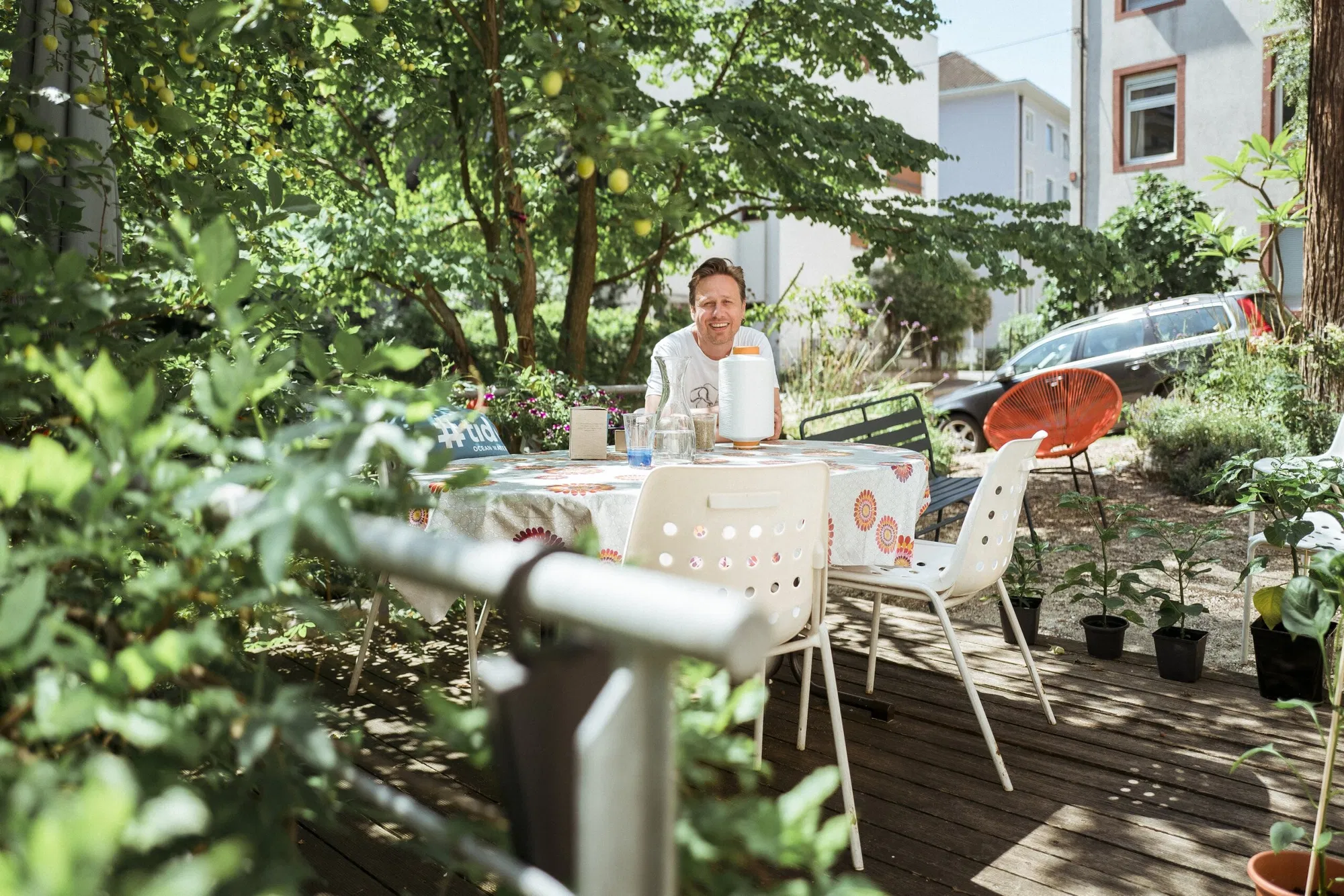
In 2019, two ingenious gentlemen set themselves the task of facing up to this catastrophe. Thomas Schori and Marc Krebs, brothers-in-law, neither of them an environmental engineer or even a scientist; but they are both endowed with a healthy dose of enthusiasm and audacity. Their idea: you should recycle plastic from the oceans and then bring it back into circulation. That may sound simple – but what they are doing is trailblazing: the story of Tide Ocean.
A global problem has to be tackled with a global network.

Perseverance that led to success
How do you solve a global problem? “Well, first you ask the University of Applied Sciences in Rapperswil for advice”, grins Marc. “That is where all the Gyro Gearlooses of the world of plastic recycling are to be found! They said: Send us the waste, we’ll analyse it and work out a process to recycle the material.” And that’s what happened. The result: It is possible to recycle plastic recovered from the sea which has been contaminated with saltwater and UV rays. Tide Ocean SA was founded. Half a year later the pandemic brought the world to a standstill. Tide Ocean soldiered on. Refined their processes. Ran into problems. Never gave up.
“A global problem has to be tackled with a global network”, explains Marc. “That is time-consuming and strenuous.” There were months of tinkering, researching, networking and planning, but sometimes luck played in their favour too. Tide Ocean found a new recycling centre in Ranong, in Thailand. “They had tonnes of plastic and absolutely no idea what to do with it”, recalls Marc. “So Thailand became our first foothold.” Since then, the Philippines, Indonesia and Mexico have also joined. The aim: to collect plastic out of the sea from every continent and then recycle it. The Swiss technology and know-how have to be well-placed, all over the world
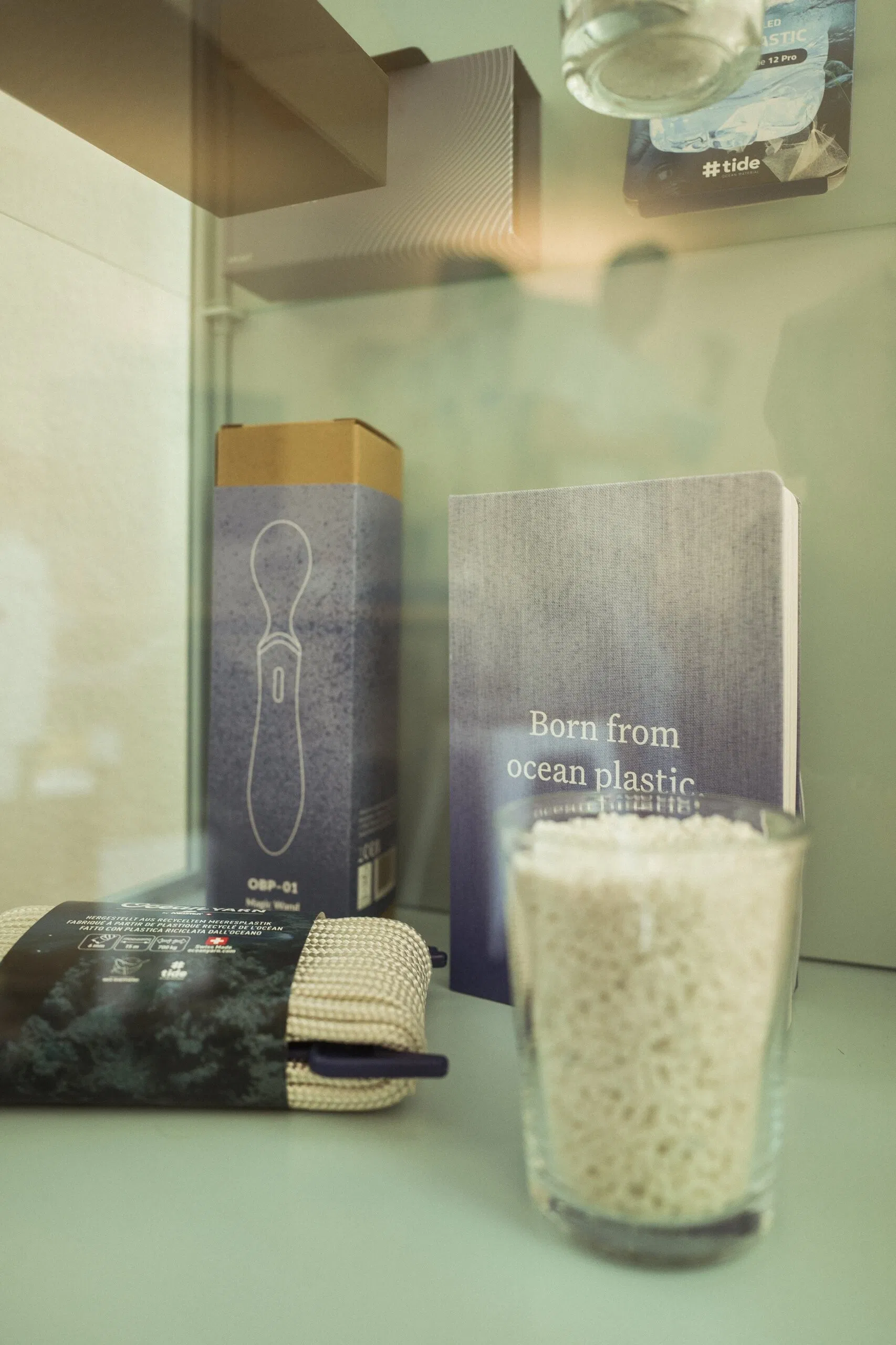
Tide Ocean counters the problem of a lack of infrastructure in developing nations with a waste management system that also has social value: For example, a fisherman who gathers up the plastic from his boat is paid per kilo, as though he were selling a kilo of fish. A workforce is also required for the sorting and separating process, and they are paid accordingly. In the final step, specialised recycling firms then process the marine plastic into a pure granulate, in accordance with #tide’s specifications
Every minute, another lorry-load of plastic waste lands in the sea.
Nothing seems impossible
The first products made of #tide ocean material® were developed for the watch industry. Pretty soon, prizes were raining down on the start-up. And ever since, they’ve been receiving enquiries from all over the world; recently even from Silicon Valley. Famous brands such as Hugo Boss, Tom Ford and Maurice Lacroix are already collaborating with Tide Ocean. And the Coop and Migros want to switch to sustainable plastic in future as well. “We currently have around 100 projects running”, says Marc, not without pride. Fashion, electronics, household goods and the building industry; there are almost no limits to how the recycled granulate, or polyester, can be used. “Actually, there is almost no need for the synthesis of new plastics, because there is absolutely no shortage of raw material for our process”, clarifies Marc.
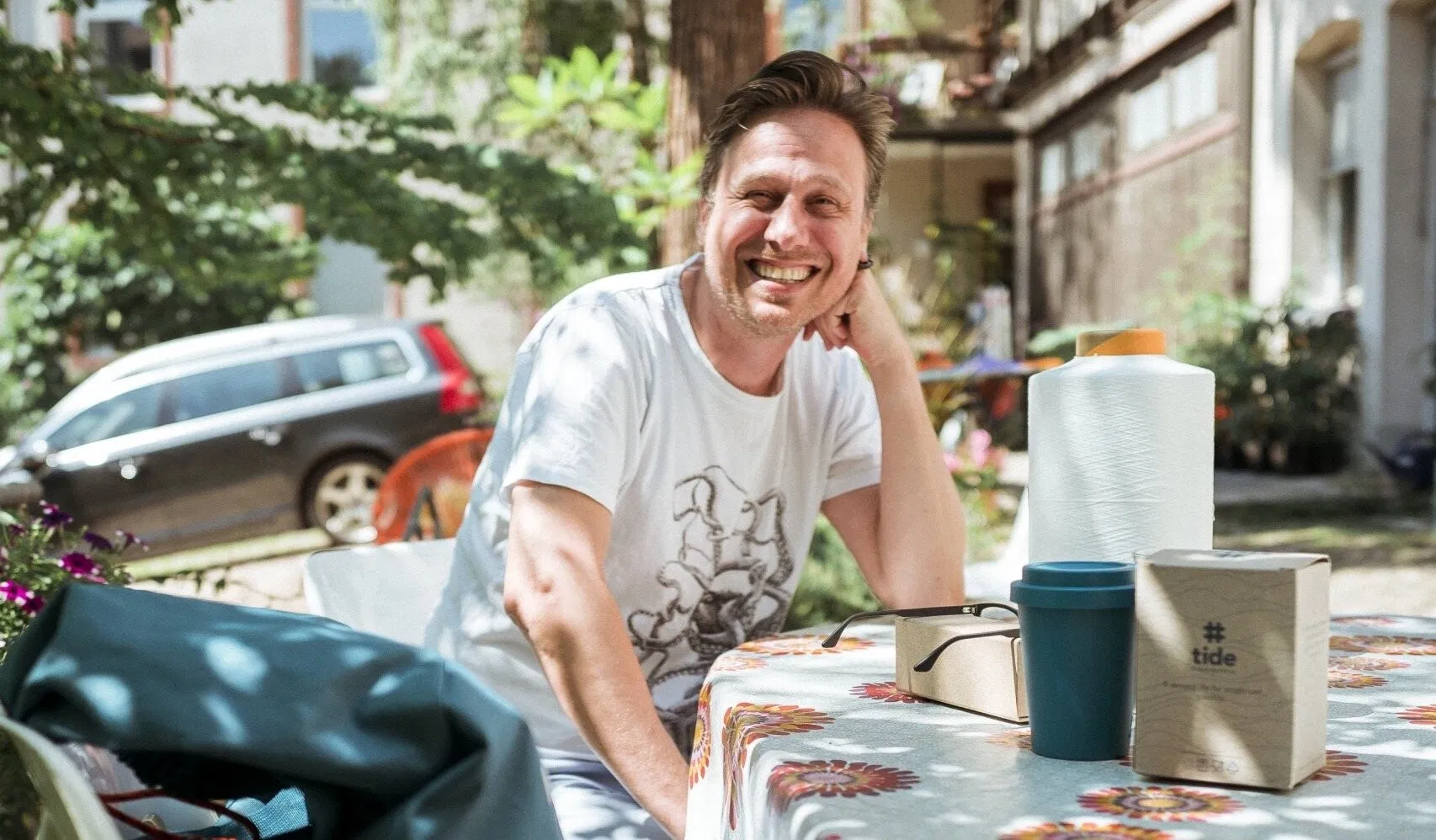
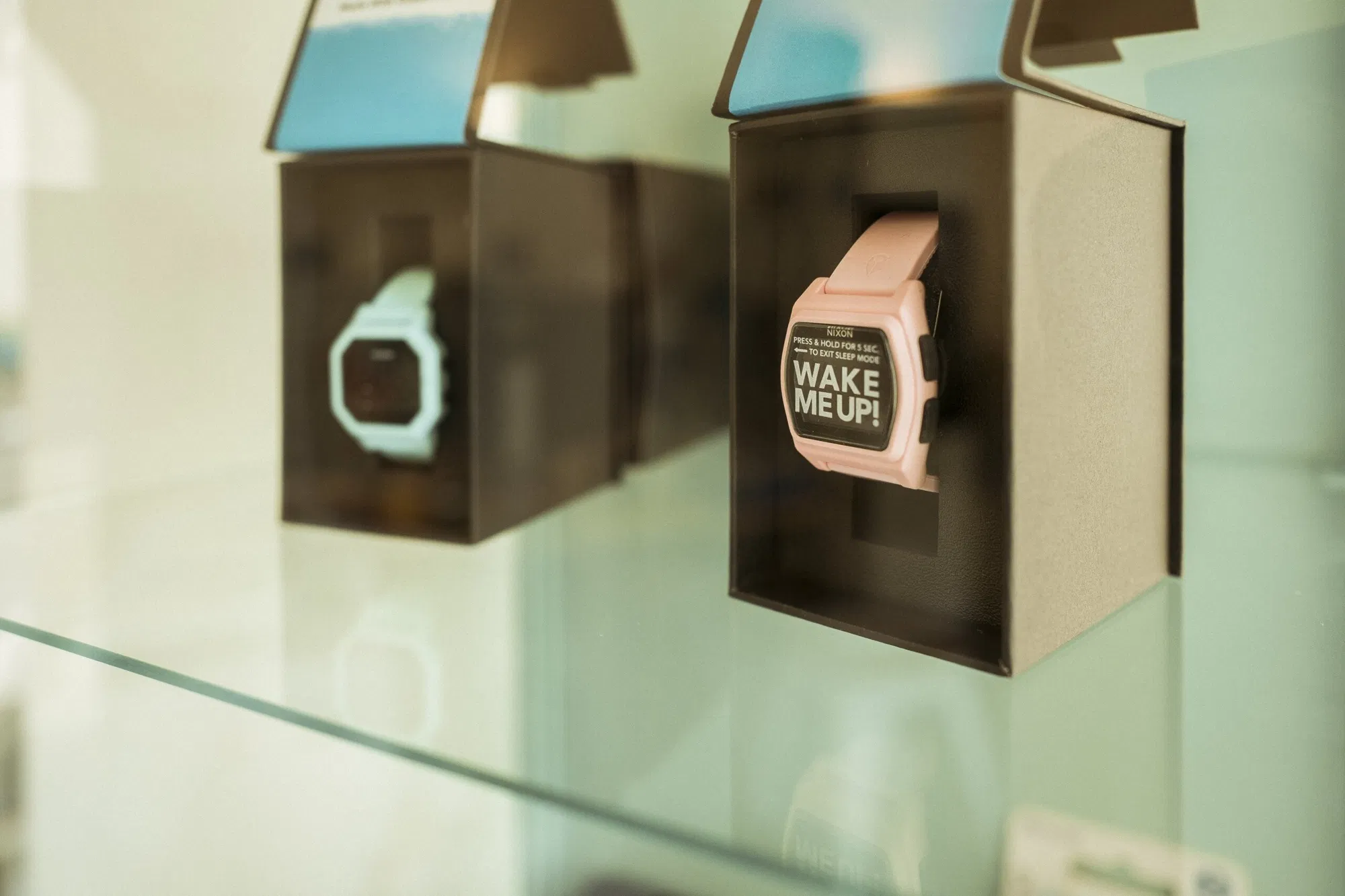
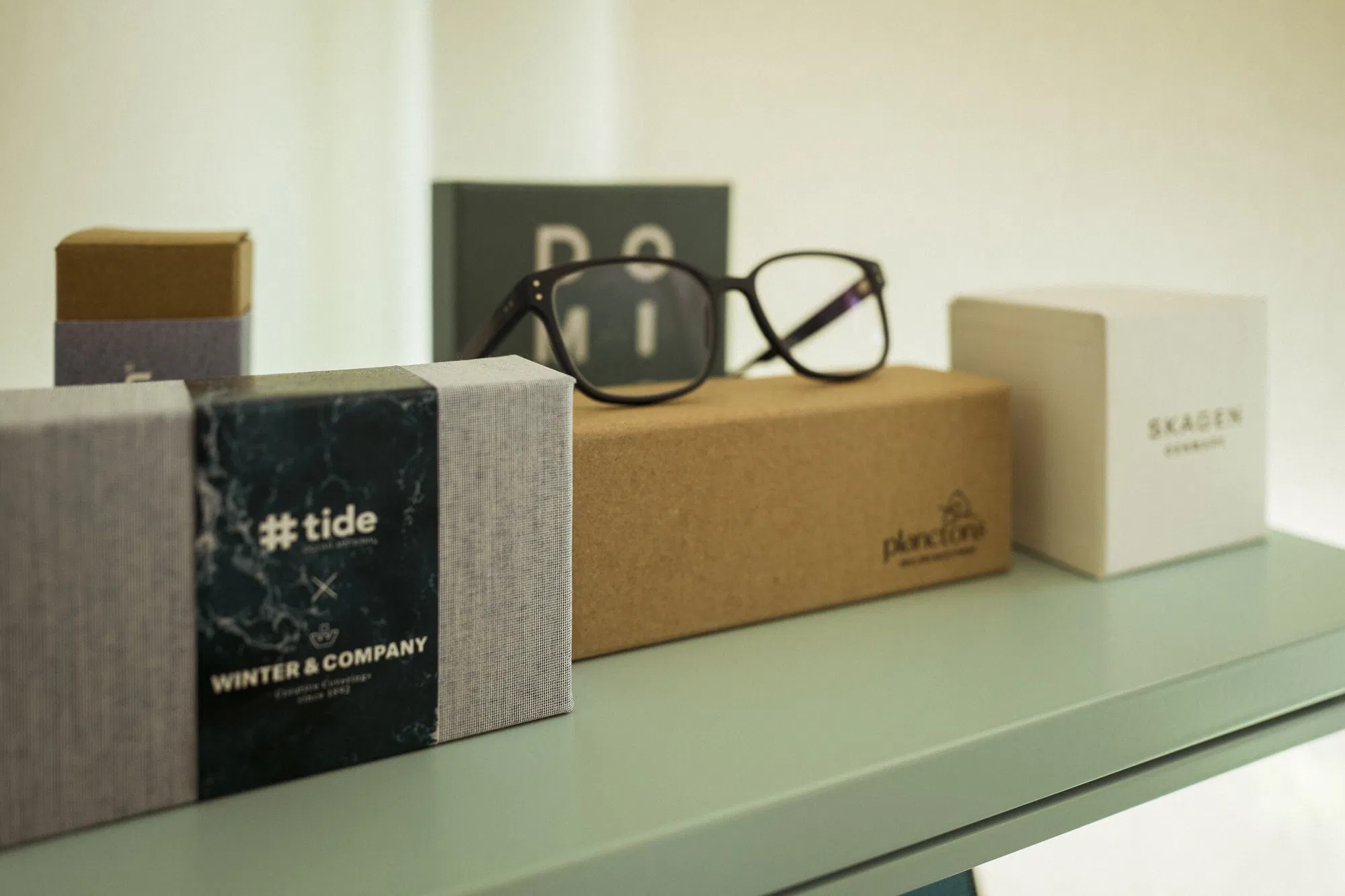
In just two years, Tide Ocean has breathed new life into around 30 million PET bottles recovered from the sea. That’s the equivalent of hundreds of thousands of kilograms. “That’s nothing”, says Marc. “Every minute, another lorry-load of plastic waste lands in the sea! We want to recycle twice as much this year – we are only just starting.” Marc is modest. In their headquarters at the Maiengasse 30, several employees are already sitting at their computers. The young company has 14 employees and dozens of fishermen all over the world working for them. But Marc Krebs and Thomas Schori want more. “The Maiengasse should be renamed Ocean Avenue”, grins Marc. The road-sign to mark the transformation is already hanging next to the front door.